


Traveling Water Screen
In industrial water intake systems, the traveling water screen (TWS) serves as the primary mechanical barrier against debris, protecting downstream equipment such as pumps, condensers, and heat exchangers. These systems are essential for facilities that draw large volumes of water from natural sources like rivers, lakes, or oceans. For engineers and facility managers, understanding the technical nuances of traveling water screen design, material selection, and filtration efficiency is critical to ensuring operational continuity and reducing the total cost of ownership.
As a specialized manufacturer of stainless steel filtration components, Kaifil provides the precision-engineered wire mesh and filter elements that form the heart of these screening systems. Detailed information on our manufacturing capabilities and broader industrial filtration solutions can be found on our Main Page.
Fundamentals of Traveling Water Screen Systems
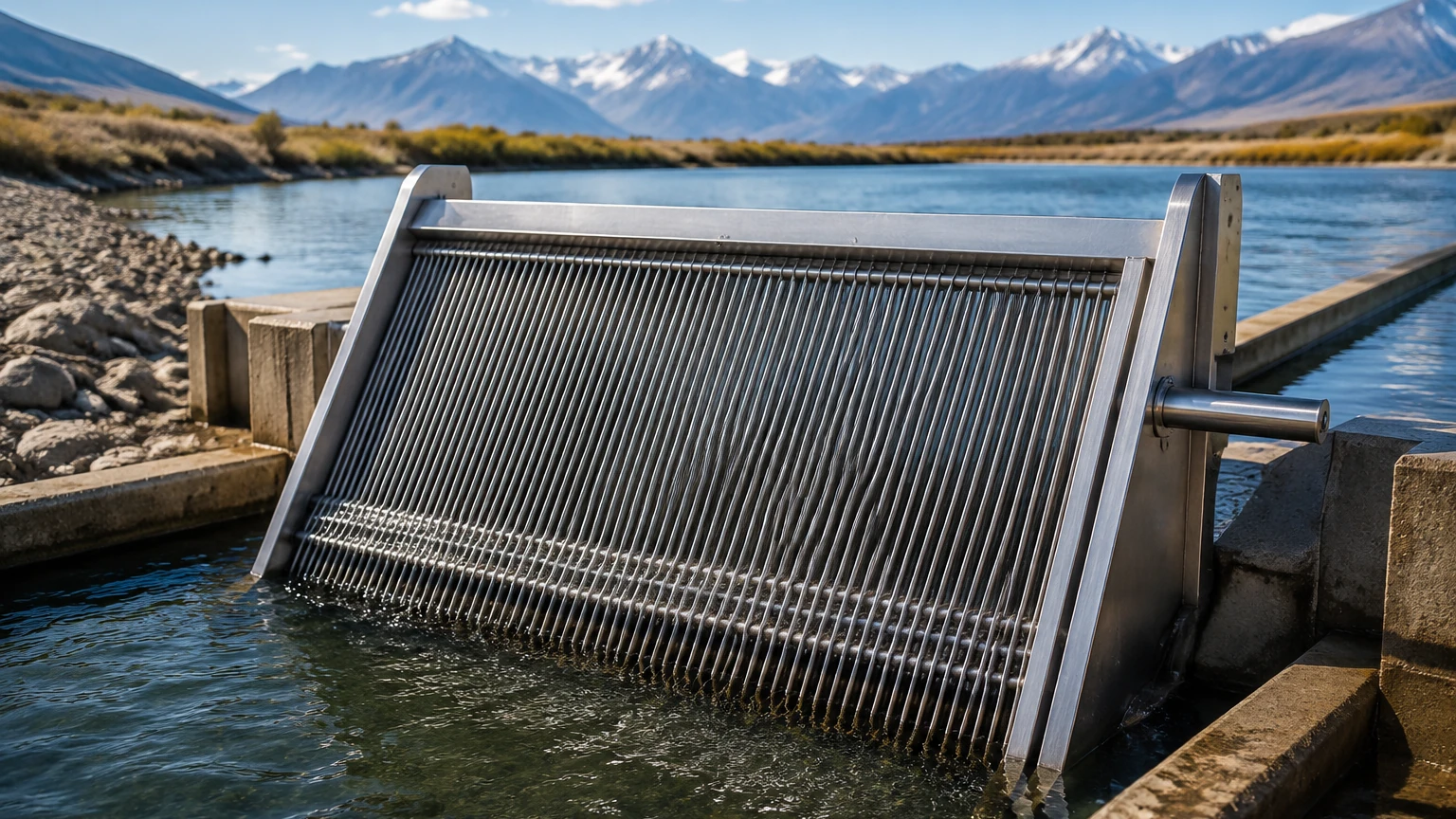
A traveling water screen is a continuous, automated filtration system designed to remove suspended solids from an incoming water stream. Unlike static bar screens, which require manual or separate mechanical raking, a TWS utilizes a series of screen panels or baskets attached to a heavy-duty chain drive. These panels rotate through the water column, capturing debris and lifting it to a discharge point above the water level.
The system typically operates in several stages:
1. Screening Phase: The water passes through the submerged mesh panels. Debris larger than the mesh aperture is trapped on the upstream side.
2. Ascending Phase: The drive motor moves the chain, lifting the debris-laden panels out of the water.
3. Cleaning Phase: At the top of the rotation, high-pressure spray headers wash the debris off the mesh into a collection trough.
4. Descending Phase: The cleaned panels return to the water to begin the cycle again.
This continuous cleaning cycle prevents the significant head loss associated with stationary screens and allows for the handling of high debris loads without manual intervention.
Engineering Specifications for Screen Mesh and Baskets
The performance of a traveling water screen is largely dictated by the specifications of the screen mesh panels. Engineering teams must balance the need for fine filtration with the requirement for high flow rates and structural integrity.
Aperture Size and Open Area
Selecting the correct aperture size is a trade-off between filtration precision and hydraulic capacity. A smaller mesh size captures finer particles but increases the resistance to flow (head loss). Engineers must calculate the "percentage of open area" to ensure the screen can handle the maximum design flow of the intake system without causing excessive drawdown. For many industrial applications, stainless steel wire mesh provides a superior strength-to-weight ratio, allowing for thinner wires and larger open areas compared to synthetic alternatives.
Wire Diameter and Weave Type
The durability of the mesh depends on the wire diameter and the weave pattern. In high-velocity intake environments, the mesh is subject to constant hydraulic pressure and mechanical stress during the cleaning cycle. Common weave types include plain square weaves for standard debris and specialized crimped weaves for increased rigidity. The wire diameter must be sufficient to resist impact from heavy debris, such as logs or ice, while maintaining the intended filtration rating.
Material Selection for Harsh Intake Environments
Because traveling water screens are permanently submerged or exposed to splash zones, material selection is the most critical factor in preventing premature failure. Corrosion, erosion, and biofouling are constant threats in water intake applications.
Stainless Steel Grades
Stainless steel is the industry standard for TWS components due to its mechanical strength and corrosion resistance.
* Grade 304: Suitable for freshwater applications with low chloride levels. It offers excellent structural integrity and is cost-effective for inland river or lake intakes.
* Grade 316/316L: The preferred choice for brackish water or coastal environments. The addition of molybdenum provides enhanced resistance to pitting and crevice corrosion caused by chlorides.
* Duplex Stainless Steels: For highly aggressive seawater or high-temperature industrial effluents, duplex grades offer superior yield strength and exceptional resistance to stress corrosion cracking.
Biofouling Resistance
In many environments, the growth of algae, mussels, or barnacles can quickly blind a screen. While stainless steel does not have the inherent biocidal properties of copper-based alloys, its smooth surface finish can be optimized to reduce the adhesion of biological organisms, making the high-pressure wash cycle more effective.
Operational Efficiency and Hydraulic Performance
The hydraulic efficiency of a traveling water screen is measured by the head loss—the difference in water level between the upstream and downstream sides of the screen. High head loss indicates a clogged or undersized screen, which can lead to several operational risks:
1. Pump Cavitation: If the water level on the downstream side drops too low, pumps may experience cavitation, leading to catastrophic internal damage.
2. Structural Collapse: Excessive differential pressure can exert enough force to bend the screen baskets or snap the drive chains.
3. Increased Energy Consumption: Drive motors must work harder to move heavily laden screens, and pumps must compensate for the pressure drop.
To optimize performance, engineers often implement automated control systems that trigger the screen rotation based on differential pressure sensors. This ensures the screen only "travels" when necessary, reducing mechanical wear and energy usage.
Maintenance Strategies and Mesh Replacement
Even the most robust traveling water screen requires a structured maintenance program. The moving parts—chains, sprockets, and bearings—require regular lubrication and inspection. However, the mesh panels are the most common wear items.
Indicators for Mesh Replacement
* Mechanical Damage: Tears or punctures in the wire mesh allow debris to bypass the screen, potentially damaging downstream equipment.
* Corrosion/Thinning: Over time, even stainless steel can experience thinning due to erosion-corrosion, especially in water containing abrasive silts or sands.
* Frame Distortion: The baskets holding the mesh may warp over time, creating gaps between panels where debris can leak through.
When replacing mesh panels, it is vital to ensure that the replacement components meet or exceed the original OEM specifications. Custom-fabricated stainless steel mesh from specialized manufacturers like Kaifil ensures a precise fit and consistent filtration performance, preventing the bypass issues often seen with generic or poorly fitted replacements.
Environmental and Regulatory Considerations
In recent years, the design of the traveling water screen has evolved to meet stricter environmental regulations, particularly regarding fish protection. In the United States, Section 316(b) of the Clean Water Act requires cooling water intake structures to reflect the Best Technology Available (BTA) for minimizing adverse environmental impact.
Fish Handling and Recovery Systems (FHRS)
Modern TWS designs often incorporate "fish buckets" or troughs. These are specialized baskets designed to collect fish that are trapped against the screen and safely transport them to a dedicated return flume. These systems require specialized mesh that is smooth to the touch to prevent descaling or injury to the fish during the lifting and washing process.
Custom OEM Solutions for Water Intake Systems
Every water intake site has unique challenges, from the type of debris (e.g., seasonal leaf loading vs. constant plastic waste) to the chemistry of the water. Off-the-shelf solutions rarely provide the optimal balance of longevity and performance.
Kaifil specializes in the production of custom stainless steel filtration components tailored to these specific needs. Our engineering team works with TWS operators to develop mesh panels that feature:
* Reinforced Edges: To prevent fraying and ensure secure mounting to basket frames.
* Custom Apertures: Precision-calculated to meet specific flow and filtration requirements.
* High-Grade Alloys: Selected specifically for the site's water chemistry to maximize service life.
By focusing on the technical integrity of the filtration media, we help industrial facilities maintain continuous operation and protect their most expensive downstream assets. For a comprehensive look at our technical capabilities and product range, please visit our Main Page.
Conclusion
The traveling water screen is a critical component of industrial infrastructure, bridging the gap between raw water sources and sensitive process equipment. By prioritizing high-quality materials like stainless steel and adhering to rigorous engineering standards for mesh selection and hydraulic design, facilities can significantly improve their operational reliability. Whether upgrading an existing intake or designing a new system, understanding the interplay between debris loading, material science, and mechanical design is the key to a successful screening strategy.
