


Industriële Stofafzuiging
In modern industrial environments, the management of airborne particulates is not merely a matter of housekeeping but a critical engineering requirement. Industriële stofafzuiging, or industrial dust extraction, encompasses the technical systems designed to capture, convey, and filter dust and fumes generated during manufacturing processes. For engineers and procurement specialists, selecting the right filtration components is the most decisive factor in ensuring system longevity, regulatory compliance, and operational efficiency.
At the core of any high-performance industriële stofafzuiging system lies the filter media. While many standard applications utilize fabric or paper-based filters, demanding industrial environments—such as those involving high temperatures, corrosive chemicals, or stringent hygiene requirements—necessitate the use of robust metal filtration solutions. As a specialized manufacturer, Kaifil provides the precision-engineered stainless steel components required to maintain these systems in the most challenging conditions. Exploring the technical nuances of these components helps in making informed decisions for long-term industrial infrastructure.
The Engineering Principles of Dust Extraction
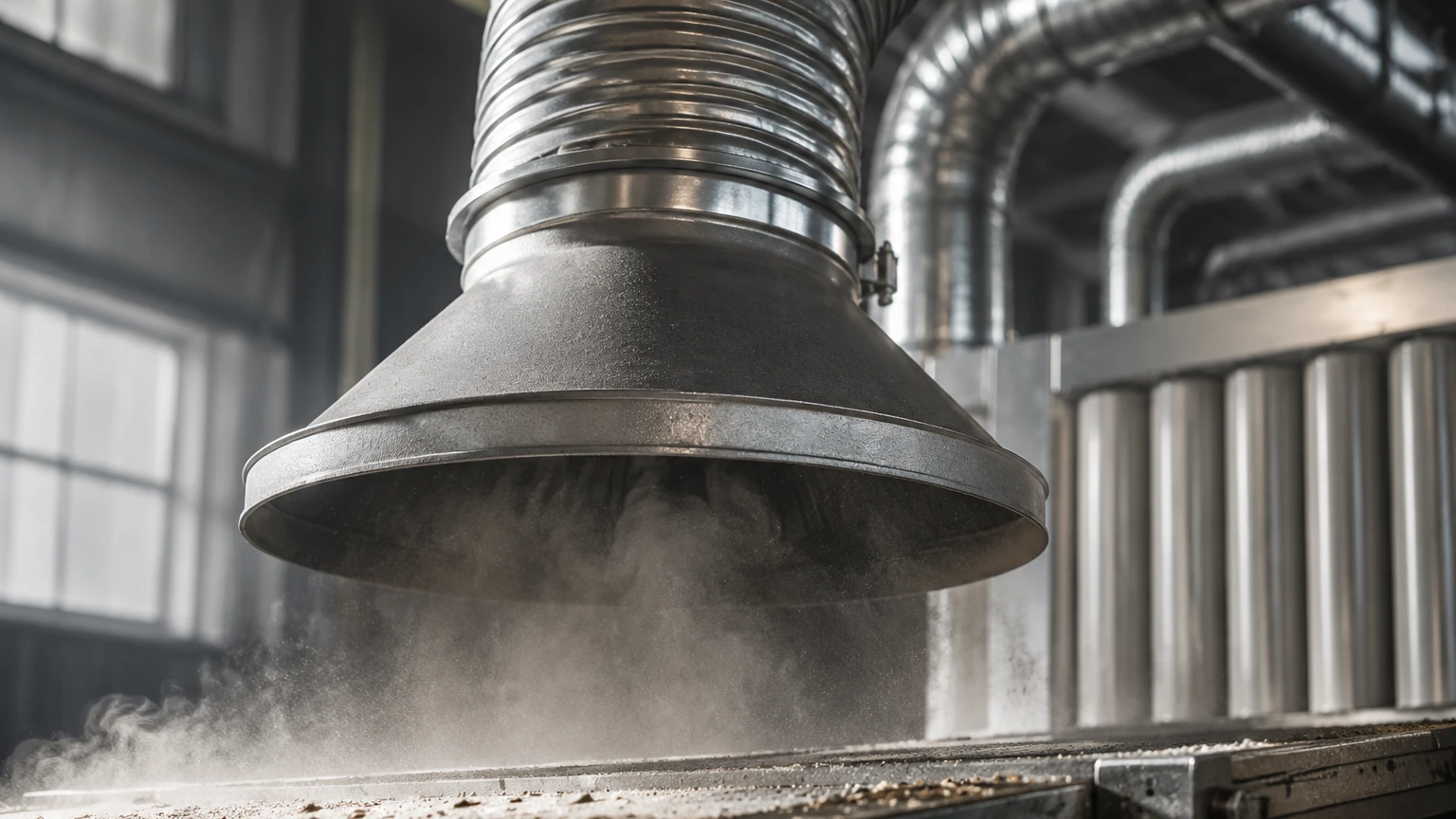
Effective industriële stofafzuiging relies on the balance of several physical variables: capture velocity, duct transport velocity, and filtration efficiency. Capture velocity refers to the speed of air required at the source to pull dust particles into the hood. Once captured, the air must move through the ductwork at a speed sufficient to prevent particles from settling, known as transport velocity.
The final and most critical stage is the separation of dust from the air stream. This is where the choice of filter media determines the success of the system. In many specialized sectors, such as chemical processing or metalworking, the dust particles may be abrasive, hot, or chemically reactive. Standard filters often fail under these stresses, leading to frequent downtime and increased replacement costs.
For comprehensive information on advanced filtration components that support these systems, engineers often refer to the Main Page of specialized manufacturers to evaluate material compatibility and structural designs.
Why Stainless Steel is Essential for Specialized Dust Extraction
In the context of industriële stofafzuiging, stainless steel filter cartridges and wire mesh components offer distinct advantages over synthetic alternatives. The selection of material is driven by the specific environmental conditions of the application.
Thermal Resistance
Many industrial processes, such as smelting, glass manufacturing, or certain chemical reactions, produce dust-laden air at temperatures exceeding 250°C. Synthetic fibers like polyester or aramid have thermal limits that, if exceeded, result in media melting or structural failure. Stainless steel 304 or 316L can withstand significantly higher temperatures without losing structural integrity, ensuring that the dust extraction system remains operational during thermal peaks.
Chemical Compatibility
Dust extraction in the pharmaceutical and chemical industries often involves exposure to acidic or alkaline vapors. Stainless steel provides superior resistance to corrosion, preventing the filter media from degrading and contaminating the process or allowing unfiltered air to bypass the system. This durability is essential for maintaining the "closed-loop" integrity required in hazardous environments.
Mechanical Strength and Durability
Abrasive dust, such as metal shavings or silica, can quickly erode softer filter materials. Stainless steel wire mesh filters are engineered to withstand the physical impact of high-velocity particles. Furthermore, the rigidity of metal cartridges allows them to handle high differential pressures without collapsing, a common failure point for pleated paper filters in heavy-duty industriële stofafzuiging setups.
Key Evaluation Criteria for Filter Selection
When specifying filters for an industrial dust extraction project, engineers must look beyond the initial purchase price and focus on technical performance metrics.
1. Micron Rating and Filtration Efficiency
The micron rating defines the size of particles the filter can capture. For industriële stofafzuiging, it is vital to distinguish between nominal and absolute ratings. A nominal rating indicates the ability to capture a percentage of particles of a certain size, while an absolute rating provides a much higher level of certainty. In precision applications, such as pharmaceutical dust collection, high-efficiency metal mesh is often required to meet strict air quality standards.
2. Pressure Drop (Delta P)
Pressure drop is the resistance to airflow through the filter media. A high initial pressure drop requires more fan power, increasing energy costs. Stainless steel filters are designed with optimized porosity to maximize airflow while maintaining high capture rates. Monitoring the increase in pressure drop over time is the primary method for determining when a filter needs cleaning or replacement.
3. Air-to-Cloth Ratio
In the design of industriële stofafzuiging systems, the air-to-cloth ratio (or filtration velocity) is the volume of air passing through a square foot of filter media. If this ratio is too high, particles are forced deep into the media (blinding), making them difficult to remove during cleaning cycles. Metal filters, due to their precise surface structures, often allow for more predictable and manageable air-to-cloth ratios in high-load applications.
Maintenance and the Advantage of Cleanable Media
One of the most significant advantages of using stainless steel components in industriële stofafzuiging is that they are often cleanable and reusable. Unlike disposable bags or cartridges, metal filters can be cleaned using various methods:
* Pulse-Jet Cleaning: High-pressure air pulses are sent through the filter in the reverse direction, dislodging the dust cake.
* Ultrasonic Cleaning: For deep-seated particulates, filters can be removed and cleaned in ultrasonic baths to restore original permeability.
* Backwashing: In some wet-scrubbing or liquid-dust separation systems, a reverse flow of fluid cleans the mesh.
The ability to clean and reuse filters significantly reduces the Total Cost of Ownership (TCO). While the initial investment in a stainless steel filter cartridge is higher than a synthetic one, the elimination of frequent replacement costs and the reduction in hazardous waste disposal make it the more economical choice over the system's lifecycle.
Customization and OEM Solutions
Every industrial facility has unique spatial and operational constraints. Standard off-the-shelf filters rarely provide the optimal fit for specialized industriële stofafzuiging systems. This is where custom manufacturing becomes essential. Engineers should look for partners capable of providing OEM solutions that match specific housing dimensions, flange types, and filtration requirements.
Customization options include:
* Variable Weave Patterns: Selecting specific wire mesh weaves (such as plain, twilled, or Dutch weave) to balance strength and filtration fineness.
* Reinforced Structures: Adding internal or external support cores to withstand extreme vacuum or pressure conditions.
* Specialized End Caps: Customizing the connection points (threaded, flanged, or bayonet) to ensure a leak-proof seal within the existing dust collector housing.
For those looking to explore these customized options, the Main Page offers a gateway to technical support and product specifications tailored to industrial needs.
Addressing Common Engineering Challenges
Before finalizing a purchase for industriële stofafzuiging components, technical teams should confirm several operational factors to avoid common pitfalls.
Managing Sticky or Hygroscopic Dust
If the dust being extracted is oily or attracts moisture, it can form a "mud" on the filter surface that is impossible to remove via pulse-jet cleaning. In these cases, the surface finish of the filter media is critical. Stainless steel can be electropolished to create a smooth surface that promotes better dust release.
Static Electricity and Explosion Risks
Certain types of dust, such as flour, wood, or fine metal powders, are highly combustible. Static buildup in a dust extraction system can lead to catastrophic explosions. Stainless steel is naturally conductive, making it much easier to ground the filtration system and mitigate the risk of static discharge compared to non-conductive synthetic materials.
Compliance and Standards
Ensure that the filtration components meet the necessary industry standards, whether they are related to ATEX (for explosive atmospheres), FDA (for food contact), or general ISO quality management systems. Factual verification of material certificates (MTRs) is a standard part of the procurement process for high-stakes industrial applications.
Conclusion: Making an Informed Decision
Industriële stofafzuiging is a complex discipline that requires a deep understanding of fluid dynamics, material science, and process engineering. The filter is the most critical point of failure or success in these systems. By opting for high-quality stainless steel filtration components, industrial operators can achieve higher reliability, better safety, and lower long-term costs.
When evaluating your next project, consider the specific demands of your environment—temperature, chemistry, and dust characteristics. A move toward robust, cleanable, and precision-engineered metal filters is often the most sustainable path forward for modern manufacturing. For detailed product catalogs and engineering assistance in selecting the right filtration media for your system, visit the Main Page to connect with manufacturing experts who understand the rigors of industrial dust extraction.
