


Chemical Production Tanks
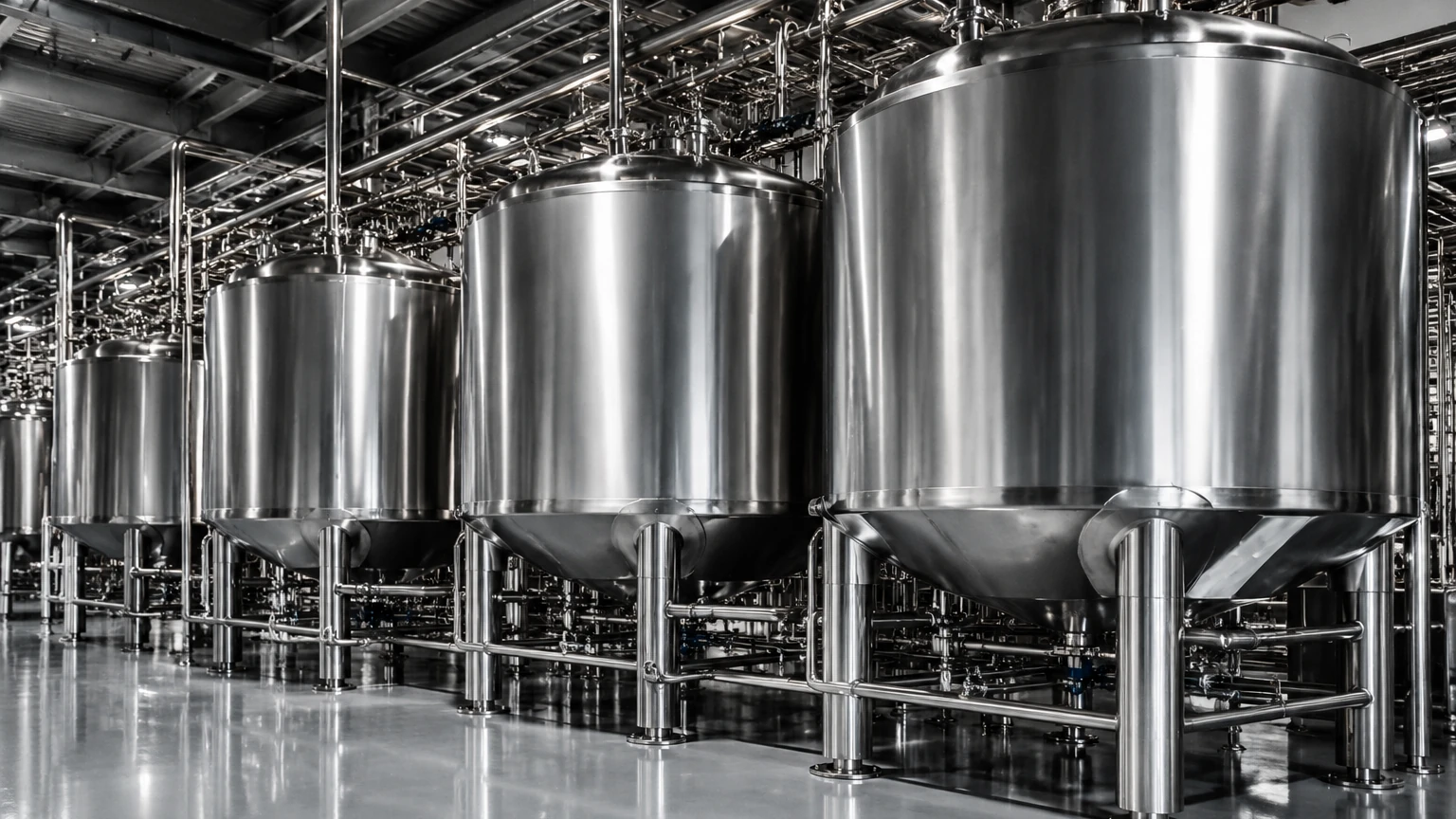
In the landscape of industrial manufacturing, chemical production tanks serve as the primary vessels for storage, mixing, and complex chemical reactions. These systems are engineered to withstand aggressive environments, varying pressure levels, and extreme temperatures. However, the integrity of the processes occurring within these tanks is heavily dependent on the quality of filtration systems integrated into the infrastructure. For engineers and procurement specialists, understanding the technical nuances of filtration within chemical production tanks is essential for maintaining product purity, protecting downstream equipment, and ensuring operational safety.
Industrial filtration in this context is not merely a peripheral concern but a core engineering requirement. Whether the application involves bulk storage of raw materials or high-pressure catalytic reactors, the selection of filtration components—such as stainless steel wire mesh or sintered metal cartridges—directly impacts the efficiency and longevity of the entire production line.
Engineering Requirements for Chemical Production Tanks
Designing and maintaining chemical production tanks requires a comprehensive understanding of the physical and chemical stresses placed on the vessel and its components. These tanks often handle corrosive fluids, abrasive slurries, or high-purity solvents that demand specific material properties to prevent degradation.
Material Compatibility and Corrosion Resistance
The most critical factor in tank-related filtration is material compatibility. In chemical environments, standard polymers often fail due to chemical attack or thermal instability. Stainless steel, particularly grades 304 and 316L, is the industry standard for filtration components within chemical production tanks. 316L stainless steel, with its addition of molybdenum, provides superior resistance to chlorides and acidic environments, making it indispensable for pharmaceutical and chemical processing.
Pressure and Temperature Stability
Chemical reactions frequently occur under elevated pressures and temperatures. Filtration components must maintain their structural integrity and pore geometry under these conditions. Unlike synthetic media, stainless steel filter cartridges offer high mechanical strength, allowing them to withstand significant differential pressures without bypass or media migration. This stability is vital for ensuring that the filtration accuracy remains consistent throughout the production cycle.
The Role of Stainless Steel Filtration in Tank Systems
Filtration within chemical production tanks serves several distinct purposes, ranging from protecting the tank's contents to ensuring the safety of the surrounding environment.
Tank Venting and Breathability
As tanks are filled or emptied, air or inert gas must enter or exit the vessel to equalize pressure. Without proper venting, tanks can suffer from structural failure due to vacuum or overpressure. Vent filters are installed to ensure that the air entering the tank is free from particulate contaminants, moisture, or microbes. Stainless steel wire mesh filters are often utilized in these vent assemblies because they provide a robust barrier that can be easily cleaned and sterilized.
Inlet and Outlet Protection
To maintain the purity of the final product, raw materials must be filtered as they enter the chemical production tanks. Similarly, outlet filtration ensures that any precipitates, catalyst fines, or accumulated debris do not reach downstream processing equipment or the final packaging stage. Using high-precision metal filter components at these points reduces the risk of batch contamination and equipment damage.
Catalyst Recovery and Retention
In many chemical reactions, expensive catalysts are used to facilitate the process. Effective filtration systems allow for the recovery of these catalysts from the slurry or liquid stream within the tank. Sintered metal filters are particularly effective here, as they can be engineered with specific micron ratings to capture fine catalyst particles while allowing the liquid phase to pass with minimal resistance.
Selecting the Right Filter for Chemical Processing
Choosing the correct filtration solution for chemical production tanks involves more than just selecting a micron rating. Engineers must evaluate the fluid dynamics and the specific nature of the contaminants.
Micron Rating and Filtration Efficiency
The micron rating defines the size of particles the filter is designed to capture. In chemical processing, it is important to distinguish between nominal and absolute ratings. For critical applications where 100% retention of a specific particle size is required, absolute-rated stainless steel cartridges are necessary. For general pre-filtration or bulk solids removal, nominal-rated wire mesh filters may offer a more cost-effective solution with lower pressure drops.
Flow Rate and Differential Pressure (Delta P)
The flow rate through the filter must be balanced against the allowable pressure drop. A filter that is too restrictive will increase the load on pumps and may lead to premature clogging. Conversely, a filter with too much open area might not provide the required level of cleanliness. Engineers must calculate the total filtration area needed based on the fluid viscosity and the expected solids loading within the chemical production tanks.
Surface vs. Depth Filtration
* Surface Filtration: Utilizing wire mesh or thin metal membranes, surface filtration captures particles on the upstream side of the media. This is ideal for applications where the solids need to be recovered or where backwashing is the primary cleaning method.
* Depth Filtration: Sintered metal fiber felt or multi-layered mesh structures provide a tortuous path for contaminants, allowing for high dirt-holding capacity. This is often preferred for fluids with a wide distribution of particle sizes.
For more detailed technical specifications on various filter types, engineers can Review product options and application support to align their selection with specific tank requirements.
Common Filtration Challenges in Chemical Production
Operating filtration systems within chemical production tanks presents unique challenges that can lead to operational downtime if not addressed during the design phase.
Clogging and Fouling
In processes involving polymers, resins, or high-viscosity fluids, filters are prone to fouling. This occurs when the contaminants adhere to the filter surface or become embedded within the media. Selecting a filter with a smooth surface finish or specialized coatings can help mitigate this issue, as can the implementation of regular cleaning cycles.
Pressure Spikes and Hydraulic Shock
Rapid valve closures or pump starts can create hydraulic shocks within the piping and tank system. Filtration components must be rugged enough to withstand these momentary pressure spikes. The welded construction of stainless steel filter cartridges provides the necessary durability to prevent mechanical failure during such events.
Chemical Degradation of Seals
While the filter media itself may be resistant to the chemical environment, the gaskets and O-rings used to seal the filter housing must also be carefully selected. Materials such as PTFE, Viton, or Kalrez are commonly used to ensure a leak-proof seal that can withstand the aggressive nature of the chemicals stored in the tanks.
Maintenance and Longevity of Industrial Filter Components
One of the primary advantages of utilizing stainless steel filtration in chemical production tanks is the ability to clean and reuse the components, which significantly lowers the total cost of ownership compared to disposable filters.
Cleaning Methodologies
Depending on the nature of the contaminant, several cleaning methods can be employed to restore the filter’s performance:
1. Backwashing: Reversing the flow of fluid through the filter to dislodge surface contaminants.
2. Ultrasonic Cleaning: Using high-frequency sound waves in a cleaning solvent to remove fine particles from deep within the mesh or sintered structure.
3. Chemical Cleaning: Using acids, alkalis, or solvents to dissolve organic or inorganic deposits.
4. Thermal Burn-off: Heating the filter in a controlled environment to carbonize and remove organic polymers.
Replacement Cycles
While stainless steel filters are durable, they are not infinite. Over time, repeated cleaning and exposure to high-pressure cycles can lead to work hardening or microscopic fatigue. Regular inspection of the filter media for signs of deformation, wire displacement, or pinhole leaks is essential. Establishing a preventative maintenance schedule based on the observed differential pressure trends helps in identifying the optimal time for replacement before a failure occurs.
Custom OEM Solutions for Specialized Tank Designs
Standard filtration products do not always meet the unique spatial or functional requirements of specialized chemical production tanks. In these instances, custom-engineered filtration solutions are required. Customization can involve unique dimensions, specialized end fittings (such as NPT, flange, or sanitary couplings), and specific alloy selections like Monel or Hastelloy for extremely corrosive environments.
Working with a manufacturer that understands the complexities of industrial filtration allows engineering teams to develop components that are optimized for their specific flow rates and housing geometries. This collaborative approach ensures that the filtration system is an integrated part of the tank design rather than an afterthought.
Conclusion
Filtration is a critical component in the management of chemical production tanks, serving to protect product quality, ensure safety, and optimize process efficiency. By selecting high-quality stainless steel filtration media and considering factors such as chemical compatibility, pressure stability, and cleanability, engineers can significantly improve the performance of their chemical processing systems. For those seeking to optimize their filtration infrastructure, the Main Page provides a gateway to professional technical resources and customized filtration solutions designed for the most demanding industrial environments.
