


Steel Belt Press
In the landscape of modern industrial manufacturing, the steel belt press stands as a cornerstone for continuous processing applications. From the production of advanced composite materials and chemical polymers to the dehydration of food products and the pressing of industrial laminates, this machinery provides a level of precision and thermal stability that alternative conveyor systems cannot match. For engineers and procurement teams, understanding the technical nuances of the steel belt press—and the critical role that high-performance filtration plays in its longevity—is essential for maintaining operational efficiency and minimizing total cost of ownership.
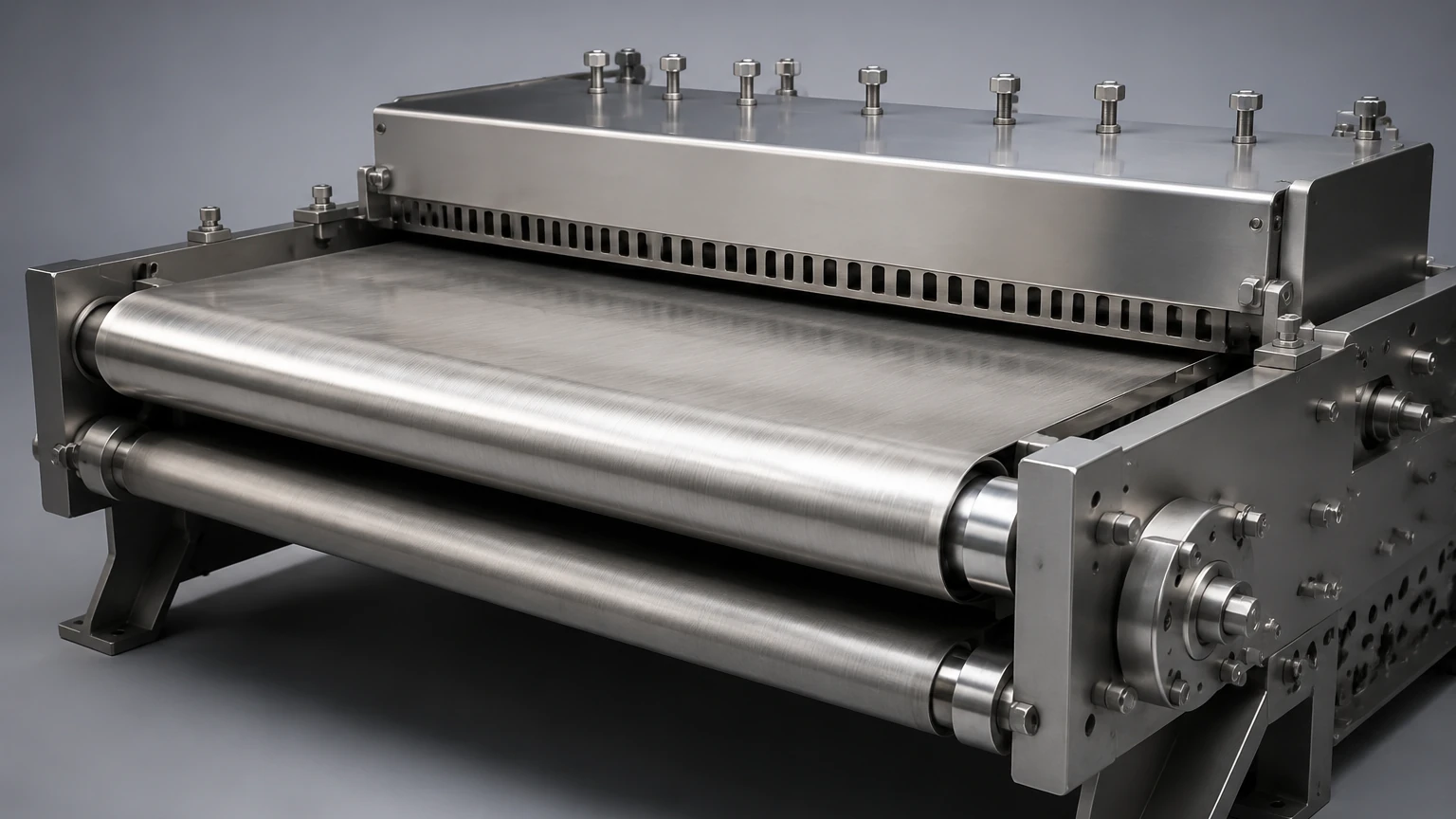
A steel belt press typically consists of two endless stainless steel belts running over drums, between which a product is conveyed and subjected to pressure and temperature. The efficiency of this system relies not only on the mechanical integrity of the belts but also on the auxiliary systems that manage hydraulic fluids, cooling water, and process chemicals. High-quality filtration components, such as those found on the Kaifil Main Page, are vital for protecting these systems from particulate contamination and ensuring consistent product quality.
Understanding the Mechanics of a Steel Belt Press
The fundamental advantage of a steel belt press is its ability to provide a continuous, controlled environment for material transformation. Unlike batch processing, the continuous nature of the steel belt press allows for higher throughput and more uniform product characteristics. The system operates by sandwiching the raw material between two high-tensile steel belts. As these belts move through the press, they pass over heating or cooling platens and through pressure zones created by rollers or hydraulic pads.
From an engineering perspective, the choice of steel for the belt is critical. Most industrial applications require stainless steel alloys that offer a combination of high thermal conductivity, corrosion resistance, and mechanical strength. However, the mechanical complexity of the press means that even the smallest amount of debris in the hydraulic or cooling circuits can lead to catastrophic failure or uneven pressure distribution, resulting in defective products. This is where precision-engineered filtration becomes an indispensable part of the machine's architecture.
The Critical Role of Stainless Steel Filtration in Pressing Systems
In any industrial steel belt press, filtration is required at multiple stages. Whether it is the hydraulic oil that powers the pressure rollers or the process fluids that interact directly with the product, the presence of contaminants can lead to abrasive wear and system downtime. Stainless steel filtration solutions are preferred in these environments due to their ability to withstand the high temperatures and corrosive chemicals often associated with pressing operations.
Hydraulic System Protection
Steel belt presses rely on sophisticated hydraulic systems to maintain precise pressure across the width of the belt. Contaminants in the hydraulic fluid can damage valves and pumps, leading to pressure fluctuations. Using stainless steel filter cartridges ensures that the hydraulic fluid remains within the required ISO cleanliness levels, extending the life of the hydraulic components and ensuring the press maintains a steady force.
Process Fluid Clarification
In applications like food processing or chemical synthesis, the fluids used for cooling or as part of the product mixture must be free of impurities. Wire mesh filters and custom metal filter components are used to remove particulates that could otherwise mar the surface of the steel belt or contaminate the final product. The durability of stainless steel allows these filters to be cleaned and reused, providing a more sustainable and cost-effective solution than disposable alternatives.
Engineering Criteria for Selecting Filter Components
When specifying filtration components for a steel belt press, engineers must look beyond simple micron ratings. The selection process involves a deep dive into the operational environment and the specific demands of the pressing cycle.
1. Material Compatibility: In chemical processing, the filter media must be resistant to the solvents or acids present in the system. 316L stainless steel is often the standard for its superior corrosion resistance compared to 304 stainless steel.
2. Pressure Drop (ΔP): A filter that restricts flow too much can cause the system to work harder, increasing energy consumption and potentially leading to pump cavitation. Engineers must calculate the optimal balance between filtration fineness and flow rate.
3. Thermal Stability: Since many steel belt press applications involve high-heat zones (such as in the curing of resins), the filter components must maintain their structural integrity at elevated temperatures without outgassing or degrading.
4. Cleaning and Maintenance: In a B2B environment, downtime is the enemy of profitability. Filters that are designed for easy backwashing or ultrasonic cleaning reduce the time required for maintenance cycles.
Common Risks and Operational Challenges
Operating a steel belt press involves managing several inherent risks. One of the primary concerns is the accumulation of fine particulates within the system's lubrication or cooling loops. If these particles are not effectively captured, they can cause "scoring" on the steel belt. A scored or scratched belt can leave marks on the finished product, which is particularly problematic in industries like laminate flooring or high-end plastic film production.
Another risk is the failure of seals within the hydraulic press zones. When seals fail, hydraulic fluid can leak into the process area. Robust filtration systems help prevent seal wear by removing the abrasive particles that cause seal degradation in the first place. Furthermore, the use of precision metal filter components helps in the early detection of system wear; by analyzing the debris caught in the filter, maintenance teams can identify which components are beginning to fail before a total system shutdown occurs.
Customization and OEM Solutions for Steel Belt Press Operations
No two industrial applications are identical, and this is especially true for the steel belt press. A press used for dehydrating fruit pulp has vastly different requirements than one used for manufacturing carbon fiber composites. Consequently, off-the-shelf filtration products often fall short of meeting specific engineering requirements.
Customization is a key factor in optimizing the performance of a steel belt press. Manufacturers like Kaifil specialize in developing OEM filtration solutions tailored to the unique dimensions and flow requirements of specific machinery. This includes:
* Custom Wire Mesh Configurations: Adjusting the weave pattern to handle high-viscosity fluids or specific particle shapes.
* Bespoke Filter Cartridges: Designing cartridges that fit into existing housings while providing improved surface area or higher pressure ratings.
* Precision Metal Components: Creating specialized strainers or support structures that can withstand the mechanical stresses of a high-pressure pressing environment.
By working closely with an OEM partner, engineering teams can ensure that their filtration strategy is integrated into the initial design of the press, rather than being an afterthought.
Optimizing Maintenance Cycles for Continuous Production
To achieve the best performance from a steel belt press, a proactive maintenance strategy is required. This involves regular monitoring of the filtration systems to ensure they are performing as expected. Differential pressure gauges should be installed across all major filter housings to provide real-time data on the state of the filter media.
When the pressure drop reaches a pre-defined limit, the filter should be cleaned or replaced. In continuous production environments, duplex filter systems are often employed. These systems allow one filter to be serviced while the other remains in operation, ensuring that the steel belt press does not need to be stopped for routine filter maintenance. This level of redundancy is a hallmark of a well-engineered industrial system.
Furthermore, the total cost of ownership (TCO) should be the primary metric for evaluating filtration performance. While stainless steel filters have a higher initial purchase price than polymer-based filters, their longevity, cleanability, and ability to protect expensive machinery like the steel belt press make them the more economical choice over the long term.
Conclusion
The steel belt press is a remarkable piece of engineering that enables the high-volume production of many of the materials we rely on today. However, its complexity requires a rigorous approach to system protection. High-performance stainless steel filtration is not merely a consumable; it is a critical component that ensures the accuracy, durability, and efficiency of the entire pressing operation.
By focusing on material quality, precise engineering, and customized solutions, manufacturers can safeguard their investment in steel belt press technology. For those seeking to optimize their filtration processes or explore custom OEM options, the resources available through the Kaifil Main Page provide a foundation for making informed, technical decisions that drive industrial success. Whether you are dealing with hydraulic protection or process fluid clarification, the right filtration partner is essential for maintaining the competitive edge in continuous manufacturing.
