


Hot Gas Filter
In industrial process engineering, the management of high-temperature gas streams presents a unique set of challenges that standard filtration systems cannot address. A hot gas filter is a specialized component designed to remove particulate matter from gas streams at temperatures typically exceeding 250°C (480°F), and often reaching as high as 900°C (1650°F). These filters are critical for protecting downstream equipment, recovering valuable catalysts, and ensuring compliance with stringent environmental emission standards.
As global industries move toward higher efficiency and more complex chemical processes, the demand for robust filtration solutions that can withstand extreme thermal and chemical environments has increased. For engineers and procurement specialists, selecting the right hot gas filtration technology requires a deep understanding of material science, fluid dynamics, and the specific mechanical stresses associated with thermal cycling.
The Role of Metal Media in Hot Gas Filtration
While ceramic filters were historically common in high-temperature applications, modern industrial standards have shifted toward sintered metal media. Stainless steel and high-nickel alloys offer superior mechanical strength, ductility, and resistance to thermal shock—a common failure point for brittle ceramic alternatives.
Sintered Metal Fiber vs. Sintered Wire Mesh
When designing a hot gas filter, the choice of media structure is paramount.
1. Sintered Metal Fiber: This medium consists of thin metal filaments that are non-woven, laid into a web, and then sintered together. It provides a high porosity (up to 80%), which translates to a lower initial pressure drop and a higher dirt-holding capacity. This is particularly beneficial in gas streams with high dust loading, as it allows for longer cycles between cleaning.
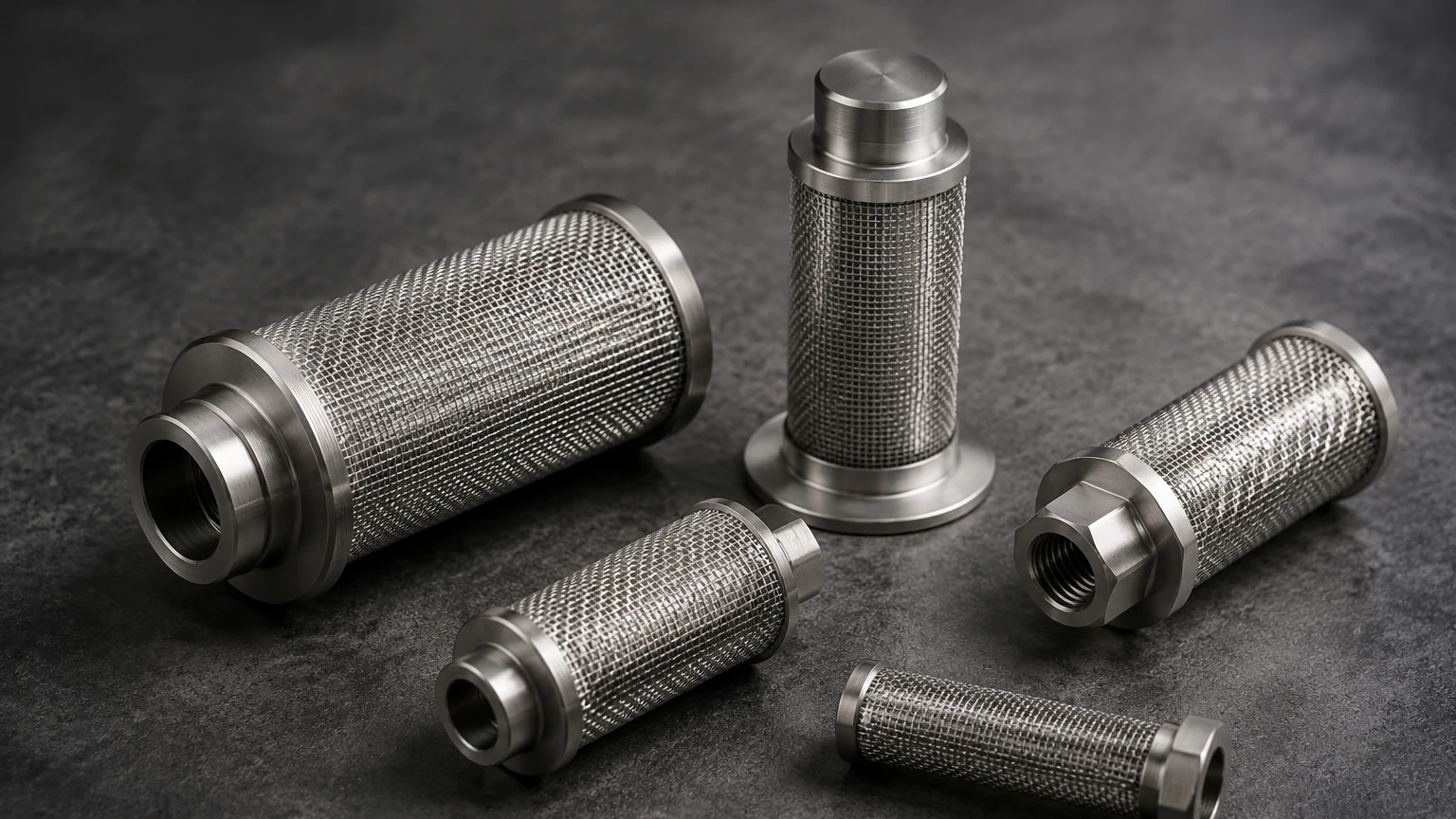
2. Sintered Wire Mesh: This is constructed from multiple layers of woven wire cloth that are bonded through heat and pressure. It offers precise pore size distribution and excellent mechanical stability. For applications where surface filtration is preferred to facilitate easy cake discharge, sintered mesh is often the preferred choice.
For more information on the technical specifications of these materials, you can visit the Main Page of our filtration resource center.
Engineering Considerations for High-Temperature Environments
Designing a hot gas filter system is not merely about selecting a filter element; it involves engineering the entire vessel and support structure to handle the physical realities of heat.
Thermal Expansion and Sealing
One of the most significant challenges in hot gas filtration is the differential thermal expansion between the filter elements and the tube sheet or housing. As temperatures rise, metal components expand. If the system is not designed with adequate clearances or flexible sealing mechanisms, the resulting mechanical stress can lead to the warping of the tube sheet or the cracking of filter seals.
Engineers must specify high-temperature gaskets or metal-to-metal seals that can maintain integrity during thermal cycling. Common materials for these seals include graphite-based composites or specialized metallic O-rings that can withstand the oxidative environment of the gas stream.
Corrosion and Gas Chemistry
At elevated temperatures, the chemical reactivity of the gas stream increases significantly. A hot gas filter must be resistant to various forms of corrosion, including:
* Oxidation: The formation of scale on the metal surface, which can eventually lead to thinning of the filter media.
* Sulfidation: Common in petrochemical processes where sulfur compounds are present, leading to the rapid degradation of standard stainless steels.
* Carburization: In carbon-rich environments, carbon can diffuse into the metal, making the filter media brittle and prone to failure under vibration or pressure pulses.
To combat these issues, alloys such as 310S stainless steel, Inconel 600, or Hastelloy are frequently used due to their high chromium and nickel content, which provides a protective oxide layer.
Performance Metrics: Efficiency and Pressure Drop
The performance of a hot gas filter is typically evaluated based on its filtration efficiency and its impact on system pressure. In many industrial applications, such as catalyst recovery in Fluid Catalytic Cracking (FCC) units, the filter must achieve 99.9% efficiency for particles as small as 1 to 5 micrometers.
Calculating Differential Pressure (ΔP)
The pressure drop across the filter media is a critical operational parameter. A high ΔP indicates that the filter is becoming blinded by particulate matter and requires cleaning. In hot gas systems, the viscosity of the gas increases with temperature, which inherently increases the pressure drop compared to ambient conditions. Engineers must account for this "hot" viscosity when sizing the filter area to ensure the system does not exceed the maximum allowable differential pressure of the process blower or compressor.
Cleaning Mechanisms: Pulse-Jet and Backpulsing
Because hot gas filters are often integrated into continuous processes, they must be cleaned in-situ to maintain operational continuity. The most common method is the pulse-jet or backpulsing system.
The Backpulse Cycle
During a backpulse cycle, a high-pressure burst of clean gas (usually nitrogen or process gas) is injected into the clean side of the filter element in the opposite direction of the normal flow. This sudden pressure surge dislodges the accumulated dust cake from the outer surface of the filter.
For a hot gas filter, the backpulse gas should ideally be pre-heated. Injecting cold gas into a hot filter element can cause localized thermal shock, leading to fatigue and eventual failure of the metal media. The timing and pressure of these pulses must be carefully calibrated based on the specific gravity and adhesiveness of the dust being filtered.
Key Applications for Hot Gas Filtration
Hot gas filters are utilized across a broad spectrum of industries where high-temperature processing is standard.
1. Catalyst Recovery
In the chemical and petrochemical industries, catalysts are often used in fluidized bed reactors. As the gas exits the reactor, it carries fine catalyst particles. A hot gas filter recovers these expensive materials, preventing them from being lost to the atmosphere and protecting downstream turbines or heat exchangers from erosion.
2. Biomass and Coal Gasification
Gasification processes convert organic or fossil-based carbonaceous materials into syngas. This process occurs at extremely high temperatures and produces a gas stream laden with char and ash. Filtering these contaminants while the gas is still hot is essential for the efficiency of the combined-cycle power plants that utilize the syngas.
3. Waste-to-Energy and Flue Gas Cleaning
Incineration and waste-to-energy plants produce flue gases containing fly ash and hazardous particulate matter. Hot gas filtration allows for the removal of these solids before the gas enters the scrubbers, reducing the volume of liquid waste and improving the overall efficiency of the emission control system.
Selection Guide: Questions for Engineers
Before purchasing or specifying a hot gas filter, technical teams should confirm the following parameters to ensure the longevity and performance of the equipment:
1. What is the maximum and continuous operating temperature? This dictates the choice of alloy and the design of the thermal expansion joints.
2. What is the chemical composition of the gas? Identify presence of H2S, CO, or high oxygen levels to prevent corrosion.
3. What are the particle characteristics? Size distribution, concentration (mg/Nm³), and whether the dust is abrasive or sticky will influence the choice between sintered fiber and mesh.
4. What is the allowable pressure drop? This determines the total filtration surface area required.
5. What are the cleaning requirements? Is the process continuous or batch? Does the system require a redundant housing for offline cleaning?
Total Cost of Ownership (TCO) Considerations
While the initial capital expenditure for a high-quality stainless steel hot gas filter may be higher than other options, the total cost of ownership is often lower due to:
* Reduced Downtime: Metal filters are more durable and less prone to catastrophic failure than ceramic elements.
* Lower Maintenance Costs: The ability to clean and reuse metal elements over several years reduces the frequency of replacements.
* Energy Efficiency: By operating at higher temperatures, the system avoids the energy loss associated with cooling the gas for filtration and then reheating it for subsequent process steps.
Conclusion
The implementation of an effective hot gas filter is a critical decision for any high-temperature industrial process. By focusing on material integrity, mechanical design for thermal stress, and efficient cleaning mechanisms, engineers can ensure reliable performance in the most demanding environments. As a manufacturer specializing in custom stainless steel filtration solutions, Kaifil provides the technical expertise and manufacturing precision necessary to develop filtration components that meet these rigorous industrial standards.
For further technical assistance or to explore our range of custom filtration products, please refer to our Main Page for detailed product specifications and application support.
