


3 Stage Air Filter System
In industrial environments where air purity directly impacts process integrity and equipment longevity, the implementation of a 3 stage air filter system is a standard engineering practice. This tiered approach to filtration is designed to optimize the removal of contaminants by distributing the particulate load across different media, thereby extending the service life of high-efficiency components and maintaining consistent flow rates. For technical professionals and procurement teams, understanding the mechanical nuances of each stage is critical for selecting a system that meets specific ISO standards or application-specific requirements.
Industrial filtration is rarely a single-step process. High-efficiency filters, while capable of capturing sub-micron particles, are susceptible to rapid clogging if exposed to the raw contaminant load of an industrial intake. By utilizing a 3 stage air filter system, engineers can protect sensitive downstream equipment and ensure that the air quality remains within the necessary tolerances for chemical processing, pharmaceutical manufacturing, or food production.
Understanding the Configuration of a 3 Stage Air Filter System
A 3 stage air filter system operates on the principle of progressive filtration. Each stage is engineered to target a specific range of particle sizes, ensuring that the most expensive or delicate filters are shielded from heavy debris.
Stage 1: Pre-Filtration and Coarse Particle Capture
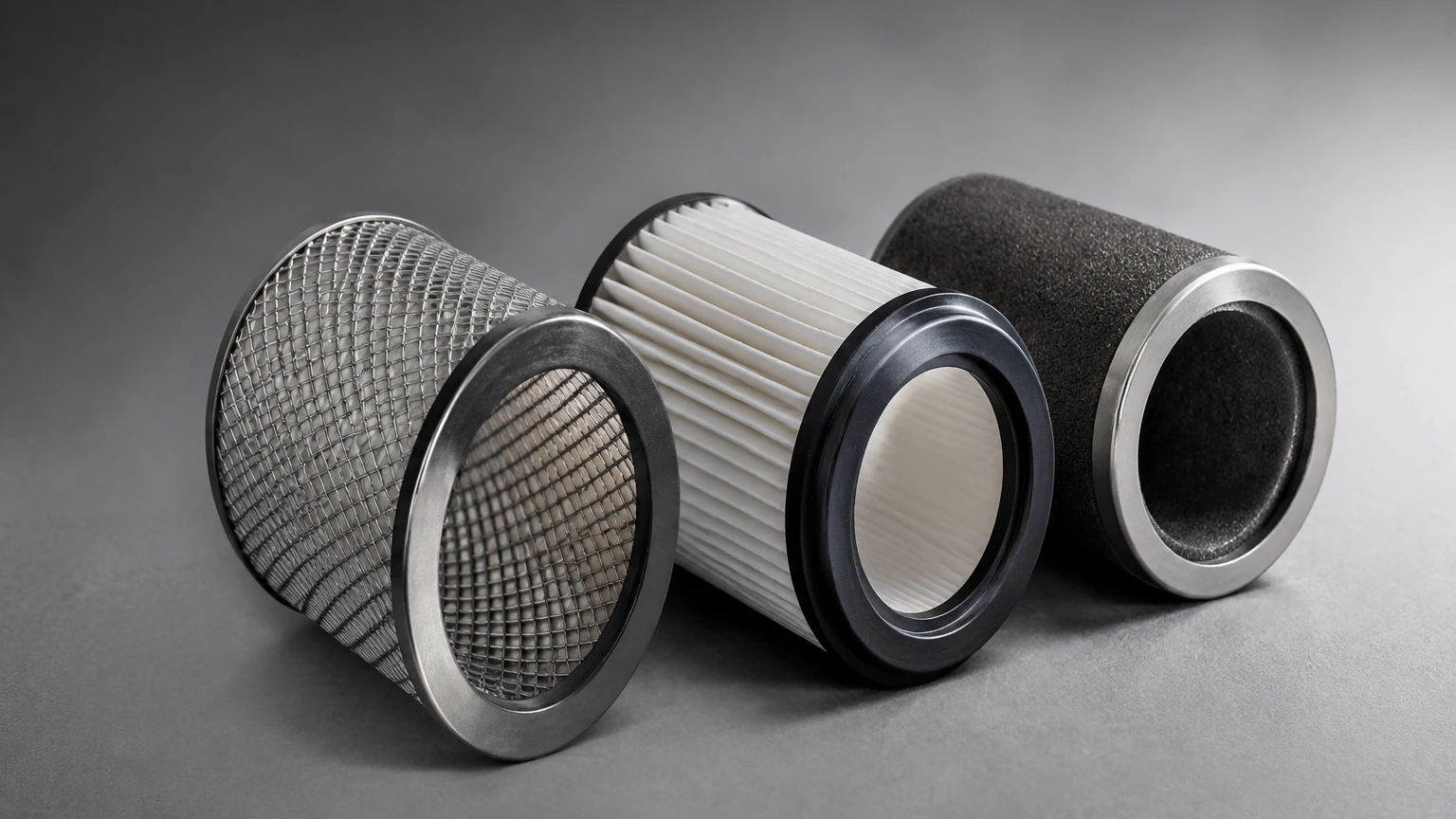
The primary stage is the first line of defense. Its objective is to remove large particulates, such as dust, metal shavings, or large organic fibers, typically ranging from 10 to 100 microns or larger. In many industrial settings, this stage utilizes cleanable media, such as stainless steel wire mesh. The use of a robust pre-filter prevents the secondary and tertiary stages from becoming overwhelmed, which is vital for maintaining a manageable pressure drop across the system.
Stage 2: Secondary or Fine Filtration
The second stage targets mid-range particulates, often in the 1 to 10-micron range. This stage significantly reduces the concentration of finer dust and aerosols that bypassed the pre-filter. Depending on the application, this stage might employ pleated synthetic media or high-density metal fiber felts. The secondary filter acts as a bridge, ensuring that the air entering the final stage is already substantially purified.
Stage 3: Final Filtration or Polishing
The final stage is where the highest level of air purity is achieved. This stage may involve HEPA (High-Efficiency Particulate Air) filters for sterile environments, activated carbon for vapor removal, or ultra-fine coalescing filters for removing oil mists in hydraulic or pneumatic systems. Because the previous two stages have removed the bulk of the contaminant mass, the final stage can operate at peak efficiency for a much longer duration.
The Role of Stainless Steel Mesh in Multi-Stage Filtration
For many industrial applications, particularly those involving high temperatures, corrosive chemicals, or high-pressure differentials, traditional fabric or paper filters are insufficient. This is where stainless steel filtration components become essential. As a specialized manufacturer, Kaifil provides the precision-engineered metal components required for the demanding first and second stages of a 3 stage air filter system.
Durability and Reusability
Unlike disposable filters, stainless steel wire mesh filters offer exceptional structural integrity. They can withstand mechanical stresses that would cause synthetic media to collapse or bypass. Furthermore, stainless steel components are cleanable. In a 3 stage air filter system, the ability to ultrasonically clean or backwash the pre-filter and secondary filter significantly reduces the total cost of ownership by eliminating the need for frequent replacement of the primary stages.
Material Compatibility
In chemical processing or pharmaceutical environments, the air may contain corrosive vapors or be subjected to extreme temperatures. Stainless steel (specifically grades 304, 316, or 316L) provides the necessary chemical resistance to prevent media degradation. This ensures that the filter itself does not become a source of contamination through shedding or chemical breakdown. For more information on material specifications and custom configurations, you can visit the Main Page to explore technical capabilities.
Evaluating Filtration Efficiency and Pressure Drop
One of the most critical engineering considerations in a 3 stage air filter system is the balance between filtration efficiency and pressure drop (Delta P). Every filter media introduces resistance to the airflow. As particles accumulate, this resistance increases, requiring more energy from the blower or compressor to maintain the required flow rate.
Managing the Pressure Gradient
A well-designed 3 stage system manages the pressure gradient by selecting media with appropriate porosity. If the pre-filter is too restrictive, the system will experience a high initial pressure drop. If it is too open, the secondary filter will clog prematurely. Engineers must calculate the "dirt-holding capacity" of each stage to ensure that the maintenance intervals for all three stages are synchronized or at least predictable.
Micron Ratings and Capture Mechanisms
Filtration in these systems occurs through several physical mechanisms:
* Inertial Impaction: Larger particles strike the filter fibers due to their momentum.
* Interception: Mid-sized particles follow the airstream but come close enough to a fiber to be captured.
* Diffusion: Very small particles (sub-micron) move randomly (Brownian motion) and eventually collide with the filter media.
By selecting the correct wire mesh weave—such as plain weave, twill weave, or Dutch weave—manufacturers can tailor the capture mechanism to the specific needs of the 3 stage air filter system.
Industrial Applications and Environmental Compatibility
The necessity of a 3 stage air filter system spans various high-stakes industries where air quality is non-negotiable. Each sector presents unique challenges that dictate the design of the filtration stages.
Chemical Processing and Petrochemicals
In these environments, air filtration systems must often handle aggressive solvents or high-temperature exhaust. A 3 stage system using stainless steel cartridges in the first two stages can effectively remove catalyst fines or salt spray before the air reaches sensitive monitoring equipment or final emission controls.
Food and Beverage Production
Air purity is essential for preventing microbial contamination during packaging or fermentation. A 3 stage air filter system in a food plant typically includes a moisture separator or coarse mesh pre-filter, followed by a fine particulate filter, and ending with a sterile-grade final filter. The use of food-grade stainless steel ensures compliance with hygiene standards and allows for Steam-In-Place (SIP) sterilization.
Hydraulic and Pneumatic Systems
In heavy machinery, a 3 stage air filter system (often referred to as a breather or intake filter) prevents environmental dust from entering the hydraulic reservoir. Contamination in these systems leads to accelerated wear of valves and pumps. Using a robust metal mesh pre-filter ensures that even in high-vibration environments, the filtration system remains intact.
Customization and Engineering for OEM Integration
Off-the-shelf filtration solutions often fail to meet the specific spatial or performance constraints of specialized industrial equipment. Customization is frequently required to integrate a 3 stage air filter system into existing infrastructure or new product designs.
Housing and Connection Types
Engineers must consider how the filter cartridges will be housed. Options include threaded connections, flange mounts, or O-ring seals. The housing must be designed to allow for easy access to all three stages for inspection and replacement. Kaifil specializes in manufacturing custom stainless steel filter cartridges that can be tailored to fit proprietary housing designs, ensuring a leak-proof and high-performance fit.
Tailored Micron Retention
Not every 3 stage air filter system requires the same micron ratings. A system designed for a desert environment may require a more robust pre-filter to handle heavy sand loading, while a system for a cleanroom intake may prioritize the secondary and tertiary stages. Custom-woven wire mesh allows for precise control over the pore size and distribution, enabling engineers to specify exactly how each stage performs.
Maintenance Cycles and Economic Considerations
The primary driver for choosing a 3 stage air filter system over a single-stage alternative is the long-term economic benefit. While the initial capital expenditure for a three-stage housing and a set of high-quality stainless steel filters is higher, the operational savings are substantial.
Extending the Life of Final Stages
Final-stage filters, such as HEPA or specialized membranes, are expensive and often non-cleanable. By effectively removing 95-98% of the particulate mass in the first two stages, the life of the final stage can be extended by 300% to 500%. This reduces the frequency of system shutdowns and the cost of replacement parts.
Total Cost of Ownership (TCO)
When evaluating the TCO of a 3 stage air filter system, engineers should consider:
1. Energy Costs: A system that maintains a lower average pressure drop consumes less power.
2. Labor Costs: Fewer filter changes mean lower maintenance labor requirements.
3. Waste Disposal: Cleanable stainless steel filters reduce the volume of contaminated waste sent to landfills compared to disposable synthetic filters.
Conclusion: Selecting the Right System Components
Implementing an effective 3 stage air filter system requires a deep understanding of the specific contaminants present in the environment and the required purity levels of the processed air. By utilizing a combination of coarse, fine, and ultra-fine filtration, industrial operations can achieve a balance between high performance and cost-efficiency.
For engineers and purchasing teams, the selection of filter media is the most critical decision. Stainless steel wire mesh and sintered metal components offer the durability and precision needed for the most demanding stages of these systems. When designing or upgrading a filtration process, collaborating with a manufacturer that understands the technical requirements of industrial filtration is essential. To review product options and application support for your specific filtration needs, visiting the Main Page provides a comprehensive overview of available custom solutions and engineering expertise.
