


Donaldson Filter Cart
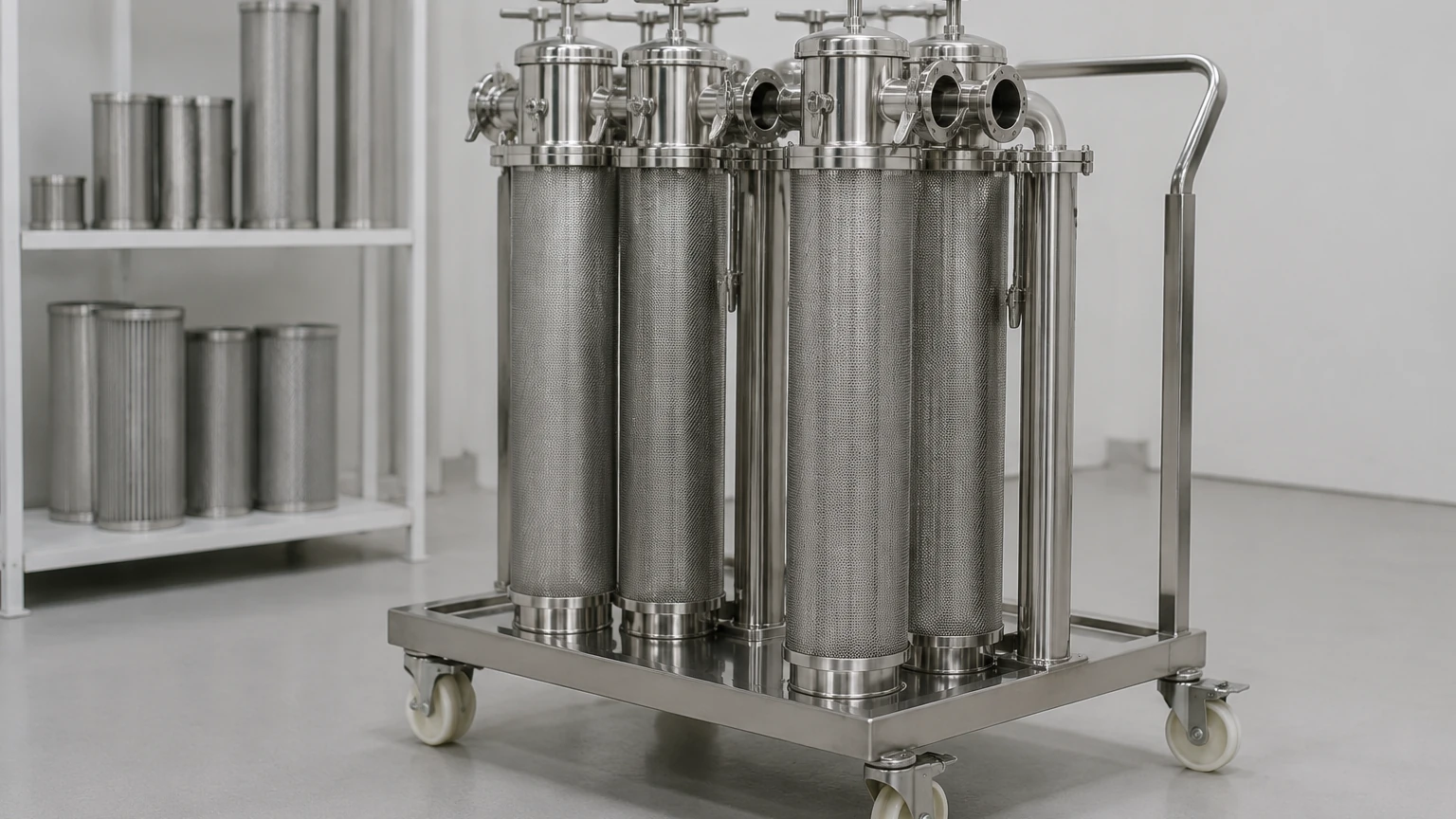
In industrial fluid management, maintaining the cleanliness of hydraulic oils, lubricants, and coolants is paramount to equipment longevity and operational efficiency. Contamination is the primary cause of hydraulic system failure, often leading to component wear, valve sticking, and accelerated fluid degradation. The donaldson filter cart represents a critical mobile solution for off-line filtration, providing engineers and maintenance teams with a versatile tool to achieve specific ISO cleanliness codes in demanding environments.
As a specialized manufacturer of high-performance filtration components, Kaifil understands that the effectiveness of any mobile filtration unit depends heavily on the quality and configuration of the filter elements used within it. Whether utilizing standard synthetic media or custom stainless steel wire mesh elements for high-temperature or corrosive applications, understanding the technical nuances of these systems is essential for optimizing fluid health.
The Engineering Role of Mobile Filtration Units
Mobile filtration units, often referred to as filter carts or kidney-loop systems, are designed to perform "off-line" filtration. Unlike the primary filters integrated into a machine’s hydraulic circuit, a filter cart operates independently of the main system’s pressure and flow. This independence allows for continuous cleaning even when the main equipment is stationary, or for pre-cleaning new fluid before it is introduced into a sensitive system.
Off-Line vs. In-Line Filtration
In-line filters are sized to handle the full flow and pressure of a system, which often limits their filtration fineness due to the risk of high differential pressure. In contrast, a mobile unit like a donaldson filter cart uses its own dedicated pump and motor. This allows for a controlled, lower flow rate through high-efficiency media, maximizing the "dwell time" of the fluid within the filter and ensuring a higher single-pass capture rate of fine particulates.
Fluid Transfer and Pre-Filtration
One of the most common sources of contamination is "new" oil. Standard drum oil often arrives with a particulate count that exceeds the tolerance of modern high-pressure hydraulic components. Utilizing a filter cart to transfer fluid from a storage drum to a reservoir ensures that the fluid is filtered to the required specification before it ever touches critical internal components.
Key Technical Specifications for Selection
When evaluating a donaldson filter cart for industrial use, engineers must look beyond basic portability. Several technical parameters dictate whether a unit is suitable for a specific application.
1. Flow Rate and Viscosity Handling
The pump and motor assembly must be matched to the viscosity of the fluid being processed. Standard carts may struggle with high-viscosity gear oils (ISO VG 220 or 320), especially in cold environments. Selecting a unit with a heavy-duty motor and a positive displacement pump is necessary for consistent performance across a range of temperatures. For technical support on matching filter elements to specific flow requirements, professionals can visit the Main Page to review product options and application support.
2. Filtration Efficiency and Beta Ratios
The performance of a filter is measured by its Beta ratio (βx[c] = y), which indicates the ratio of particles upstream to downstream at a given micron size (x). For critical hydraulic systems, a Beta ratio of 1000 (99.9% efficiency) at 3 or 5 microns is often targeted. The filter cart’s housing must be compatible with high-efficiency elements that can maintain these ratios without premature clogging.
3. Dual-Stage Filtration
Many high-performance carts employ a dual-stage approach. The first stage typically utilizes a coarser "pre-filter" (often 25-40 microns) to remove large debris and protect the pump. The second stage utilizes a high-efficiency "polishing" filter (1-10 microns) to achieve the final cleanliness goal. This staged approach extends the life of the more expensive fine-filtration elements.
Filtration Media: Synthetic vs. Stainless Steel
The choice of filter media within the cart is a critical engineering decision. While many standard carts use disposable synthetic or cellulose media, certain industrial applications require the durability of metal.
* Synthetic Media: Excellent for high-efficiency particulate removal in standard hydraulic oils. They offer high dirt-holding capacity but are generally disposable and may have temperature limitations.
* Stainless Steel Wire Mesh: For applications involving high temperatures, aggressive chemical additives, or where the ability to clean and reuse elements is required, stainless steel wire mesh filters are superior. Kaifil specializes in manufacturing these precision metal components, providing the structural integrity needed to withstand high differential pressures without media migration.
Addressing Water Contamination
Particulate is not the only threat to fluid health; dissolved and free water can cause oxidation, additive depletion, and microbial growth. Specialized "water-absorbing" elements can be used within a filter cart. These elements contain super-absorbent polymers that chemically bond with water molecules. When the fluid contains high levels of water, these elements swell, eventually increasing differential pressure and signaling the need for a change-out.
Maintenance and Operational Best Practices
To maximize the utility of a donaldson filter cart, maintenance teams should adhere to structured operational protocols.
Monitoring Differential Pressure
Every filter cart should be equipped with a visual or electrical differential pressure indicator. This gauge measures the pressure drop across the filter element. As the element captures contaminants, the pressure drop increases. Operating a cart with a bypassed or clogged filter is counterproductive, as it may result in "unloading" captured contaminants back into the fluid stream.
ISO 4406 Cleanliness Monitoring
The ultimate goal of using a filter cart is to reach a target ISO 4406 code (e.g., 16/14/11). Advanced carts may include integrated particle counters that provide real-time data on fluid cleanliness. This allows operators to stop the filtration process exactly when the target is met, saving time and reducing unnecessary wear on the cart’s pump.
Hose and Seal Compatibility
Engineers must ensure that the hoses and seals (typically Buna-N, Viton, or EPDM) are compatible with the fluid being filtered. For example, phosphate ester fluids used in power generation require specific seal materials to prevent swelling and leakage.
Customization and OEM Filtration Solutions
While off-the-shelf filter carts meet many needs, specialized industrial processes often require customized filtration components. This is where Kaifil’s expertise in stainless steel filtration becomes vital. Custom-designed filter cartridges can be engineered to fit existing cart housings while providing specific performance characteristics, such as:
* Increased Surface Area: Pleated wire mesh designs that offer higher dirt-holding capacity in a compact footprint.
* Corrosion Resistance: 304 or 316L stainless steel construction for use with caustic fluids or in offshore environments.
* Precision Micron Ratings: Custom weaving patterns that ensure exact filtration accuracy for sensitive laboratory or pharmaceutical applications.
By integrating high-quality metal filter elements into mobile filtration systems, companies can achieve a lower total cost of ownership through reduced element replacement frequency and improved fluid recovery rates.
Conclusion
The use of a donaldson filter cart is a proactive strategy for any facility looking to reduce downtime and extend the life of expensive industrial machinery. By understanding the relationship between flow rates, media efficiency, and fluid chemistry, engineers can select the right configuration to meet their specific cleanliness targets.
Effective filtration is not just about the equipment; it is about the precision of the components within. For organizations requiring specialized filtration solutions, including custom stainless steel cartridges and wire mesh components tailored for industrial applications, exploring the technical resources at the Main Page provides a path toward optimized filtration performance and reliable fluid management. Investing in high-quality filtration today prevents the catastrophic costs of component failure tomorrow.
