


In industrial environments, the selection of barrier materials is a critical engineering decision that impacts safety, security, and operational efficiency. While often discussed in agricultural contexts, the technical specifications of Woven Wire Mesh play a vital role in industrial safety guarding, cleanroom partitions, and high-durability perimeter enclosures. One of the most frequently evaluated parameters in these installations is the woven wire fence height, as it dictates not only the level of protection provided but also the structural requirements of the supporting framework.
For engineers and procurement professionals, understanding the intersection of mesh geometry, material science, and height requirements is essential. This guide explores the technical considerations for specifying woven wire mesh in large-scale industrial applications, focusing on how height influences material selection and long-term performance.
The Engineering Significance of Woven Wire Fence Height
When designing an industrial enclosure or safety barrier, the height of the mesh is rarely a standalone variable. It is intrinsically linked to the mesh’s stability, the gauge of the wire, and the environmental loads the structure must withstand. In industrial settings, "fence height" often refers to machine guarding, warehouse partitions, or outdoor security perimeters for chemical and water treatment facilities.
Security and Containment Requirements
For security applications, height is the primary deterrent against unauthorized access. Standard industrial heights often range from 6 to 12 feet, but custom engineering may require taller structures for sensitive areas. The choice of Woven Wire Mesh for these heights is preferred over expanded metal or chain link due to its superior aesthetic, visibility, and resistance to cutting tools.
Personnel Safety and OSHA Compliance
In manufacturing environments, height is dictated by safety standards such as those provided by OSHA or ISO. Machine guarding must be tall enough to prevent personnel from reaching over the barrier into hazardous zones. The relationship between the distance from the hazard and the required height of the mesh is a standard calculation in industrial safety design.
Structural Considerations for Tall Mesh Installations
As the woven wire fence height increases, the physical forces acting upon the mesh and its support structure grow exponentially. Engineers must account for several factors to ensure the longevity of the installation.
Wind Loading and Surface Area
In outdoor applications, such as perimeter fencing for chemical processing plants, wind load is a major factor. A tall fence acts as a sail. While the open area of the mesh allows for airflow, the cumulative resistance of the wire surface area can exert significant pressure on the posts and frames. Selecting a mesh with a higher percentage of open area can mitigate these forces without compromising the barrier's integrity.
Wire Gauge and Mesh Stability
For taller installations, a heavier wire gauge is typically required to prevent the mesh from sagging or deforming under its own weight. Woven wire is inherently stable due to the interlocking nature of the wires, but at heights exceeding 8 feet, the tensioning and framing methods become paramount.
* Plain Weave: Offers consistent openings and is the most common choice for industrial barriers.
* Twill Weave: Often used when heavier wires are required for a specific mesh count, providing increased strength for taller sections.
Material Selection: SS304 vs. SS316L
The durability of an industrial barrier is largely determined by the alloy used. Kaifil specializes in high-performance stainless steel solutions that withstand demanding environments.
Stainless Steel 304
SS304 is the industry standard for most indoor and general-purpose outdoor applications. It provides excellent corrosion resistance and structural strength. For warehouse partitions or machine guards where the woven wire fence height is a primary concern but chemical exposure is minimal, SS304 offers a cost-effective, high-durability solution.
Stainless Steel 316L
In environments involving high salinity, coastal air, or aggressive chemical vapors—such as wastewater treatment plants or offshore platforms—SS316L is the necessary choice. The addition of molybdenum enhances resistance to pitting and crevice corrosion. When specifying a tall mesh barrier in these areas, using 316L ensures that the structural integrity of the mesh is not compromised by oxidation over time, which could lead to failure at critical stress points.
Customization and Manufacturing Precision
Industrial projects often require dimensions that deviate from standard architectural fencing. This is where the expertise of a professional manufacturer like Kaifil becomes invaluable.
Framed Panels vs. Continuous Rolls
Depending on the intended woven wire fence height, the mesh may be supplied in continuous rolls or as pre-fabricated framed panels.
* Rolls: Best for long, uninterrupted perimeters where the mesh can be tensioned across posts.
* Framed Panels: Ideal for machine guarding and interior partitions. Framing provides the necessary rigidity for tall sections, allowing for easy installation and modular replacement if a section is damaged.
When selecting materials for these applications, engineers often choose Plain, twill and dutch woven wire mesh in SS304/316L — rolls, cut mesh and framed panels. Send mesh count or micron target for a technical quote.
Precision Mesh Counts
While "fence height" describes the external dimension, the mesh count (the number of openings per linear inch) determines the functional transparency and security level. High-security areas may require a dense mesh that prevents even small objects from passing through, while ventilation enclosures require a coarser mesh to maximize airflow.
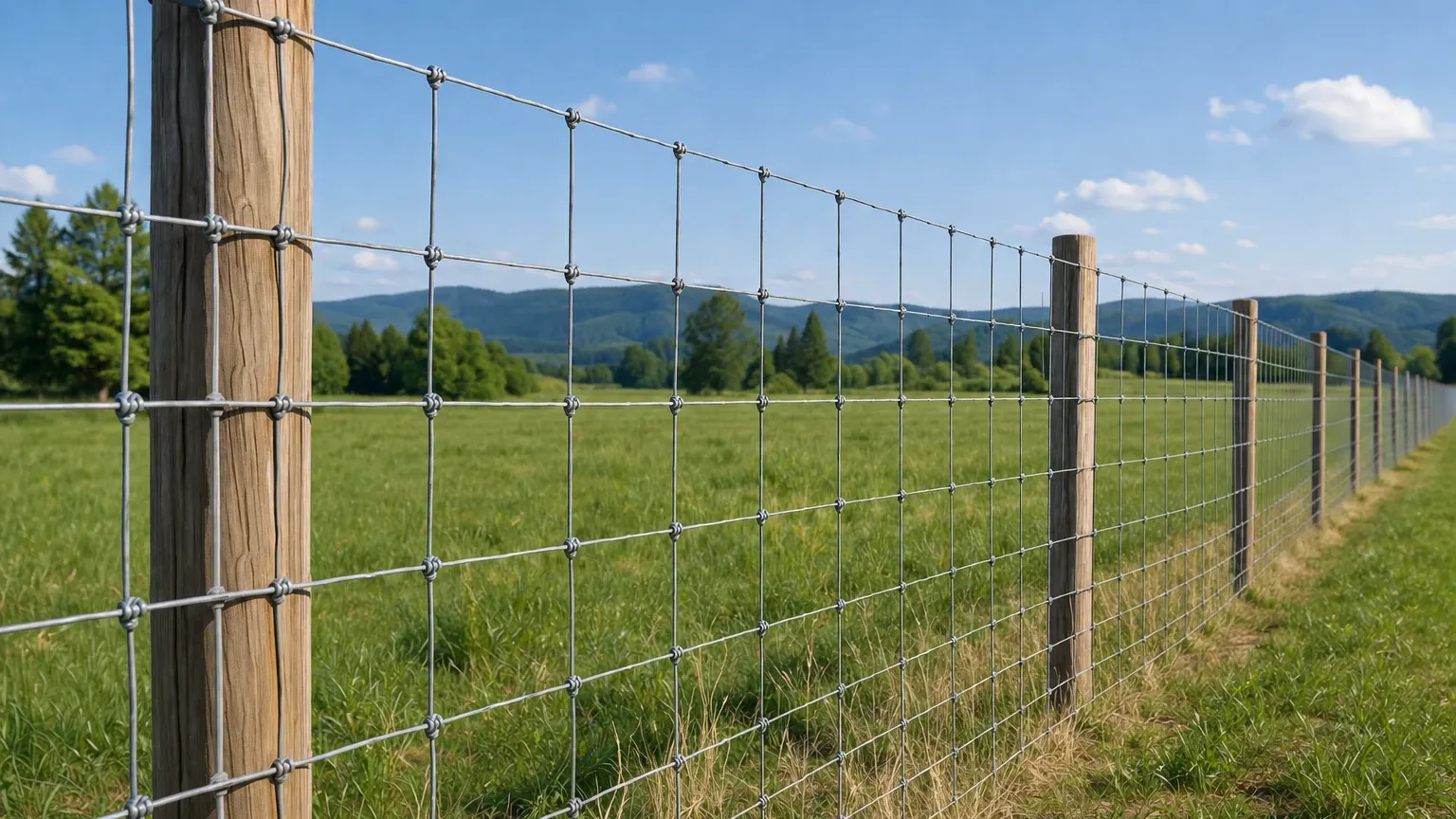
Installation and Maintenance of Industrial Mesh Barriers
To maximize the ROI of a high-quality Woven Wire Mesh installation, proper installation and maintenance protocols must be followed.
1. Tensioning: For roll-based installations, ensuring the mesh is properly tensioned is vital to prevent sagging, especially in tall fences.
2. Support Intervals: The distance between vertical supports should be reduced as the height increases to manage the weight and potential impact loads.
3. Cleaning: Even stainless steel requires periodic cleaning in industrial environments to remove accumulated particulates that could trap moisture and initiate localized corrosion.
4. Inspection: Regular checks of the attachment points (clips, welds, or bolts) are necessary, particularly in high-vibration environments like those found near heavy machinery.
Total Cost of Ownership (TCO) Considerations
When evaluating the cost of an industrial barrier, the initial purchase price of the mesh is only one component. Engineers must consider the Total Cost of Ownership, which includes:
* Installation Labor: Pre-framed panels may have a higher material cost but significantly lower labor costs.
* Service Life: Choosing SS316L for a corrosive environment may double the initial material cost but triple the service life of the fence, leading to lower long-term expenses.
* Maintenance: Stainless steel mesh requires significantly less maintenance than galvanized or PVC-coated alternatives, which may peel or rust over time.
Technical FAQ for Industrial Mesh Selection
Q: How does the wire diameter affect the maximum achievable height?
A: Larger wire diameters provide greater self-supporting rigidity. For heights over 10 feet without intermediate horizontal rails, a wire diameter of at least 3mm is often recommended for standard industrial mesh counts.
Q: Can woven wire mesh be used for both filtration and safety barriers?
A: Yes. While the primary function of a safety barrier is physical separation, in many industrial processes, the barrier also serves as a coarse filter or debris screen. Kaifil’s expertise in filtration ensures that the mesh provided meets the exact micron or opening requirements for dual-purpose applications.
Q: What is the benefit of using stainless steel over galvanized steel for tall fences?
A: Stainless steel offers a significantly higher strength-to-weight ratio and superior corrosion resistance. In tall installations, the weight of the material itself is a factor; stainless steel allows for thinner wires to achieve the same strength as thicker galvanized wires, reducing the load on the support structure.
Conclusion
Specifying the correct woven wire fence height is a multifaceted process that requires a balance of safety requirements, environmental conditions, and material capabilities. By focusing on high-quality Woven Wire Mesh and considering the technical nuances of alloy selection and structural loads, industrial facilities can achieve durable, low-maintenance, and highly effective containment solutions.
Kaifil remains a committed partner for engineers seeking precision-engineered filtration and barrier components. Whether the application calls for standard security partitions or custom-engineered enclosures for hazardous environments, our technical team provides the expertise necessary to ensure optimal performance and safety.
