


Baghouse Dust Collector
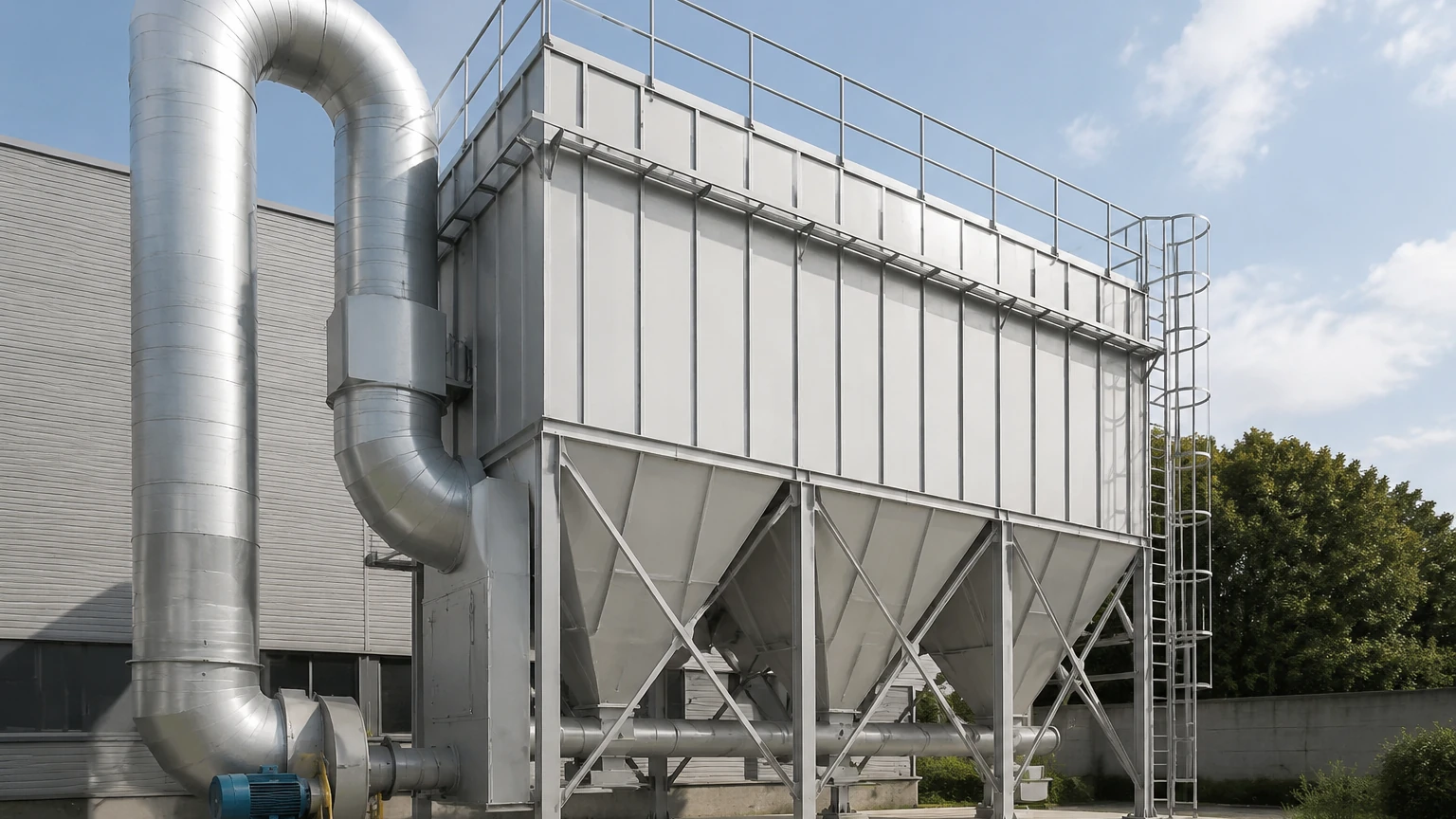
In industrial manufacturing and processing, air quality and particulate management are critical for both operational efficiency and regulatory compliance. A baghouse dust collector, also known as a fabric filter, serves as a primary air pollution control device designed to remove particulate matter from industrial gas streams. These systems are essential in sectors ranging from chemical processing and pharmaceuticals to food production and metallurgy, where fine dust and airborne contaminants can compromise product quality, equipment longevity, and worker safety.
For engineers and procurement teams, selecting the right filtration system requires a deep understanding of the mechanical principles, material science, and engineering constraints involved. While traditional fabric bags are common, modern industrial demands often require high-performance components, including stainless steel supports and specialized metal filtration media, to ensure durability in harsh environments. As a professional manufacturer, Kaifil provides the technical expertise and custom stainless steel filtration solutions necessary to optimize these systems. For more detailed technical specifications on filtration components, you can visit our Main Page.
Understanding the Fundamentals of Baghouse Dust Collectors
A baghouse dust collector operates by drawing dust-laden air through a series of fabric or metal filter media. The particulates are trapped on the surface or within the structure of the filter, while the cleaned air passes through and is exhausted or recirculated. The efficiency of these systems is exceptionally high, often capable of capturing 99% or more of particles as small as 0.5 microns.
Core Operating Principles
Industrial baghouses are generally categorized by the method used to clean the filters. The three most common types include:
1. Pulse-Jet Baghouses: These are the most prevalent in modern industry. They use a high-pressure blast of compressed air to dislodge dust from the filter media. This allows for continuous operation without the need to shut down the system for cleaning.
2. Shaker Baghouses: These utilize a mechanical shaking motion to vibrate the dust off the bags. They typically require the compartment being cleaned to be offline during the process.
3. Reverse-Air Baghouses: These use a fan to blow air in the opposite direction of the normal flow, gently collapsing the bags to release the dust cake. These are often used in high-volume, low-pressure applications.
Critical Components and the Role of Precision Metal Filtration
While the "bag" is the namesake of the system, the internal support structures and the choice of filtration media are what determine the system's reliability. In many demanding applications, standard fabric filters are insufficient due to high temperatures, corrosive gases, or high-pressure differentials.
Stainless Steel Filter Cages
The filter cage provides the structural backbone for the filter bag in pulse-jet systems. If a cage corrodes or fails, the bag can collapse, leading to a total system failure. Utilizing high-grade stainless steel (such as SS304 or SS316L) for these cages ensures resistance to chemical attack and thermal expansion, which is vital in chemical and pharmaceutical processing.
Metal Mesh and Sintered Filters
In extreme environments where traditional fabrics would melt or degrade, engineers often turn to stainless steel wire mesh or sintered metal filter cartridges. These components, which are a specialty of Kaifil, offer superior mechanical strength and can be cleaned and reused multiple times. They provide a rigid filtration surface that maintains its pore structure even under fluctuating pressures, ensuring consistent filtration accuracy.
Engineering Selection Criteria for Industrial Filtration
When specifying a baghouse dust collector or upgrading its components, engineers must evaluate several technical parameters to ensure the system meets the application's specific needs.
Air-to-Cloth (A/C) Ratio
The A/C ratio, also known as the filtration velocity, represents the volume of gas passing through one square foot of filter media per minute (CFM/ft²). A lower A/C ratio generally leads to higher filtration efficiency and longer filter life, but it requires a larger, more expensive housing. Engineers must balance the initial capital expenditure with the long-term operational costs associated with pressure drop and filter replacement.
Pressure Drop (Delta P)
Pressure drop is the difference in pressure between the inlet and the outlet of the dust collector. A high pressure drop indicates that the filters are becoming blinded or that the air-to-cloth ratio is too high. Managing Delta P is essential for minimizing energy consumption, as the system's fans must work harder to overcome the resistance of the dust cake and the filter media.
Particle Size Distribution
Understanding the size and shape of the dust particles is crucial for selecting the correct filtration accuracy. For sub-micron particles, specialized membranes or precision-engineered stainless steel mesh with specific weave patterns may be required to prevent "bleed-through," where fine particles pass through the filter media.
Material Compatibility and Performance in Demanding Environments
The choice of material for both the filter media and the internal components is dictated by the chemical and thermal characteristics of the gas stream. Standard polyester or aramid bags have clear temperature limits, often failing above 400°F (204°C).
High-Temperature Applications
In industries like cement production or metal smelting, gas temperatures can exceed the limits of synthetic fibers. In these cases, stainless steel filtration components become indispensable. Stainless steel can withstand temperatures upwards of 800°F (426°C) while maintaining structural integrity, making it the material of choice for high-heat baghouse environments.
Chemical Resistance and Food Safety
In chemical processing, the presence of acidic or alkaline vapors can rapidly degrade standard filter materials. SS316L provides excellent resistance to pitting and crevice corrosion. Furthermore, in food and beverage applications, all filtration components must meet strict sanitary standards. Stainless steel is non-reactive, easy to sterilize, and does not shed fibers, ensuring that the dust collection process does not introduce contaminants into the production environment.
Maintenance, Replacement Cycles, and Operational Costs
A baghouse dust collector is not a "set-and-forget" system. Regular maintenance is required to ensure peak performance and to prevent catastrophic failures like dust explosions or environmental compliance violations.
Identifying Filter Blinding and Leakage
Filter blinding occurs when dust particles become deeply embedded in the media and cannot be removed by the cleaning cycle. This leads to a permanent increase in pressure drop. Conversely, leakage is often caused by mechanical wear or chemical degradation of the filter. Regular inspections of the "clean air side" of the baghouse are necessary to detect early signs of dust bypass.
Total Cost of Ownership (TCO)
While stainless steel filtration components may have a higher upfront cost compared to disposable synthetic options, their durability often leads to a lower TCO. The ability to clean and reuse metal filters, combined with the reduced frequency of system shutdowns for filter changes, provides significant long-term savings in high-demand industrial settings.
Customization and OEM Filtration Solutions
Every industrial facility has unique space constraints, flow rates, and particulate characteristics. Off-the-shelf solutions often fail to optimize the performance of a baghouse dust collector. This is where customized engineering becomes a competitive advantage.
Kaifil specializes in developing bespoke stainless steel filtration solutions tailored to specific industrial requirements. Whether it is a custom-sized wire mesh filter for a specialized dust collector or high-precision metal filter cartridges designed for pharmaceutical grade cleanrooms, customization ensures that the filtration system is perfectly aligned with the operational goals of the facility.
Technical Support and Material Selection
Engineers should work closely with manufacturers to confirm material compatibility and filtration ratings before procurement. Factors such as the hygroscopic nature of the dust (its tendency to absorb moisture) can dictate whether a specialized surface coating or a specific metal mesh weave is necessary to prevent clumping and facilitate easier cleaning.
Conclusion
Selecting and maintaining a baghouse dust collector involves a complex interplay of mechanical engineering, material science, and operational strategy. By focusing on high-quality components—particularly those made from durable stainless steel—industrial operators can achieve higher filtration efficiency, lower maintenance costs, and greater system reliability. As the regulatory landscape for air quality continues to tighten, investing in precision-engineered filtration solutions is a critical step for any forward-thinking industrial enterprise.
For technical guidance on selecting the right stainless steel filtration components for your industrial application, or to explore our range of custom OEM solutions, visit the Kaifil Main Page and consult with our engineering team.
