


Gas to Gas Heat Exchanger
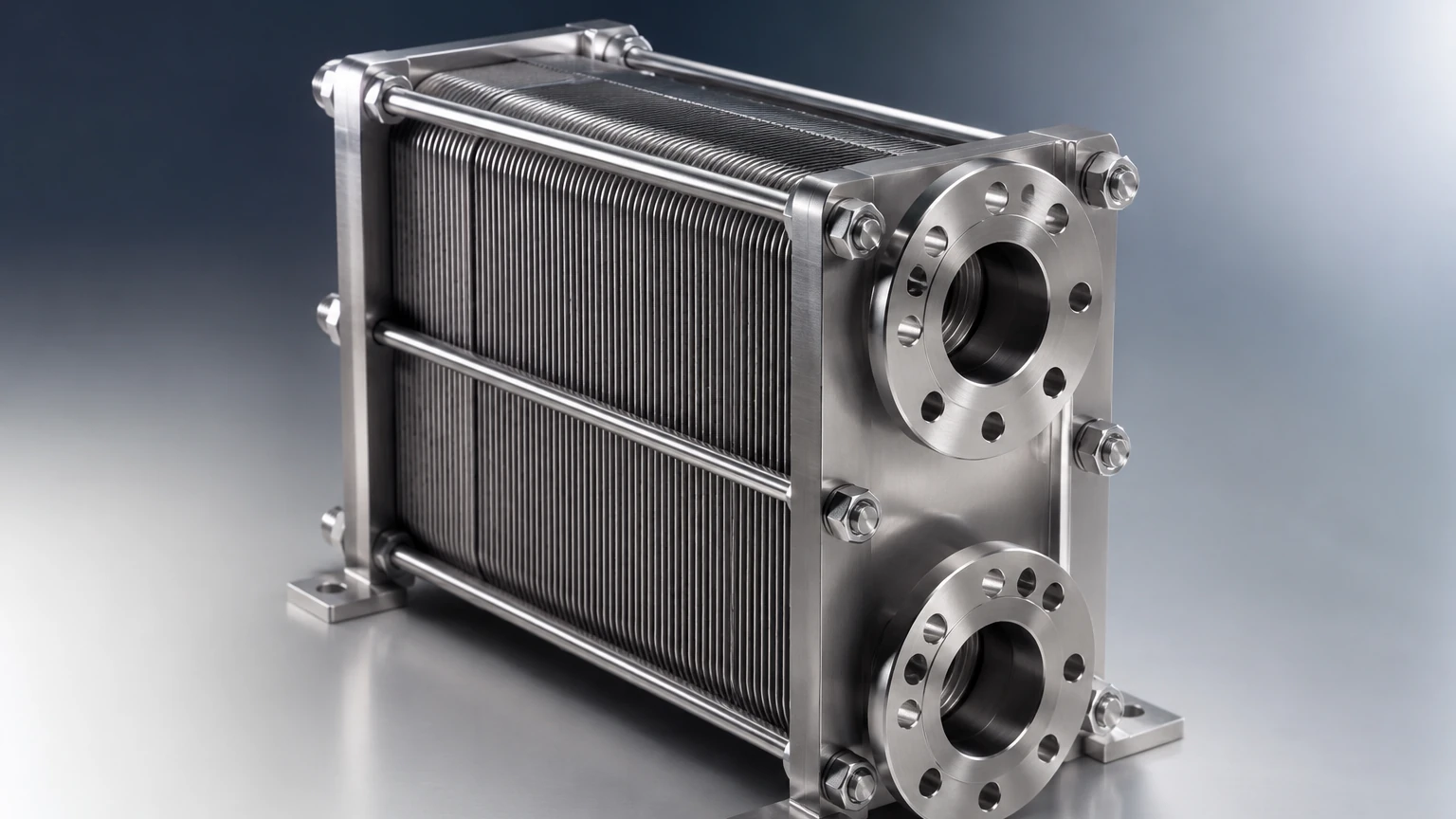
In industrial thermal management, the gas to gas heat exchanger serves as a critical component for energy recovery, emission control, and process optimization. These systems are designed to transfer thermal energy between two gaseous streams while maintaining a physical barrier to prevent cross-contamination. However, the efficiency of a gas to gas heat exchanger is inextricably linked to the purity of the gas streams involved. Particulate matter, corrosive byproducts, and aerosols can significantly degrade heat transfer performance and lead to premature equipment failure.
For engineers and plant managers, understanding the synergy between heat exchange technology and high-precision filtration is essential. This guide explores the technical foundations of gas to gas heat exchangers, the engineering challenges associated with gas stream conditioning, and the selection criteria necessary for maintaining long-term operational efficiency.
Technical Principles of Gas to Gas Heat Exchangers
A gas to gas heat exchanger operates on the principle of conductive and convective heat transfer. Unlike liquid-to-liquid exchangers, gas-to-gas systems must account for the lower thermal conductivity and lower density of gases, which typically requires larger surface areas or enhanced turbulence to achieve desired heat transfer rates.
Recuperative vs. Regenerative Systems
Industrial applications generally utilize two primary types of gas-to-gas exchange:
1. Recuperative Heat Exchangers: These involve a continuous flow where heat is transferred through a stationary solid wall (such as plates or tubes). Common designs include plate-fin exchangers and shell-and-tube configurations. These are preferred in applications where the two gas streams must remain strictly separated.
2. Regenerative Heat Exchangers: These utilize a thermal mass (matrix) that is alternately exposed to the hot and cold gas streams. While highly efficient, they often involve some level of cross-contamination, making them suitable for applications like preheating combustion air in power plants.
The Impact of Gas Velocity and Pressure Drop
In gas-to-gas applications, the pressure drop (ΔP) is a primary design constraint. Because gases are compressible and have low viscosity, excessive pressure drops can lead to high fan or blower power consumption, negating the energy savings gained from the heat recovery. Engineers must balance the need for high-velocity flow—which increases the heat transfer coefficient—against the energy costs of moving the gas through the exchanger and its associated filtration stages.
The Role of Filtration in Protecting Heat Exchange Surfaces
The primary threat to the longevity of a gas to gas heat exchanger is fouling. Fouling occurs when particulates, soot, or chemical deposits accumulate on the heat transfer surfaces. This accumulation creates an insulating layer that increases thermal resistance and restricts flow, leading to a precipitous drop in efficiency.
Preventing Surface Fouling
To maintain the design specifications of a heat exchanger, the incoming gas streams must be conditioned. This is where precision stainless steel filtration components become indispensable. By utilizing wire mesh filters or sintered metal cartridges, operators can remove fine particulates before they reach the heat exchanger's narrow passages.
Kaifil specializes in manufacturing custom stainless steel filtration solutions designed to withstand the high temperatures and corrosive environments often found in gas-to-gas heat recovery circuits. Integrating these filters ensures that the heat exchanger surfaces remain clean, maintaining the predicted U-value (overall heat transfer coefficient) throughout the maintenance cycle.
Erosion and Corrosion Mitigation
High-velocity gas streams carrying abrasive particles can cause physical erosion of heat exchanger tubes or plates. Furthermore, if the gas contains corrosive elements like sulfur oxides (SOx) or chlorides, the presence of particulates can catalyze localized corrosion. Implementing robust filtration at the inlet protects the structural integrity of the heat exchanger, extending the mean time between failures (MTBF).
Engineering Considerations for Gas Stream Conditioning
When designing or retrofitting a system involving a gas to gas heat exchanger, several engineering factors must be addressed to ensure the filtration system and the heat exchanger work in harmony.
Temperature and Material Compatibility
Gas-to-gas heat recovery often involves exhaust gases exceeding 300°C (572°F). Standard polymer-based filters are unsuitable for these temperatures. Stainless steel (304, 316L) and high-nickel alloys are the industry standard for these applications. These materials offer the necessary mechanical strength and oxidation resistance to maintain filtration integrity at extreme temperatures.
Micron Rating and Filtration Efficiency
The required filtration fineness depends on the heat exchanger's geometry. Plate-fin exchangers, with their narrow channels, require much finer filtration (often down to 5-10 microns) compared to large-diameter shell-and-tube designs. Engineers must specify a micron rating that captures the specific particle size distribution of the process gas without creating an unsustainable pressure drop.
Customization for Specific Flow Profiles
Off-the-shelf filtration solutions rarely meet the precise needs of specialized industrial gas streams. Custom-engineered filter elements allow for the optimization of the surface area-to-volume ratio. For instance, pleated stainless steel cartridges can provide significantly more filtration area within a compact housing, which is vital for high-volume gas streams where space is limited.
Common Risks and Mitigation Strategies
Operating a gas to gas heat exchanger without adequate protection or monitoring introduces several operational risks:
* Thermal Stress and Fatigue: Uneven fouling can lead to non-uniform temperature distributions across the heat exchanger, causing localized thermal expansion and mechanical stress. This often results in cracked welds or tube-to-tubesheet leaks. Consistent filtration ensures uniform gas distribution and temperature profiles.
* Dew Point Corrosion: In flue gas reheating applications, if the gas temperature drops below the acid dew point, corrosive liquids can condense on the surfaces. If these surfaces are already fouled with dust, the resulting "sludge" is extremely difficult to remove and highly corrosive. Effective pre-filtration reduces the sites where these corrosive deposits can take hold.
* Increased Operational Costs: As fouling increases, the system must work harder to maintain throughput. This leads to higher energy consumption and more frequent shutdowns for manual cleaning, which often involves harsh chemicals or high-pressure washing that can damage delicate heat exchange fins.
To mitigate these risks, engineers should implement differential pressure monitoring across both the filtration stage and the heat exchanger. A sudden rise in ΔP across the filter indicates it is performing its job by capturing contaminants, while a rise across the heat exchanger suggests that the filtration efficiency may need to be tightened.
Selection Criteria for Industrial Engineers
Before finalizing a procurement strategy for a gas to gas heat exchanger or its protective filtration components, the following technical data must be confirmed:
1. Gas Composition: Identify the presence of corrosive gases, moisture content, and the chemical nature of the particulates (e.g., sticky, abrasive, or combustible).
2. Flow Rate and Dynamics: Determine the minimum and maximum flow rates to ensure the filtration system can handle peak loads without excessive velocity, which could lead to particle bypass.
3. Allowable Pressure Budget: Define the maximum permissible pressure drop for the entire circuit, allocating specific portions to the filter and the heat exchanger.
4. Cleaning Requirements: Evaluate whether the process allows for offline cleaning or if a duplex filtration system is required for continuous operation.
By addressing these factors, purchasing teams can move beyond commodity-level components and invest in solutions that offer a lower total cost of ownership (TCO).
Conclusion
The efficiency of a gas to gas heat exchanger is a cornerstone of modern industrial sustainability, yet it remains vulnerable to the realities of industrial gas streams. High-performance stainless steel filtration is not merely an accessory but a fundamental requirement for protecting these capital-intensive assets. Through precise material selection, customized engineering, and a thorough understanding of gas dynamics, manufacturers can achieve reliable thermal recovery even in the most demanding environments.
For technical professionals seeking to optimize their filtration infrastructure, reviewing specialized product options and application support is the next logical step in ensuring the longevity of their thermal management systems. Detailed specifications on stainless steel filter cartridges and custom wire mesh solutions can be found on the Main Page of the Kaifil technical resource center, providing the data necessary for informed engineering decisions.
