


Mechanical Screen Wastewater
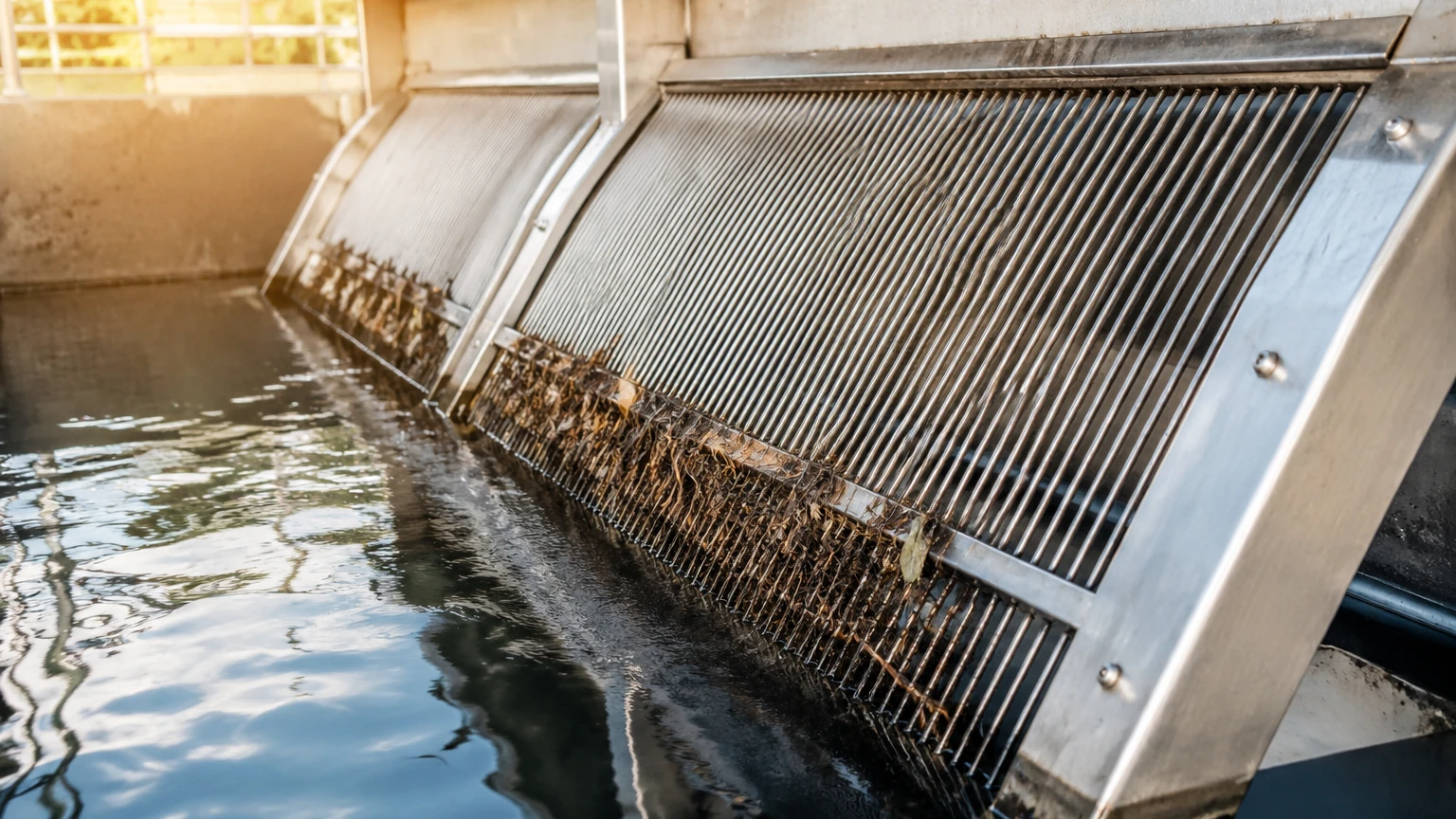
Mechanical screening represents the initial and perhaps most critical stage in both municipal and industrial wastewater treatment. As a physical unit operation, the primary objective of a mechanical screen wastewater system is to remove large solids, debris, and fibrous materials that could otherwise damage downstream equipment, obstruct piping, or interfere with delicate biological and chemical treatment processes. For engineers and facility managers, selecting the appropriate screening technology requires a deep understanding of hydraulic dynamics, material science, and the specific characteristics of the influent stream.
In industrial contexts—ranging from food processing and pharmaceuticals to chemical manufacturing—the demands on mechanical screens are significantly higher than in standard municipal applications. Factors such as pH extremes, high-temperature effluents, and the presence of abrasive particulates necessitate a robust approach to filter design and material selection. This guide examines the technical nuances of mechanical screening, focusing on engineering considerations that ensure long-term operational efficiency and equipment protection.
The Fundamental Role of Mechanical Screening in Wastewater Management
The implementation of a mechanical screen wastewater process serves as the "first line of defense." By capturing solids at the headworks, these systems prevent the accumulation of debris in aeration tanks, digesters, and secondary clarifiers. Without effective screening, pumps are susceptible to clogging and premature wear, while the overall efficiency of the treatment plant is compromised by the presence of non-biodegradable materials.
From a technical perspective, screening is categorized by the size of the openings in the screen media. Coarse screens typically feature openings larger than 6mm (0.25 inches), while fine screens range from 0.5mm to 6mm. For specialized industrial applications requiring high-purity effluent or the recovery of valuable byproducts, micro-screens with openings smaller than 0.5mm are employed. The choice between these categories depends on the downstream process requirements and the nature of the solids being targeted.
Engineering Parameters for Mechanical Screen Selection
When specifying a mechanical screen for wastewater applications, engineers must evaluate several hydraulic and physical parameters to ensure the system can handle peak loads without excessive head loss or bypass.
1. Hydraulic Loading and Flow Velocity
The approach velocity—the speed at which wastewater reaches the screen—must be carefully managed. If the velocity is too low, solids may settle in the channel before reaching the screen. If it is too high, solids may be forced through the screen openings, or the increased pressure may cause structural deformation of the screen media. Typically, an approach velocity of 0.3 to 0.6 meters per second (m/s) is maintained. The velocity through the screen openings (velocity-through-bars) should generally not exceed 0.9 m/s to prevent the "extruding" of soft solids through the mesh.
2. Head Loss and Differential Pressure
Head loss refers to the drop in water level across the screen. As the screen captures solids, the effective open area decreases, leading to an increase in differential pressure. Mechanical screens must be designed to withstand the maximum expected head loss, particularly during storm events or high-production cycles in industrial plants. High-performance stainless steel filtration components are often preferred because they maintain structural integrity under these pressure differentials.
3. Screenings Volume and Characteristics
The volume of screenings produced is a function of the wastewater source. Industrial wastewater from a poultry processing plant, for example, will have a vastly different screenings profile (feathers, fats, proteins) compared to a textile mill (fibers, dyes). Understanding the "blindage" or blinding potential of the solids is essential. Sticky or greasy solids require screens with specialized cleaning mechanisms, such as high-pressure spray bars or mechanical brushes, to maintain the open area.
Material Science: The Importance of Stainless Steel in Filtration
The environment within a mechanical screen wastewater system is inherently corrosive. The presence of hydrogen sulfide (H2S), organic acids, and various industrial chemicals can rapidly degrade inferior materials. Therefore, material selection is a primary factor in the total cost of ownership (TCO) and the replacement cycle of the filter components.
Stainless Steel 304 vs. 316L
Stainless steel is the industry standard for mechanical screens due to its excellent strength-to-weight ratio and corrosion resistance. Grade 304 is suitable for many general wastewater applications; however, in environments with high chloride concentrations or extreme pH levels—common in chemical processing and coastal treatment plants—Grade 316L is required. The addition of molybdenum in 316L provides superior resistance to pitting and crevice corrosion.
Wire Mesh and Perforated Media
The choice of filter media—whether woven wire mesh, wedge wire, or perforated plate—affects both filtration accuracy and the ease of cleaning.
- Wedge Wire: Highly favored for mechanical screens due to its non-clogging V-shaped profile. It provides a high percentage of open area and is easy to clean with backwashing or mechanical scrapers.
- Woven Wire Mesh: Offers precise filtration ratings and is ideal for fine and micro-screening. In industrial settings, multi-layer sintered mesh can be used to provide both high filtration accuracy and the mechanical strength needed to resist high-pressure flows.
For engineers looking to optimize their systems, consulting a specialist in custom stainless steel filtration can help in identifying the exact mesh count and wire diameter required for their specific solids-loading profile. Detailed product specifications and engineering support can be found at the Main Page of leading manufacturers.
Maintenance, Cleaning, and Replacement Cycles
The longevity of a mechanical screen wastewater system depends heavily on its cleaning mechanism. Screens are generally classified as either manually cleaned or mechanically cleaned. In modern B2B industrial environments, mechanically cleaned screens are standard to reduce labor costs and ensure consistent performance.
Cleaning Mechanisms
- Front-Cleaned, Front-Returned: The raking mechanism operates on the upstream side of the screen.
- Catenary Screens: Use a heavy chain-driven rake that is less prone to jamming by large objects.
- Continuous Belt Screens: Feature many small screen panels that form a continuous loop, providing high solids capture rates for fine screening.
Monitoring and Maintenance
Effective maintenance involves monitoring the differential pressure across the screen. Automated systems often trigger a cleaning cycle once a specific head loss threshold is reached. Engineers should also perform regular inspections for "media bypass," where solids escape through gaps in the frame or damaged sections of the mesh. Replacement cycles for the screen media vary based on the abrasiveness of the wastewater; however, high-quality stainless steel components can often last several years before requiring significant refurbishment.
Customization and OEM Solutions for Industrial Applications
Off-the-shelf screening solutions often fall short in specialized industrial environments. For instance, a pharmaceutical plant producing fine chemical precipitates requires a different filtration approach than a municipal headworks. Customization allows for the optimization of the filter’s geometry, mounting interface, and filtration rating.
Engineering for Specific Applications
Customized mechanical screens can be engineered to handle:
- High-Temperature Effluents: Utilizing specialized alloys and thermal-stress-relieved welding techniques.
- Variable Flow Rates: Designing screen panels that can be easily swapped or adjusted to accommodate seasonal changes in production volume.
- Space Constraints: Developing compact, high-capacity drum screens or disc filters for facilities with limited floor space.
By working with a manufacturer that specializes in OEM filtration components, purchasing teams can ensure that the replacement parts meet the exact specifications of the original equipment, thereby maintaining the system's performance integrity. This is particularly important when dealing with precision metal filter components where tolerances are measured in microns.
Total Cost Considerations in Mechanical Screening
When evaluating mechanical screen wastewater solutions, the initial purchase price is only one component of the total cost. Engineers must also account for:
- Energy Consumption: The power required to operate rakes, belts, and spray pumps.
- Screenings Handling: The cost of dewatering, transporting, and disposing of the captured solids.
- Downtime: The economic impact of process interruptions caused by screen failure or blinding.
- Durability: The frequency of replacement for wear parts and filter media.
Investing in high-grade stainless steel filtration solutions often results in a lower TCO because these materials resist the degradation that leads to frequent maintenance and premature failure. Furthermore, precise filtration reduces the burden on downstream biological systems, potentially lowering chemical usage and aeration costs.
Conclusion
Mechanical screen wastewater systems are vital components of modern industrial infrastructure. By selecting the right combination of screen type, aperture size, and material grade, engineers can protect their downstream assets and ensure compliance with environmental regulations. As industrial processes become more complex, the need for high-performance, customized filtration components continues to grow. For technical professionals and purchasing teams, focusing on engineering fundamentals and material quality is the most reliable path to achieving efficient and cost-effective wastewater treatment.
For more information on high-performance stainless steel filter cartridges, wire mesh filters, and custom filtration components, visit the Main Page to explore technical specifications and application-specific solutions.
