


Woven Wire Fence Installation Cost Per Foot: An Industrial Engineering Perspective
In industrial facility management and infrastructure planning, the selection of perimeter security and internal partitioning materials is a critical decision that impacts both capital expenditure (CAPEX) and operational expenditure (OPEX). When evaluating the woven wire fence installation cost per foot, engineers and purchasing teams must look beyond the initial purchase price of the mesh. The total cost is a function of material grade, technical specifications, structural requirements, and the specific environmental challenges of the installation site.
Industrial-grade Woven Wire Mesh provides a level of durability and precision that standard commercial fencing cannot match. Whether the application involves securing a chemical processing plant, creating hygienic partitions in a food and beverage facility, or protecting sensitive hydraulic equipment, understanding the cost drivers is essential for accurate budgeting and long-term performance.
Understanding the Variables of Woven Wire Fence Installation Cost Per Foot
The "cost per foot" for an industrial woven wire installation is rarely a static figure. It is influenced by a complex interplay of material science and mechanical engineering. For a B2B procurement process, the cost is typically broken down into three primary categories: material costs (the mesh itself), structural components (posts, frames, and hardware), and labor (installation and specialized welding).
Standard agricultural or residential woven wire might range significantly lower in price, but these materials lack the tensile strength and corrosion resistance required for industrial environments. For heavy-duty applications, the use of stainless steel—specifically Plain, twill and dutch woven wire mesh in SS304/316L — rolls, cut mesh and framed panels. Send mesh count or micron target for a technical quote.—is the industry standard. While the upfront investment is higher, the cost per foot over the lifecycle of the installation is often lower due to reduced maintenance and replacement frequency.
Material Selection: The Impact of Stainless Steel Grades on Project Budget
The most significant driver of the woven wire fence installation cost per foot is the alloy selection. In industrial settings, the choice usually narrows down to Stainless Steel 304 (SS304) or Stainless Steel 316 (SS316/316L).
Stainless Steel 304 (SS304)
SS304 is the most common grade used in industrial mesh. It offers excellent durability and good corrosion resistance for most indoor and non-coastal outdoor applications. In terms of cost, SS304 provides a balanced middle ground, making it suitable for large-scale perimeter fencing where extreme chemical exposure is not a primary concern.
Stainless Steel 316 (SS316L)
For facilities located near the ocean or those involved in chemical processing and pharmaceutical manufacturing, SS316 is mandatory. The addition of molybdenum enhances resistance to pitting and chloride-induced corrosion. While SS316 can increase the material cost per foot by 20% to 40% compared to SS304, it prevents premature structural failure in aggressive environments, thereby protecting the initial installation investment.
Technical Specifications: Wire Diameter, Mesh Count, and Structural Performance
When engineers specify Woven Wire Mesh for fencing or partitions, two technical parameters dictate the price and performance: wire diameter and mesh count.
1. Wire Diameter (Gauge): Thicker wire increases the weight of the mesh per square foot. Since stainless steel is priced by weight, increasing the wire diameter for higher security or impact resistance directly correlates with a higher woven wire fence installation cost per foot. However, thicker wire also provides better structural integrity, allowing for wider post spacing, which can partially offset costs by reducing the number of support posts required.
2. Mesh Count (Aperture Size): The mesh count refers to the number of openings per linear inch. A higher mesh count (smaller openings) requires more wire and more complex weaving time on the loom. For security fencing, a smaller aperture prevents climbing and the passage of small objects, but it also increases the wind load on the structure. Engineers must calculate the optimal balance between security needs and the structural cost of the support system.
Installation Engineering: Labor and Structural Requirements
The physical installation of industrial woven wire is a precision task. Unlike flexible chain-link fencing, high-tensile woven mesh requires specific tensioning techniques and robust framing to remain effective.
Framing and Support Systems
In many B2B applications, the mesh is not simply stapled to posts. It is often integrated into framed panels or secured with specialized tensioning bars. Framed panels offer the highest level of security and aesthetic uniformity but increase the installation cost per foot due to the additional fabrication labor and material. For large perimeters, a tensioned system using heavy-duty steel posts is more common. The depth and diameter of the post footings—often dictated by local frost lines and soil conditions—are hidden costs that must be accounted for in the initial quote.
Specialized Labor
Installing stainless steel mesh often requires specialized skills, particularly if on-site welding is involved. Stainless steel welding requires specific filler metals and shielding gases to maintain the corrosion-resistant properties of the alloy. Utilizing experienced crews ensures that the mesh is not damaged during tensioning and that all fasteners are compatible with the base material to prevent galvanic corrosion.
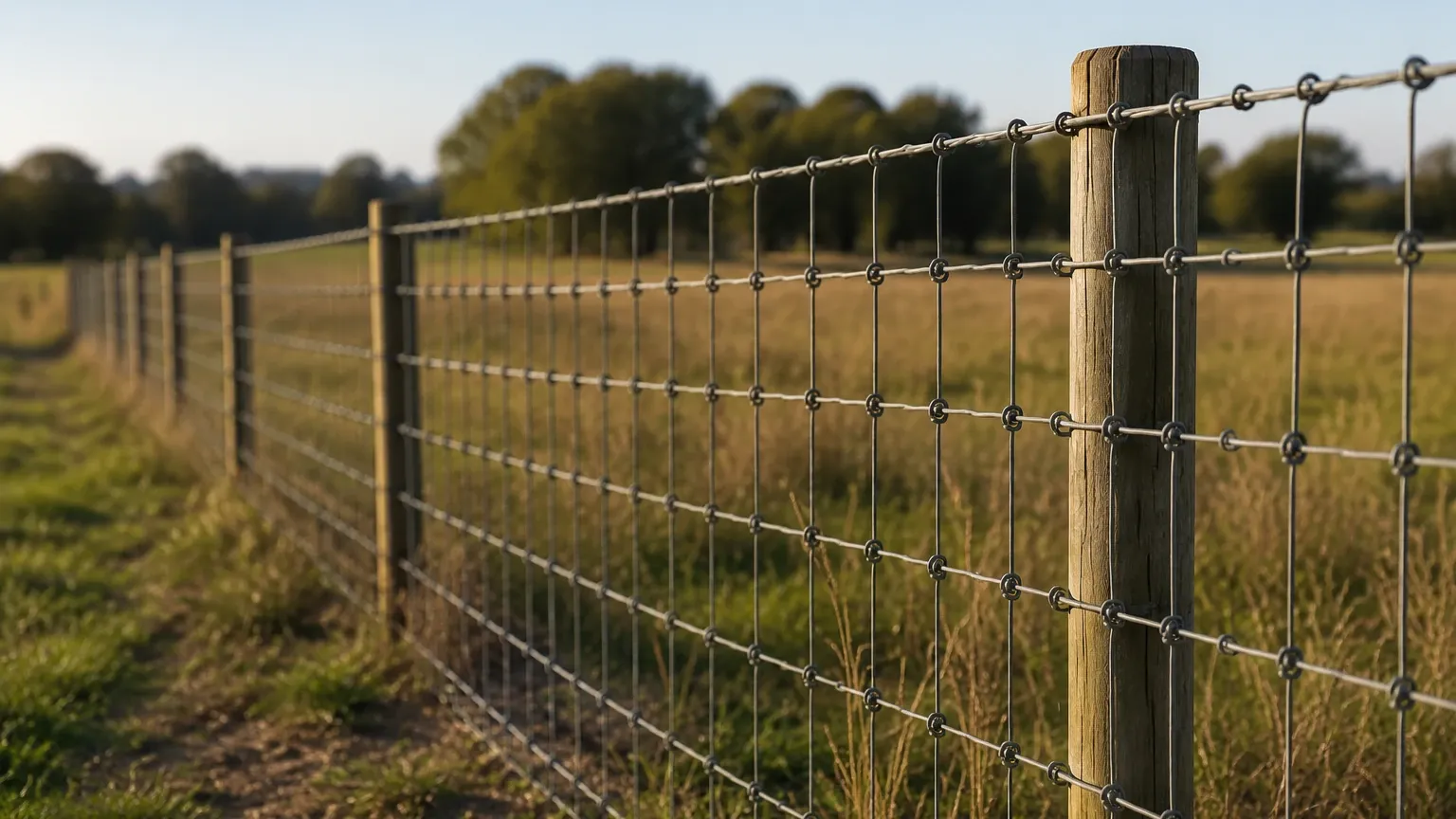
Evaluating Total Cost of Ownership (TCO) in Corrosive Environments
A critical mistake in procurement is focusing solely on the initial woven wire fence installation cost per foot. In industrial sectors like water treatment or chemical manufacturing, the Total Cost of Ownership (TCO) provides a more accurate financial picture.
Consider a facility that chooses galvanized steel to save on initial costs. In a high-humidity or chemically active environment, galvanized steel may begin to show signs of oxidation within 3 to 5 years, requiring costly repairs or total replacement. In contrast, a high-quality stainless steel Woven Wire Mesh installation can last 20 to 30 years with minimal maintenance. When the cost of downtime, labor for replacement, and material disposal are factored in, the more expensive stainless steel option often emerges as the most cost-effective solution over a ten-year horizon.
Customization and OEM Considerations for Specialized Industrial Barriers
Many industrial projects require customization that standard fencing suppliers cannot provide. This is where working with a specialized manufacturer like Kaifil becomes advantageous. Customization options that influence the final cost include:
* Custom Roll Widths: Minimizing waste by ordering mesh in the exact height required for the project.
* Edge Treatments: Specifying finished edges (selvage) to improve safety and ease of installation in framed systems.
* Variable Weave Patterns: Utilizing plain or twill weaves depending on the required rigidity and aesthetic requirements.
By sourcing directly from a manufacturer capable of providing Plain, twill and dutch woven wire mesh in SS304/316L — rolls, cut mesh and framed panels. Send mesh count or micron target for a technical quote., purchasing teams can eliminate middleman markups and ensure that the material meets the exact engineering specifications of the project.
Final Considerations Before Purchasing
Before finalizing a project plan and calculating the woven wire fence installation cost per foot, engineers should confirm several key details with their supplier:
* Material Certification: Ensure the stainless steel meets ASTM or international standards for alloy composition.
* Load Requirements: Calculate the potential wind load or impact load the mesh must withstand.
* Compatibility: Verify that all fasteners, posts, and framing materials are compatible with the mesh grade to avoid localized corrosion.
* Lead Times: Industrial-grade mesh, especially custom specifications, may have longer lead times than standard stock items. Planning for this avoids expedited shipping costs.
By taking a technical, data-driven approach to selection, industrial firms can ensure their woven wire installation provides the necessary security and durability while optimizing the total investment. Whether for perimeter protection or internal process partitioning, the right choice in mesh specification is the foundation of a successful installation.
Download Woven Wire Fence Installation Cost Per Foot as a PDF
