


Why Is Filson So Expensive
In the industrial filtration sector, procurement managers and engineers often face a significant price gap between budget-grade components and premium solutions from established manufacturers. When evaluating high-performance metal filters, a common question arises: why is filson so expensive? While the initial capital expenditure for premium filtration products—whether from Filson or specialized manufacturers like Kaifil—can be higher than generic alternatives, the cost is a direct reflection of engineering precision, material integrity, and long-term operational reliability.
For industrial applications in chemical processing, pharmaceuticals, and hydraulic systems, the filter is often the last line of defense for multi-million dollar machinery. Understanding the factors that contribute to the pricing of high-end filtration solutions helps technical teams move beyond simple price-per-unit comparisons and toward a more comprehensive evaluation of value and performance. You can explore a wide range of these high-performance solutions on our Main Page.
The Role of Material Science in Premium Pricing
One of the primary drivers behind the cost of high-quality industrial filters is the grade and origin of the raw materials. In the world of stainless steel filtration, not all alloys are created equal. Premium manufacturers typically utilize high-grade 304, 316, or 316L stainless steel, and in more demanding environments, specialized alloys like Hastelloy, Monel, or Inconel.
Corrosion Resistance and Alloy Purity
Lower-cost filters often use recycled or lower-purity alloys that may meet the basic chemical definition of stainless steel but lack the structural integrity required for high-pressure or corrosive environments. Premium filters prioritize 316L stainless steel due to its low carbon content, which significantly reduces the risk of intergranular corrosion after welding. When asking why is filson so expensive, one must consider that the cost of certified, high-purity raw materials is significantly higher than uncertified alternatives. These materials ensure that the filter will not contaminate the process fluid or fail prematurely due to chemical attack.
Structural Stability Under Extreme Temperatures
In industries like petrochemical refining or steam filtration, filters must maintain their pore structure and mechanical strength at temperatures exceeding 500°C. Premium manufacturers invest in materials that exhibit minimal thermal expansion and high creep resistance. This material stability prevents the bypass of contaminants, which is a common failure point in cheaper, less thermally stable filters.
Manufacturing Complexity and Precision Engineering
The process of transforming raw wire or powder into a precision filtration element is a highly technical endeavor. The manufacturing methods used by industry leaders are often more labor-intensive and require more advanced machinery than standard production lines.
Advanced Weaving and Sintering Techniques
High-end wire mesh filters utilize complex weave patterns such as Plain Dutch Weave (PDW) or Twilled Dutch Weave (TDW). These patterns provide a combination of high mechanical strength and fine filtration ratings. Achieving a consistent micron rating across a large surface area requires high-precision looms and rigorous tension control during the weaving process.
Furthermore, sintered metal filters—a staple in premium industrial filtration—undergo a process called solid-state diffusion bonding. This involves placing layers of wire mesh or metal powder in a high-temperature vacuum furnace. The heat causes the molecular structures to bond at every contact point without the use of binders or adhesives. This process is energy-intensive and requires precise timing and temperature control, but it results in a filter element that is virtually indestructible and maintains a fixed pore geometry under high differential pressure. This level of manufacturing sophistication is a key reason why is filson so expensive compared to simple pleated paper or low-grade mesh filters.
Precision Welding and Finishing
Every seam and end cap on a high-performance filter must be welded with extreme precision. Tungsten Inert Gas (TIG) welding or plasma welding is typically used to ensure clean, strong, and contaminant-free joints. Any imperfection in a weld can become a stress concentrator or a site for bacterial growth in food and beverage applications. Premium manufacturers also invest in post-production finishing, such as electropolishing, to create a smooth surface that resists fouling and is easier to clean.
Filtration Efficiency and Performance Consistency
In industrial B2B environments, the performance of a filter is measured by its ability to consistently meet a specific micron rating while maintaining an acceptable pressure drop. Cheap filters often have a wide distribution of pore sizes, meaning that while they may have a "nominal" rating of 10 microns, they may allow significantly larger particles to pass through.
Absolute vs. Nominal Ratings
Premium filters are usually rated as "absolute," meaning they have a capture efficiency of 99.9% or higher for particles at the stated micron size. Achieving an absolute rating requires much tighter tolerances during the manufacturing of the wire mesh or sintered media. When an engineer asks why is filson so expensive, the answer often lies in the reliability of the filtration barrier. In a hydraulic system, a single oversized particle can cause catastrophic wear on a pump or valve; a premium filter provides the insurance that such particles are effectively removed.
Dirt Holding Capacity and Flow Rates
Engineering a filter that captures fine particles without immediately clogging requires a sophisticated internal structure. Premium filters are designed with optimized depth filtration characteristics, allowing them to hold more contaminants before reaching the terminal pressure drop. This results in longer service intervals and lower energy consumption for the pumps pushing fluid through the system. The research and development required to optimize these flow dynamics add to the initial cost but pay dividends in operational efficiency.
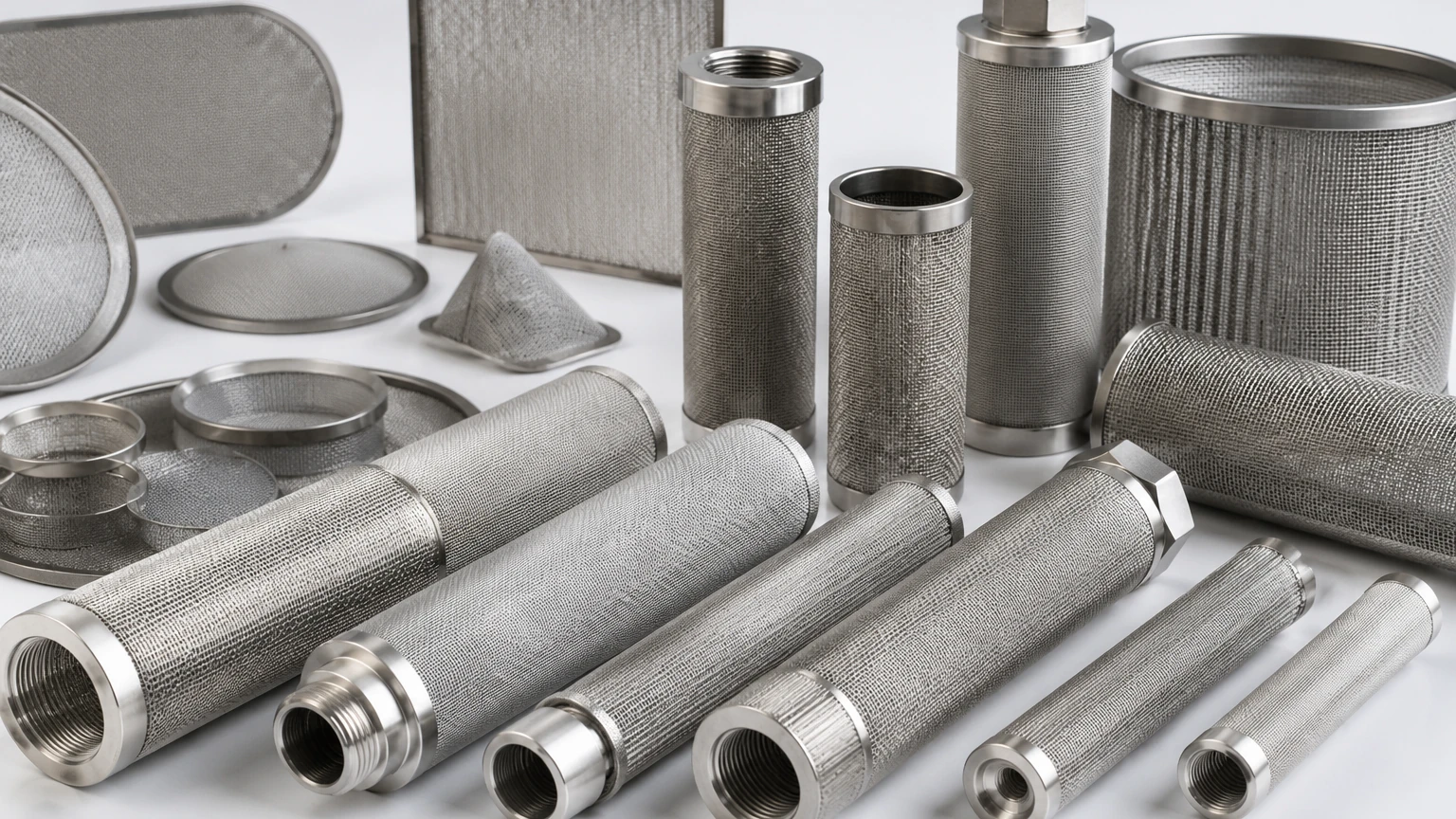
Customization and Technical Support
Unlike off-the-shelf consumer products, industrial filters often need to be tailored to specific hardware or process conditions. A significant portion of the price of premium filtration solutions covers the engineering support and customization capabilities provided by the manufacturer.
Application-Specific Design
Manufacturers like Kaifil work closely with clients to design filters that fit existing housings, handle specific flow velocities, and withstand unique chemical compositions. This bespoke engineering involves CAD modeling, flow simulations, and sometimes the creation of custom tooling. When a supplier provides a solution that is guaranteed to work in a unique environment, the customer is paying for that expertise and the reduction of technical risk.
Quality Documentation and Traceability
In the pharmaceutical and aerospace industries, a filter is only as good as its documentation. Premium pricing often includes comprehensive material test reports (MTRs), certificates of conformance, and traceability back to the original heat of the steel. This level of transparency is essential for regulatory compliance and safety audits, and it requires a robust quality management system that budget suppliers simply do not maintain.
Total Cost of Ownership: The Economic Reality
To truly understand why is filson so expensive, one must look at the Total Cost of Ownership (TCO) rather than the purchase price. In a B2B context, the most expensive filter is the one that fails, causes unscheduled downtime, or requires frequent replacement.
Longevity and Cleanability
Stainless steel filters from high-end manufacturers are designed to be cleaned and reused multiple times. Through ultrasonic cleaning, backwashing, or chemical steeping, these elements can be restored to near-original performance levels. A single premium stainless steel cartridge might last for several years, whereas a cheaper disposable or low-quality metal filter might need replacement every few months. Over a five-year period, the premium filter is almost always the more cost-effective choice.
Protecting Downstream Assets
The primary function of a filter is to protect more expensive components. If a low-cost filter sheds fibers or allows bypass, the resulting damage to a high-pressure pump, a turbine, or a sensitive chemical reactor can cost hundreds of thousands of dollars in repairs and lost production. The "premium" paid for a high-quality filter is, in effect, a low-cost insurance policy against system-wide failure.
How to Evaluate Filtration Suppliers
When choosing between different filtration options, engineers should look beyond the brand name and focus on technical specifications and manufacturing capabilities. A reliable supplier should be able to provide detailed information on:
* Micron Rating and Efficiency: Is the rating absolute or nominal? What test standard was used (e.g., ISO 16889)?
* Material Certification: Can the supplier provide MTRs for the specific alloy used?
* Pressure Ratings: What is the maximum collapse pressure and operating differential pressure?
* Cleaning Protocols: What are the recommended cleaning methods, and how many cycles can the filter withstand?
By focusing on these factual boundaries, purchasing teams can make informed decisions that balance performance requirements with budgetary constraints. While the question of why is filson so expensive is valid, the focus should remain on whether the filter meets the technical demands of the application.
For those seeking reliable, custom-engineered filtration components that prioritize durability and precision, Kaifil offers a range of solutions designed to meet the most demanding industrial standards. From wire mesh filters to complex sintered cartridges, our engineering team ensures that every product delivers maximum value over its entire service life. To learn more about our manufacturing processes and product specifications, please visit our Main Page.
