


Sparger Pipe
In industrial process engineering, the efficient introduction of gas into a liquid medium is a fundamental requirement for a wide range of chemical, biological, and mechanical operations. The sparger pipe serves as the critical interface in this gas-liquid mass transfer process. Unlike simple injection tubes, a high-performance sparger pipe is engineered to control bubble size, distribution, and velocity, directly influencing the reaction kinetics and overall efficiency of the system. For engineers and procurement specialists, selecting the correct sparger configuration involves a deep understanding of fluid dynamics, material science, and the specific demands of the application environment.
The Engineering Principles of Gas-Liquid Sparging
The primary function of a sparger pipe is to maximize the surface area of the gas being introduced into a liquid. This is governed by the principles of mass transfer, where the rate of gas absorption or reaction is proportional to the total interfacial area between the two phases.
When gas is forced through a sparger, it breaks into bubbles. The size of these bubbles is determined by the orifice size of the sparger, the surface tension of the liquid, and the gas flow velocity. In many industrial applications, smaller bubbles—often referred to as "fine bubbles"—are preferred because they provide a significantly higher surface-area-to-volume ratio compared to larger bubbles. Furthermore, smaller bubbles have a lower rise velocity, increasing the residence time within the liquid and allowing more time for the gas to dissolve or react.
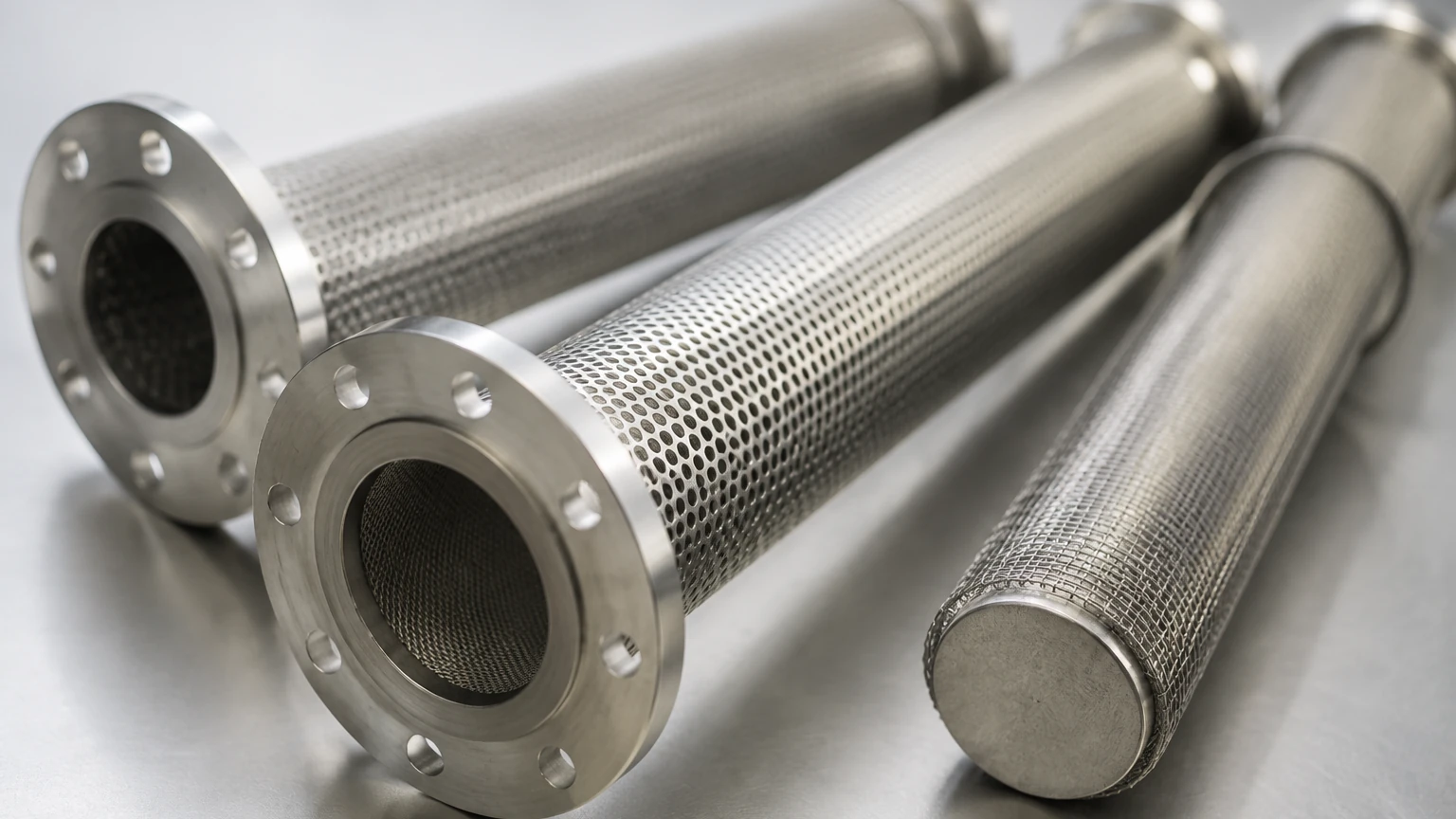
However, achieving fine bubble distribution requires a sparger pipe with precise porosity. While drilled pipes are common for simple agitation, porous metal spargers, often manufactured from sintered stainless steel, provide millions of microscopic pores. This allows for a uniform distribution of gas across the entire surface of the pipe, preventing the "slugging" or large-bubble formation often seen in less sophisticated designs.
Material Selection and Structural Integrity
Industrial filtration and gas injection components must withstand harsh environments, including corrosive chemicals, high temperatures, and significant pressure differentials. Stainless steel, particularly Grade 316L, is the industry standard for sparger pipe construction due to its excellent corrosion resistance and mechanical strength.
For specialized applications, other alloys may be utilized, but 316L remains the most versatile for food and beverage, pharmaceutical, and general chemical processing. The structural integrity of the sparger is paramount; it must resist the mechanical stresses of high-velocity gas flow and the potential for "vibration fatigue" caused by the turbulence of gas exiting the pores.
When evaluating a sparger pipe, engineers must consider the following material factors:
* Chemical Compatibility: The alloy must be resistant to both the liquid medium and the gas being injected (e.g., ozone, oxygen, or steam).
* Temperature Limits: Sintered metal spargers maintain their structural properties at temperatures that would compromise polymer-based alternatives.
* Pressure Rating: The pipe must be able to handle the internal pressure required to overcome the liquid head pressure and the resistance of the porous media.
Design Considerations for Sparger Pipe Systems
Designing an effective sparging system goes beyond the pipe itself; it requires an integrated approach to the vessel and the process flow. One of the most common challenges is the "pressure drop" ($ΔP$) across the sparger element. A higher pressure drop usually indicates finer pores and better gas distribution, but it also requires more energy from the gas compressor or blower.
Pore Size and Bubble Dynamics
In precision applications, the pore size of the sparger pipe is specified in microns. A 0.5-micron sparger will produce much finer bubbles than a 10-micron sparger, but it will also be more susceptible to fouling if the gas or liquid contains particulate matter. Engineers must balance the need for mass transfer efficiency with the operational reality of maintenance cycles.
Velocity and Jetting
If the gas exit velocity is too high, bubbles may coalesce immediately upon leaving the sparger surface, forming larger bubbles and defeating the purpose of the precision pores. This phenomenon, known as "jetting," is avoided by sizing the sparger pipe surface area correctly relative to the required gas flow rate. A larger surface area allows for a lower flux (gas flow per unit area), ensuring discrete bubble formation.
Applications Across Industrial Sectors
The versatility of the sparger pipe makes it a staple in numerous sectors. Each industry has unique requirements for filtration accuracy and sanitary standards.
Chemical and Petrochemical Processing
In these environments, spargers are used for oxidation, hydrogenation, and carbonylation. The ability of a stainless steel sparger pipe to operate under high pressure and temperature while resisting aggressive solvents is essential. Precision sparging ensures that expensive catalyst materials are utilized efficiently by providing a consistent gas-liquid interface.
Food and Beverage Production
Carbonation and nitrogenation are the primary uses here. Whether it is injecting CO2 into beer or soft drinks, or nitrogen into oils to prevent oxidation, the sparger must meet strict sanitary standards. Sintered metal components are ideal because they can be cleaned using standard CIP (Clean-in-Place) procedures and do not shed fibers or particles into the product.
Pharmaceutical and Biotechnology
In bioreactors and fermentation tanks, the sparger pipe provides the oxygen necessary for microbial or cell growth. Because these processes are highly sensitive, the sparger must provide uniform aeration without creating excessive shear stress that could damage delicate cells. The use of high-purity stainless steel ensures that no contaminants are introduced into the batch.
Water and Wastewater Treatment
Ozone sparging is a powerful method for disinfection and the removal of organic pollutants. Because ozone is a highly reactive gas, the sparger pipe must be made of materials that will not degrade. Fine bubble spargers are also used for aeration in aerobic digesters to maintain dissolved oxygen levels for biological treatment.
Customization and OEM Integration
No two industrial processes are identical, which is why customization is a core component of effective filtration and sparging solutions. A standard off-the-shelf sparger pipe may not fit the specific geometry of a reaction vessel or meet the exact micron requirements of a sensitive chemical process.
Customization options typically include:
* Fitting Types: NPT threaded ends, flanges, or sanitary tri-clamp fittings for easy installation and removal.
* Geometric Configurations: Beyond simple straight pipes, spargers can be designed as rings, crosses, or complex manifolds to ensure even gas distribution in large tanks.
* Reinforced Structures: For high-vibration environments, internal supports or thicker wall sections can be engineered to extend the service life of the component.
For those seeking specific technical data or customized designs, you can review product options and application support on our Main Page.
Maintenance, Cleaning, and Longevity
The longevity of a sparger pipe is largely dependent on the cleanliness of the gas and liquid phases. Over time, pores can become clogged with mineral scale, biological growth, or fine particulates. Fouling increases the pressure drop and can lead to uneven gas distribution.
Cleaning Protocols
To maintain performance, a regular cleaning schedule should be established. Common methods include:
1. Backwashing: Reversing the flow of fluid through the sparger to dislodge particles from the pores.
2. Chemical Cleaning: Using acids, bases, or specialized surfactants to dissolve scale or organic deposits. This is highly effective for stainless steel components.
3. Ultrasonic Cleaning: For heavily fouled sintered metal spargers, ultrasonic baths can provide deep cleaning by using high-frequency sound waves to create cavitation bubbles that scrub the internal pore structures.
Monitoring Performance
Engineers should monitor the differential pressure across the sparger. A steady increase in $ΔP$ at a constant flow rate is a clear indicator that the sparger requires cleaning. By addressing fouling early, the risk of permanent pore blockage or structural damage is minimized.
Selecting a Reliable Manufacturing Partner
When sourcing a sparger pipe, the technical expertise of the manufacturer is as important as the hardware itself. A professional manufacturer like Kaifil understands the nuances of stainless steel filtration and gas diffusion. From selecting the appropriate micron rating to ensuring the mechanical stability of the final assembly, the manufacturer should act as a technical resource for the engineering team.
Key questions to ask a supplier include:
* What is the maximum allowable pressure for this specific sparger design?
* Can you provide flow-rate vs. pressure-drop curves for different gases?
* What certifications (such as ISO or food-grade compliance) are available for the materials used?
* How does the manufacturing process ensure uniform pore distribution across the entire length of the pipe?
By focusing on these technical details, purchasing teams can ensure they are investing in a solution that provides long-term reliability and optimized process performance. Whether the application involves simple tank agitation or complex pharmaceutical fermentation, the right sparger pipe is a vital component in achieving consistent, high-quality results. For more information on custom filtration and sparging components, visit the Main Page to explore our engineering capabilities.
