


High-capacity Self-cleaning Filter
In modern industrial processing, the requirement for continuous operation without downtime is a primary engineering objective. Traditional filtration systems often necessitate periodic shutdowns for manual cleaning or cartridge replacement, which can lead to significant production losses and increased labor costs. A high-capacity self-cleaning filter addresses these challenges by providing an automated mechanism to remove accumulated contaminants while maintaining a steady flow of process fluid. For industries ranging from chemical processing to large-scale water treatment, these systems are essential for protecting downstream equipment and ensuring product consistency.
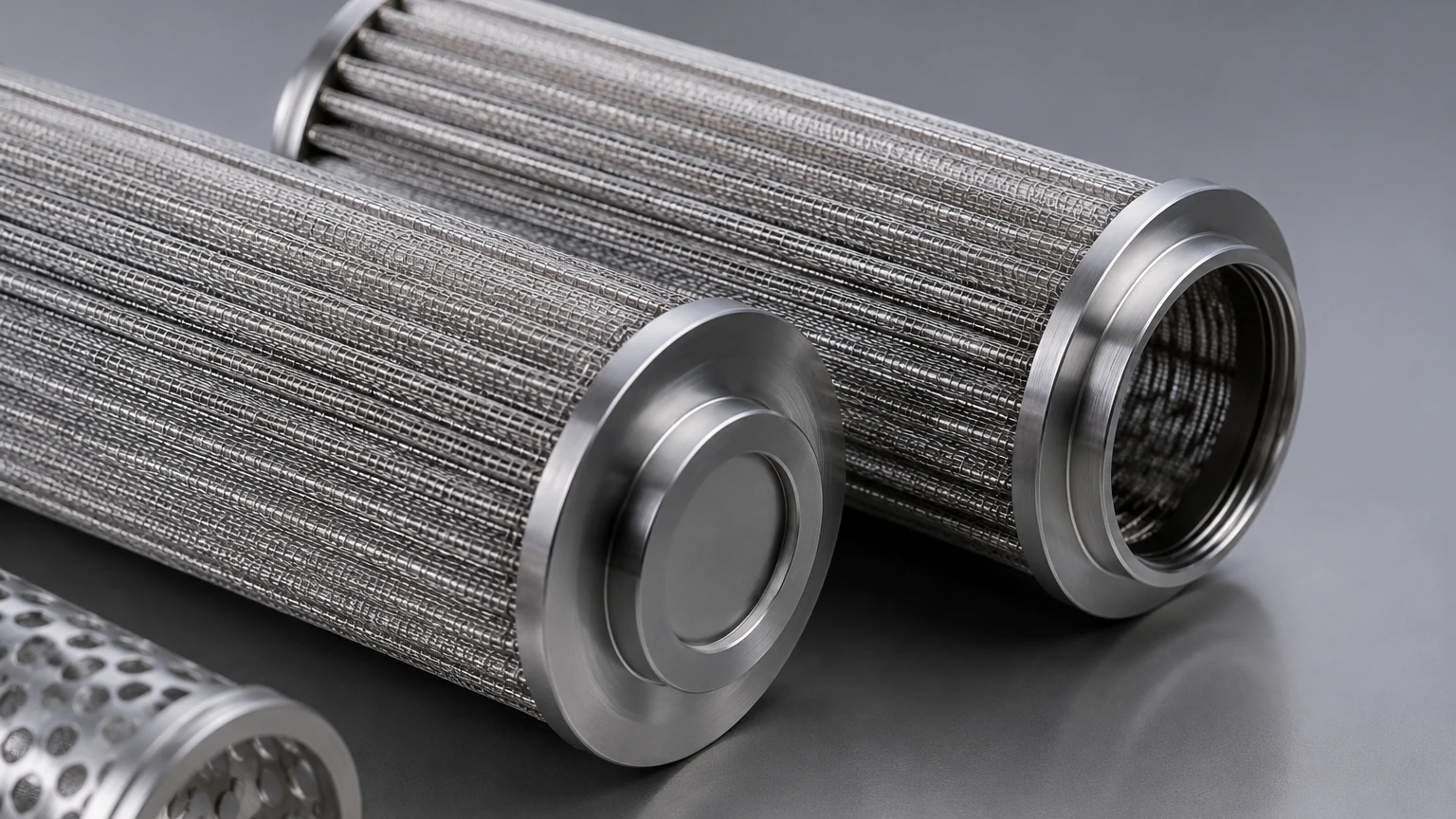
Kaifil specializes in the engineering and manufacture of stainless steel filtration components that form the core of these advanced systems. By focusing on material integrity and precision manufacturing, Kaifil provides the foundational elements required for high-performance industrial filtration. Understanding the technical nuances of these filters is critical for engineers tasked with optimizing plant efficiency and reducing the total cost of ownership.
Understanding High-capacity Self-cleaning Filtration Systems
A high-capacity self-cleaning filter is designed to handle large volumes of liquid while managing a high load of suspended solids. Unlike static filters, these units utilize an internal cleaning mechanism—typically triggered by a differential pressure sensor or a timed interval—to clear the filter element of debris without interrupting the process flow.
The "high-capacity" designation usually refers to two factors: the volumetric flow rate the unit can sustain and the dirt-holding capacity of the internal elements. In industrial environments, flow rates can range from a few hundred to several thousand gallons per minute. To accommodate this, the filter housing and the internal stainless steel mesh must be engineered to minimize pressure drop while maximizing the effective filtration area.
The Self-Cleaning Mechanism
There are several common methods used to achieve self-cleaning functionality:
1. Backwashing (Reverse Flow): A portion of the filtered fluid is diverted to flow backward through a section of the filter element, dislodging particles into a waste manifold.
2. Mechanical Scraping: A brush or scraper blade moves across the surface of the filter screen, physically removing the cake layer and pushing it toward a discharge valve.
3. Suction Scanning: A nozzle moves across the interior surface of the screen, creating a localized high-velocity vacuum that sucks away debris.
Each of these methods relies on the durability of the filter medium, which is why precision-engineered stainless steel wire mesh or wedge wire is the industry standard for these applications.
Engineering Considerations for Industrial Integration
When integrating a high-capacity self-cleaning filter into an existing industrial circuit, several engineering parameters must be evaluated to ensure system compatibility and longevity.
Pressure Differential and Flow Dynamics
The primary indicator of filter performance is the pressure drop ($ΔP$) across the clean element. As contaminants build up, the $ΔP$ increases. For high-capacity systems, it is vital that the cleaning cycle is initiated before the pressure drop reaches a level that could compromise the structural integrity of the filter element or reduce the downstream flow below operational requirements. Engineers must calculate the maximum allowable $ΔP$ based on the pump curves and the sensitivity of downstream components.
Micron Rating and Particle Distribution
Selecting the correct filtration accuracy is a balance between fluid clarity and cleaning frequency. A micron rating that is too fine for the application will result in constant cleaning cycles, leading to excessive wear on the mechanical components and increased waste of backwash fluid. Conversely, a rating that is too coarse may allow harmful particles to pass through. Kaifil provides a range of stainless steel filter cartridges and mesh options to meet specific particle size requirements, ensuring that the filter is tuned to the specific particle distribution of the process fluid.
Material Science and Durability in Harsh Environments
The environment in which a high-capacity self-cleaning filter operates often involves corrosive chemicals, high temperatures, or abrasive solids. Therefore, material selection is the most critical factor in determining the service life of the filter.
Stainless Steel Alloys
Stainless steel is the preferred material for industrial filtration due to its mechanical strength and resistance to oxidation.
* Grade 304: Suitable for general industrial applications where moderate corrosion resistance is required.
* Grade 316L: The standard for chemical processing and pharmaceutical applications due to its superior resistance to chlorides and organic acids.
* Specialty Alloys: For highly aggressive environments, materials like Duplex stainless steel or Hastelloy may be utilized in the construction of the filter mesh and housing.
Structural Integrity of the Filter Element
In high-capacity systems, the filter element is subjected to repeated mechanical stress during the cleaning cycle. Kaifil utilizes advanced manufacturing techniques, such as sintering and precision welding, to ensure that the wire mesh remains stable under pressure. Sintered multi-layer mesh, for example, combines a fine filtration layer with thicker support layers, providing both high accuracy and the structural rigidity needed to withstand high-pressure backwashing without deformation.
Performance Metrics and Selection Criteria
Selecting the right high-capacity self-cleaning filter requires a detailed analysis of the application's specific needs. Procurement teams and engineers should focus on the following metrics:
1. Effective Filtration Area: A larger surface area reduces the velocity of the fluid passing through the mesh (flux rate), which minimizes particle impingement and extends the time between cleaning cycles.
2. Backwash Efficiency: How much fluid is lost during the cleaning cycle? High-efficiency systems minimize the volume of waste fluid, which is particularly important in applications involving expensive chemicals or treated water.
3. Maintenance Access: While the system is "self-cleaning," periodic inspections are necessary. The design should allow for easy access to the internal elements without the need for specialized heavy lifting equipment.
4. Automation Compatibility: The control system for the filter should easily integrate with the plant's existing SCADA or PLC infrastructure to allow for remote monitoring and data logging.
For technical professionals looking to compare different filtration architectures, visiting the Main Page of a specialized manufacturer can provide insights into the various configurations available for specific industrial sectors.
Customization and OEM Solutions for Specialized Applications
Off-the-shelf filtration solutions often fail to meet the unique constraints of specialized industrial processes. Customization is frequently required in terms of housing dimensions, inlet/outlet configurations, and the specific mesh weave used in the filter element.
Tailored Filtration Media
Depending on the nature of the solids being removed—whether they are hard and abrasive or soft and gelatinous—the type of weave used in the stainless steel mesh must be adjusted. Plain weave, twilled weave, and Dutch weave each offer different flow characteristics and particle retention capabilities. Kaifil works closely with global customers to develop customized filtration components that are optimized for these specific variables.
OEM Integration
For manufacturers of larger industrial equipment, such as cooling towers, heat exchangers, or oil-water separators, integrating a high-capacity self-cleaning filter as an OEM component adds significant value to their product. Providing a reliable, low-maintenance filtration solution as part of the original equipment package reduces the end-user's operational burden and enhances the overall reliability of the system.
Optimizing Maintenance and Operational Efficiency
While the primary benefit of a high-capacity self-cleaning filter is the reduction in manual labor, the system still requires a structured approach to maintenance to ensure long-term reliability.
Monitoring Wear Components
In systems utilizing mechanical scrapers or brushes, these components will eventually wear down. Regular inspection of the scraper tension and the condition of the brush bristles is necessary to prevent a decline in cleaning efficiency. Similarly, seals and gaskets should be checked for signs of chemical degradation or thermal fatigue.
Total Cost of Ownership (TCO)
When evaluating the cost of a filtration system, engineers must look beyond the initial purchase price. The TCO includes:
* Energy Consumption: The power required to operate the cleaning mechanism and the pumps (factoring in the average pressure drop).
* Consumable Costs: Unlike cartridge filters, self-cleaning filters have few consumables, but the cost of replacement seals and occasional mesh elements should be factored in.
* Waste Disposal: The cost of processing and disposing of the backwash or sludge generated during the cleaning cycle.
By selecting a high-quality stainless steel filter from a reputable manufacturer like Kaifil, companies can significantly reduce their TCO through increased durability and reduced frequency of component replacement.
Conclusion
The implementation of a high-capacity self-cleaning filter is a strategic investment in industrial productivity. By automating the removal of contaminants and utilizing high-grade stainless steel components, these systems provide a level of reliability that manual filtration cannot match. Whether the application involves protecting sensitive nozzles in a food processing plant or ensuring the purity of chemicals in a refinery, the choice of filter media and the engineering of the cleaning mechanism are the keys to success.
For engineers and purchasing teams seeking to optimize their filtration processes, it is essential to partner with a manufacturer that understands the technical demands of high-capacity systems. To explore the full range of custom stainless steel filtration solutions and technical support options, professionals are encouraged to Review product options and application support on the Kaifil website. Through precise engineering and a commitment to quality, Kaifil continues to support the global industrial sector in achieving efficient and durable filtration performance.
