


Pressure.vessels
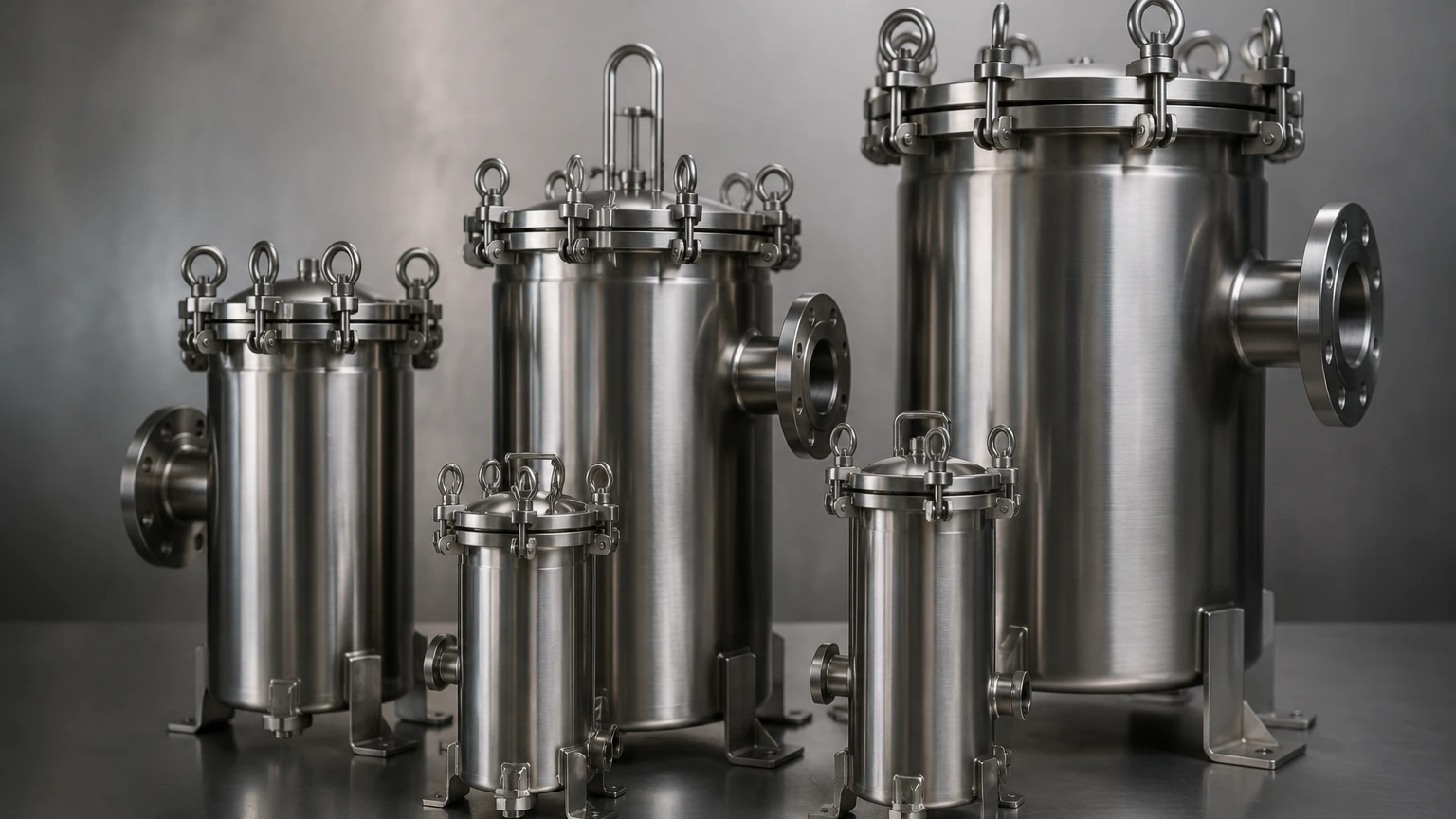
In industrial fluid processing and filtration, the structural integrity of the containment system is as critical as the filtration media itself. High-pressure environments require specialized hardware designed to withstand significant mechanical stress while maintaining a sterile or chemically stable environment. For engineers and procurement specialists, understanding the technical nuances of pressure.vessels used in filtration is essential for ensuring operational safety, process efficiency, and long-term durability.
At the core of many industrial systems, these vessels house the critical filtration elements—such as wire mesh filters or stainless steel cartridges—that remove contaminants from liquid or gas streams. This article explores the engineering considerations, material requirements, and performance criteria necessary for selecting and maintaining these high-stakes components.
Engineering Fundamentals of Pressure Vessels in Filtration
A pressure vessel is defined as a container designed to hold gases or liquids at a pressure substantially different from the ambient pressure. In the context of industrial filtration, these vessels act as the housing for filter elements. The design of these systems is governed by strict engineering codes, most notably the ASME (American Society of Mechanical Engineers) Boiler and Pressure Vessel Code (BPVC), specifically Section VIII.
When designing or selecting pressure.vessels for filtration, engineers must account for several variables:
1. Design Pressure and Temperature: The vessel must be rated for the maximum expected operating pressure, often with a safety factor of 3:1 or 4:1. Temperature is equally important, as the tensile strength of metals decreases as temperature rises.
2. Wall Thickness: Calculated based on the internal diameter, design pressure, and the allowable stress of the material used. In filtration, the thickness must also account for a "corrosion allowance" to ensure the vessel remains safe over its intended service life.
3. Head Design: The ends of the vessel (heads) can be hemispherical, ellipsoidal, or torispherical. Each shape handles stress differently, with hemispherical heads being the strongest but most difficult to manufacture.
For those seeking specific technical data on how filtration elements integrate into these housings, visiting the Main Page provides a comprehensive overview of available configurations and engineering support.
Material Selection: The Role of Stainless Steel
Material selection is the most significant factor in the longevity of a filtration vessel. Because these systems often handle corrosive chemicals, high-temperature steam, or sensitive food products, stainless steel is the industry standard.
Grade 304 vs. 316L Stainless Steel
Most industrial pressure.vessels are constructed from either Grade 304 or Grade 316L stainless steel. Grade 304 is suitable for general applications, offering excellent strength and basic corrosion resistance. However, in environments involving chlorides (such as seawater or brine) or high-acidity chemicals, Grade 316L is preferred. The "L" stands for low carbon, which helps prevent sensitization—a phenomenon where chromium carbides form at grain boundaries during welding, leading to intergranular corrosion.
Surface Finish and Passivation
In the pharmaceutical and food and beverage industries, the internal surface finish of the vessel is paramount. Surfaces are often electropolished to a specific Ra (Roughness Average) value to prevent bacterial growth and ensure ease of cleaning (CIP/SIP processes). Passivation, a chemical treatment that enhances the protective oxide layer on the steel, is also a standard requirement to prevent rust and contamination.
Integration of Filtration Elements
The efficiency of a pressure vessel in a filtration circuit depends heavily on how the internal filter elements are seated. Whether using pleated cartridges, wedge wire screens, or multi-layered wire mesh, the interface between the element and the vessel must be leak-proof.
Sealing Mechanisms
Common sealing methods include O-rings, gaskets, and mechanical compression seals. In high-pressure applications, the bypass of even a small amount of fluid can compromise the entire process. Engineers must ensure that the sealing materials (such as EPDM, Viton, or PTFE) are chemically compatible with the process fluid and capable of withstanding the operating temperature.
Flow Dynamics and Internal Support
Internal support structures, such as tubesheets or perforated cores, are necessary to prevent the filtration media from collapsing under high differential pressure (Delta P). The vessel's internal design must also minimize turbulence and dead zones, which can lead to sediment buildup and localized corrosion.
Performance Evaluation and Operational Parameters
Evaluating the performance of pressure.vessels involves monitoring several key metrics during operation. For technical teams, these data points are the primary indicators of when maintenance or filter replacement is required.
Differential Pressure (Delta P)
Differential pressure is the difference in pressure between the inlet and the outlet of the vessel. As the filter elements inside the vessel collect contaminants, the resistance to flow increases, causing Delta P to rise. Most industrial systems have a "terminal pressure drop"—the point at which the filter must be cleaned or replaced to prevent damage to the vessel internals or the downstream pump.
Flow Rate and Residence Time
The size of the pressure vessel must be matched to the required flow rate. If the vessel is too small, the fluid velocity will be too high, potentially washing contaminants through the filter media or causing erosion of the vessel walls. Conversely, an oversized vessel may lead to excessive residence time, which can be problematic for fluids that are prone to degradation or temperature loss.
Safety Protocols and Risk Mitigation
Operating pressure.vessels carries inherent risks. A structural failure can result in catastrophic decompression, leading to equipment damage and personnel injury. Therefore, safety features are non-negotiable.
* Pressure Relief Devices: Every vessel should be equipped with a pressure relief valve (PRV) or a rupture disk set to trigger at a pressure slightly above the maximum allowable working pressure (MAWP).
* Non-Destructive Testing (NDT): During manufacturing and periodic maintenance, techniques such as X-ray (radiography), ultrasonic testing, and dye penetrant inspection are used to check for cracks or thinning in the welds and vessel walls.
* Hydrostatic Testing: Before being placed into service, vessels are typically filled with water and pressurized to 1.3 or 1.5 times their design pressure to verify structural integrity.
Maintenance and Replacement Cycles
While the stainless steel shell of a pressure vessel can last for decades, the internal components and seals have a finite lifespan. A proactive maintenance schedule is essential for B2B operations to avoid unscheduled downtime.
1. Gasket Inspection: Seals should be inspected every time the vessel is opened for filter replacement. Brittle or flattened gaskets are a leading cause of external leaks.
2. Cleaning Protocols: For reusable wire mesh filters, the cleaning method (ultrasonic, backwashing, or chemical soaking) must be compatible with both the filter media and the vessel's internal coating.
3. Vessel Fatigue: In processes that involve frequent pressure cycling (ramping up and down), the metal can undergo fatigue. Periodic inspections should focus on high-stress areas like nozzle connections and support legs.
Customization and OEM Considerations
Off-the-shelf solutions rarely meet the specific needs of complex industrial processes. Customization is often required to fit existing piping layouts, meet specific filtration grades, or adhere to regional safety certifications (such as PED in Europe or SELO in China).
When working with a manufacturer like Kaifil, engineers can specify custom port sizes, specialized mounting brackets, and unique internal configurations for multi-stage filtration. The ability to customize the internal filter support ensures that the pressure.vessels operate at peak efficiency for the specific viscosity and particle load of the application.
Conclusion
Selecting and managing pressure.vessels for industrial filtration is a multifaceted engineering challenge. It requires a deep understanding of material science, fluid dynamics, and safety regulations. By prioritizing high-quality stainless steel construction, precise internal sealing, and rigorous maintenance protocols, industrial facilities can ensure their filtration systems remain reliable under the most demanding conditions.
For professionals looking to optimize their filtration infrastructure or explore customized metal filter components, the Main Page serves as a vital resource for technical specifications and application guidance. Investing in the right pressure vessel technology today prevents the costly failures and inefficiencies of tomorrow.
