


Frit Band
In the specialized world of industrial filtration and fluid dynamics, the term "frit band" refers to a critical structural component used to secure, seal, or define the boundary of a porous filtration element—known as a frit. Whether utilized in high-performance liquid chromatography (HPLC), chemical processing reactors, or precision hydraulic systems, the frit band ensures that the filtration media remains stable under pressure and that the fluid path is directed exclusively through the intended porous structure.
For engineers and procurement specialists sourcing components from a manufacturer like Kaifil, understanding the mechanical nuances of the frit band is essential for ensuring system longevity and filtration accuracy. This guide explores the technical functions, material requirements, and engineering considerations surrounding frit bands in industrial applications.
The Technical Function of a Frit Band
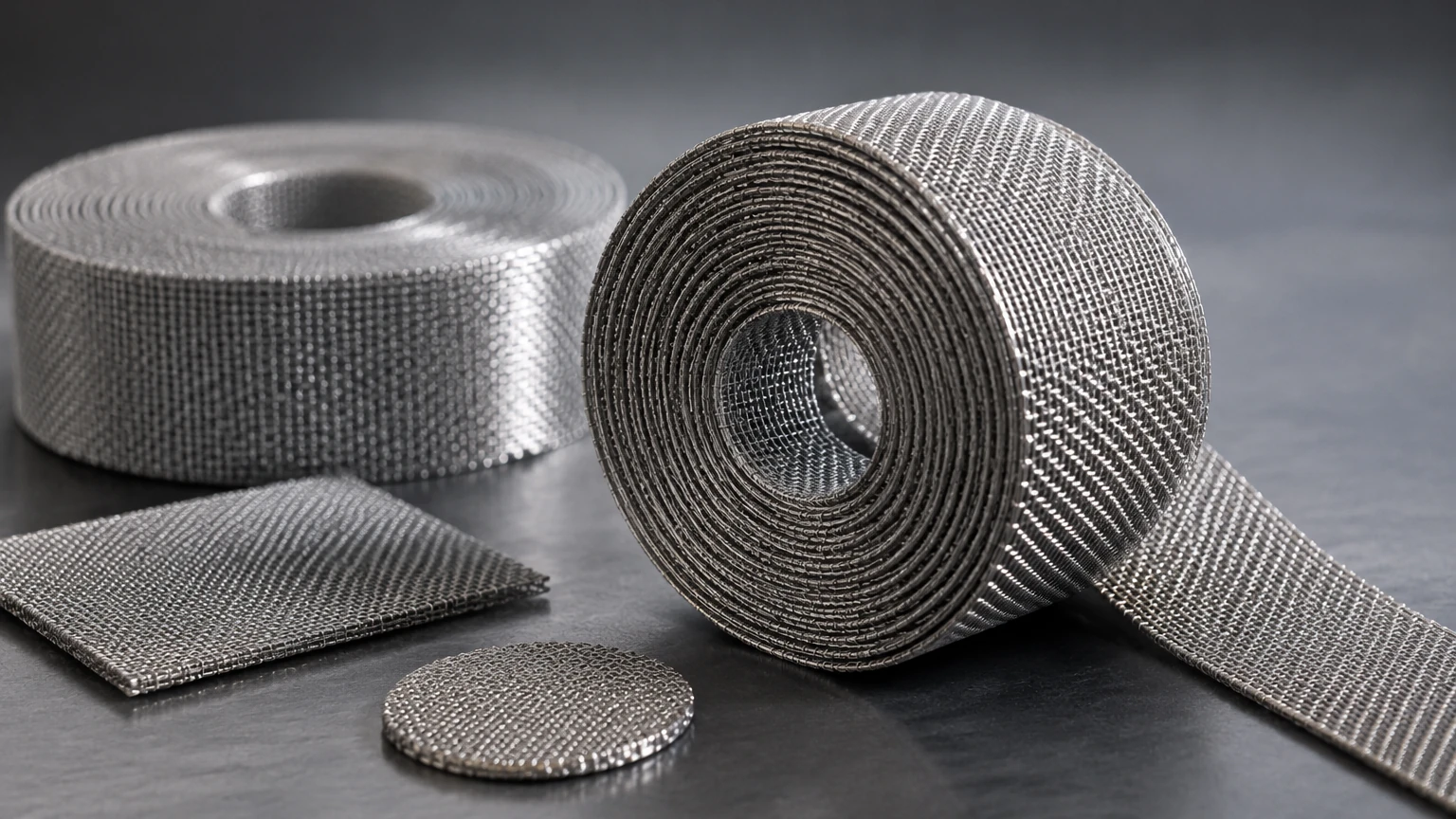
A frit, typically made from sintered stainless steel powder or multi-layer wire mesh, is inherently porous. While these materials offer excellent filtration efficiency, they often lack the structural rigidity required for direct installation into high-pressure housings. The frit band acts as the mechanical interface between the delicate porous media and the robust industrial housing.
Structural Containment and Support
In many applications, the frit is a disc or a small cylinder. Under high differential pressure (ΔP), the porous structure can experience mechanical stress that might lead to edge crumbling or migration. The frit band provides a circumferential reinforcement that contains the porous media, preventing peripheral deformation. This is particularly vital in applications involving frequent pressure pulsations or backwashing cycles.
Sealing and Bypass Prevention
The primary failure mode in precision filtration is "bypass," where the fluid takes the path of least resistance around the edges of the filter rather than through it. A precision-engineered frit band serves as a sealing surface. By providing a solid, non-porous outer diameter, the band allows for a tight interference fit or a secondary seal (such as an O-ring or a metal-to-metal seal) against the internal wall of the filter holder. This ensures 100% of the process fluid is subjected to the specified filtration rating.
Flow Distribution and Transition
In chromatography and analytical chemistry, the transition from a narrow inlet tube to a wide filter surface can create turbulence or "dead zones." A frit band can be designed with specific geometries to help transition the fluid flow, ensuring even distribution across the entire surface area of the sintered media. This uniformity is critical for maintaining consistent residence times and preventing localized clogging.
Material Engineering and Compatibility
Because the frit band is in direct contact with the process fluid, its material composition must match or exceed the chemical and thermal resistance of the filter media itself. As a specialist in stainless steel filtration, Kaifil emphasizes the use of high-grade alloys to meet these demanding environments.
Stainless Steel 316L
The industry standard for most chemical and pharmaceutical applications is 316L stainless steel. The "L" denotes low carbon content, which is essential if the frit band is to be welded to the filter media or the housing. 316L offers superior resistance to pitting and crevice corrosion, making it ideal for environments involving chlorides or acidic solutions.
Specialty Alloys: Hastelloy and Titanium
In highly aggressive environments, such as those found in specialty chemical manufacturing or seawater desalination, standard stainless steel may be insufficient. Frit bands can be manufactured from Hastelloy C-276 or Titanium. These materials provide exceptional resistance to extreme oxidation and reduction, though they require specialized machining and sintering expertise to integrate with the porous frit.
Thermal Expansion Considerations
Engineers must account for the coefficient of thermal expansion (CTE) when selecting materials for a frit band. If the band and the housing are made of different materials, temperature fluctuations can cause the seal to loosen (leading to bypass) or tighten excessively (leading to mechanical failure). Utilizing a stainless steel frit band within a stainless steel housing generally mitigates these risks, provided the grades are compatible.
Engineering Challenges in Frit Band Integration
Integrating a solid band with a porous frit is a complex manufacturing process that requires precision to avoid compromising the filtration characteristics of the media.
Press-Fitting vs. Sinter-Bonding
There are two primary methods for attaching a frit band. In press-fitting, the solid band is machined to a slightly smaller internal diameter than the frit, and the two are joined using mechanical force. This is cost-effective but can occasionally lead to microscopic gaps.
Sinter-bonding is a more advanced technique where the solid band and the porous media are placed together in a vacuum furnace. During the sintering process, atomic diffusion occurs at the interface, creating a single, monolithic component. This eliminates the risk of bypass and provides the highest level of structural integrity. For more information on advanced manufacturing capabilities, you can visit the Main Page to review product options and application support.
Tolerance Management
In precision applications like HPLC, the tolerances for a frit band are often measured in microns. An oversized band will not fit the column, while an undersized band will allow fluid to bypass the filter. Manufacturers must utilize CNC turning and grinding to ensure that the outer diameter (OD) and inner diameter (ID) meet the exact specifications required for the intended assembly.
Industry-Specific Applications
The requirements for a frit band vary significantly depending on the sector in which it is deployed.
Pharmaceutical and Biotechnology
In these industries, "cleanability" and material traceability are paramount. Frit bands must be finished to a specific surface roughness (often Ra < 0.4 μm) to prevent bacterial growth and ensure effective Clean-in-Place (CIP) procedures. The band must also be free of any manufacturing oils or contaminants that could leach into the product.
Chemical Processing and Petrochemicals
Here, the focus shifts to durability and corrosion resistance. Frit bands are often used in catalyst recovery systems where they must withstand high temperatures and abrasive particles. The band acts as a sacrificial wear surface, protecting the more expensive porous media from the mechanical impact of the incoming fluid stream.
Hydraulic and Aerospace Systems
In hydraulic systems, frit bands are used in "last chance" filters to protect sensitive valves from debris. These bands must be extremely lightweight yet strong enough to withstand high-pressure spikes without deforming. The precision of the band ensures that the filter remains seated even under intense vibration.
Evaluating Frit Band Quality: A Buyer’s Checklist
When sourcing custom filtration components, engineers should evaluate several key criteria to ensure the frit band will perform as expected in the field:
1. Concentricity: Is the band perfectly centered around the frit? Misalignment can cause uneven flow and mechanical stress.
2. Edge Integrity: Are there burrs or sharp edges on the band that could damage the housing or O-rings during installation?
3. Bond Strength: If sinter-bonded, has the manufacturer performed a bubble point test or pressure decay test to ensure the interface is leak-proof?
4. Material Certification: Can the supplier provide Mill Test Reports (MTRs) to verify the alloy grade and compliance with standards like ASTM or ISO?
5. Customization Flexibility: Can the manufacturer adjust the band thickness or width to accommodate specific housing depths or flow requirements?
Common Risks and Mitigation
The most common risk associated with frit bands is the "shadow effect," where the solid band covers too much of the porous surface, leading to an excessive pressure drop. This occurs if the band is designed too wide or if the assembly process causes the porous media to compress excessively near the edges.
To mitigate this, Kaifil works closely with clients during the design phase to calculate the effective filtration area (EFA). By optimizing the ratio between the frit band width and the porous surface, engineers can achieve the necessary structural support without sacrificing flow capacity.
Another risk is galvanic corrosion. If a frit band is made of a different metal than the housing or the frit itself, an electrochemical reaction can occur in the presence of an electrolyte. Ensuring material uniformity across the entire filtration assembly is the most effective way to prevent this type of failure.
Conclusion
While the frit band may seem like a simple peripheral component, it is fundamental to the performance of high-precision industrial filtration systems. It provides the necessary bridge between the delicate functionality of porous media and the rugged requirements of industrial hardware. By selecting the right materials, ensuring precise tolerances, and utilizing advanced bonding techniques, engineers can significantly improve the reliability and efficiency of their filtration processes.
For technical teams looking to optimize their filtration setups, partnering with a manufacturer that understands the intersection of metallurgy and fluid dynamics is essential. From material selection to final quality testing, every detail of the frit band contributes to the total cost of ownership and the operational safety of the system. For a deeper look at customized filtration solutions, visiting the Main Page can provide the necessary technical resources to support informed decision-making.
