


What System Gets Rid of Waste
In the context of industrial processing, the question of what system gets rid of waste is fundamental to operational efficiency, product purity, and environmental compliance. While the term "waste" can refer to anything from biological sewage to gaseous emissions, in precision manufacturing and fluid processing, it primarily refers to contaminants, particulates, and unwanted secondary phases within a process stream. The most effective system for removing these materials is a high-performance industrial filtration system.
For engineers and procurement specialists, identifying the correct filtration system is not merely about "disposal" but about precision separation. Whether the goal is to protect downstream equipment like high-pressure pumps or to ensure the purity of a pharmaceutical batch, the filtration system acts as the primary gatekeeper. By utilizing advanced materials such as stainless steel wire mesh and sintered metal components, these systems provide a durable, repeatable, and cost-effective method for waste removal in demanding environments.
The Fundamental Role of Filtration in Industrial Waste Removal
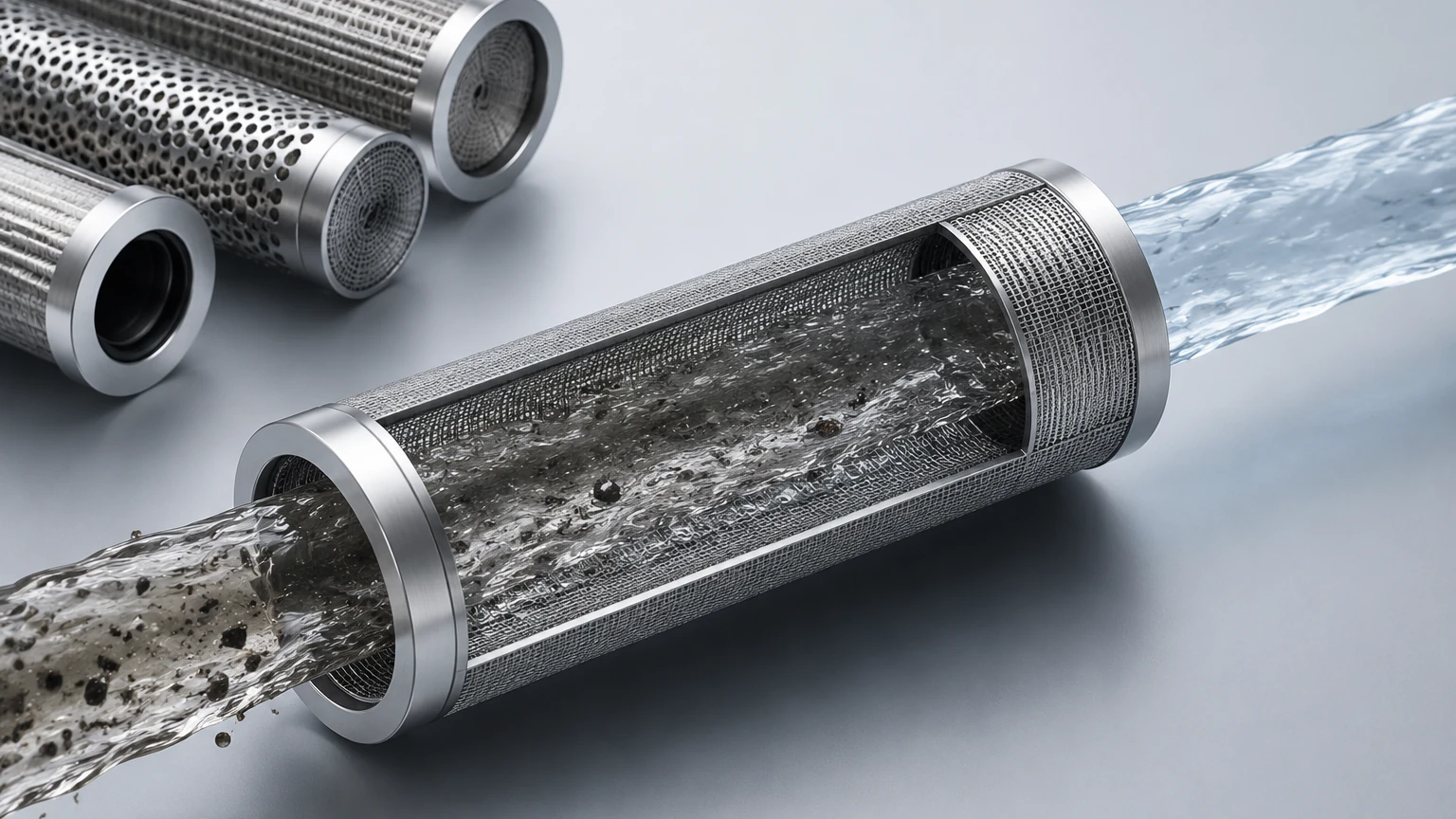
When evaluating what system gets rid of waste in an industrial setting, one must look at the mechanical separation process. Industrial filtration systems are designed to isolate solid particulates from liquids or gases. This is achieved through a physical barrier—the filter media—which allows the carrier fluid to pass while trapping the waste material.
In heavy industries such as chemical processing or oil and gas, waste often consists of scale, rust, or chemical precipitates that can degrade product quality or damage sensitive machinery. Here, the filtration system is integrated directly into the production line. By selecting the appropriate filter housing and element, engineers can create a closed-loop system that continuously removes waste without interrupting the flow of production. This is a critical distinction from batch-processing waste systems, as it allows for real-time contamination control.
For technical teams seeking a comprehensive overview of these components, the Main Page of the Kaifil website offers a detailed look at the various configurations available for industrial applications. Understanding the interplay between flow rate, pressure drop, and contaminant loading is the first step in defining how a system will perform over its operational lifecycle.
Mechanical Separation: How Filtration Systems Identify and Remove Waste
To understand what system gets rid of waste most effectively, it is necessary to examine the two primary types of mechanical filtration: surface filtration and depth filtration.
Surface Filtration
Surface filtration uses a thin layer of material, such as a single layer of stainless steel wire mesh, to trap particles on the upstream side of the media. This system is ideal for removing waste that is relatively uniform in size. The advantage of surface filtration is that the "filter cake"—the layer of waste that builds up on the mesh—can often be cleaned off through backwashing or mechanical vibration, extending the life of the filter element.
Depth Filtration
Depth filtration utilizes a thicker media, such as multi-layered sintered wire mesh or pleated cartridges, to trap waste within the tortuous path of the material. This system is superior for removing a wide range of particle sizes and is often used when the waste concentration is high or when high-purity filtrate is required. Depth filters have a higher dirt-holding capacity, meaning they can operate longer before requiring maintenance or replacement.
In both systems, the goal is to achieve a specific "micron rating." This rating defines the size of the smallest particle the system can reliably remove. For engineers, selecting the micron rating is a balance between waste removal efficiency and the energy required to push fluid through a finer mesh.
Material Engineering: Stainless Steel’s Role in Waste Management
The durability of the system that gets rid of waste is heavily dependent on the materials used in its construction. In industrial environments where fluids may be corrosive, high-temperature, or under extreme pressure, stainless steel is the gold standard.
Corrosion and Chemical Resistance
Systems dealing with chemical waste or saltwater require materials that will not degrade. Stainless steel grades like 304 and 316L provide excellent resistance to oxidation and a wide variety of acids and bases. 316L, in particular, contains molybdenum, which enhances its resistance to pitting and crevice corrosion in chloride-rich environments. This ensures that the filtration system itself does not become a source of contamination as it removes waste from the process.
Thermal Stability
Many industrial processes operate at temperatures that would melt or deform plastic or polymer-based filters. Stainless steel filtration systems can maintain structural integrity at temperatures exceeding 500°C (depending on the alloy and configuration). This makes them the primary choice for steam filtration, hot gas exhaust cleaning, and high-temperature polymer melt filtration.
Structural Rigidity
Waste removal often involves high differential pressures, especially as the filter begins to clog. Stainless steel wire mesh, particularly when pleated or sintered into multiple layers, provides the mechanical strength necessary to resist collapsing or "media migration," where the filter material itself breaks off into the clean stream.
Performance Metrics: Micron Ratings and Filtration Efficiency
When an engineering team asks what system gets rid of waste for their specific application, they must quantify the waste they are targeting. This is done through performance metrics that define the system's efficiency.
1. Absolute vs. Nominal Rating: A nominal rating is an empirical value indicating the filter's ability to retain the majority of particles of a certain size. An absolute rating, however, indicates that 99.9% (or higher) of particles of that size will be captured. For critical waste removal, such as in the pharmaceutical industry, absolute-rated stainless steel cartridges are mandatory.
2. Beta Ratio: This is a more precise way of measuring filtration efficiency. It compares the number of particles of a given size in the upstream (unfiltered) fluid to the number in the downstream (filtered) fluid. A higher Beta ratio signifies a more effective system for waste removal.
3. Dirt Holding Capacity (DHC): This refers to the total amount of waste a filter can trap before the pressure drop reaches a critical limit. A system with high DHC reduces the frequency of filter changes, thereby lowering the total cost of ownership.
By analyzing these metrics, purchasing teams can move beyond simple price-point comparisons and evaluate the true performance of the filtration system in their specific environment.
Maintenance and the Lifecycle of Industrial Waste Removal Systems
No system that gets rid of waste can function indefinitely without maintenance. The efficiency of a filtration system is directly tied to how it is managed over time. In industrial settings, the "replacement cycle" is a key metric for operational budgets.
Stainless steel filters offer a significant advantage in terms of sustainability and cost: they are often cleanable. Unlike disposable paper or plastic filters that must be discarded once they are full of waste, stainless steel mesh can be cleaned using several methods:
* Backwashing: Reversing the flow of the fluid to knock waste particles off the surface of the filter.
* Ultrasonic Cleaning: Using high-frequency sound waves in a cleaning solution to dislodge microscopic particles trapped deep within the mesh.
* Chemical Cleaning: Using specialized solvents to dissolve organic or chemical waste without damaging the stainless steel.
* Burn-off/Calcination: For polymer or organic waste, heating the filter to high temperatures to vaporize the contaminants.
Understanding the cleaning protocol is essential for engineers. A system that can be cleaned 20 to 50 times before replacement offers a much lower total cost of ownership than a cheaper, disposable alternative. This long-term perspective is vital when determining which system is truly the most efficient at getting rid of waste.
Custom Engineering: Tailoring Systems for Specific Industrial Needs
Standard off-the-shelf filters are not always the answer to the question of what system gets rid of waste. Many industrial applications involve unique challenges, such as non-standard pipe sizes, extremely high flow rates, or highly viscous fluids. In these cases, custom-engineered filtration components are required.
Customization allows for the optimization of the filter's geometry. For example, pleating the wire mesh can increase the surface area of the filter by several times without increasing the overall footprint of the housing. This allows the system to handle more waste and operate longer between cleanings. Furthermore, custom end-fittings (such as DOE, 222, or 226 connectors) ensure that the filter element fits perfectly into existing infrastructure, preventing "bypass"—where waste-laden fluid leaks around the filter rather than going through it.
Manufacturers like Kaifil specialize in these OEM and customized solutions, working closely with engineering teams to develop filter cartridges and components that meet the exact specifications of a given process. Whether it is a precision-machined filter cap or a specialized five-layer sintered mesh laminate, the goal is to create a system that removes waste with maximum reliability.
Conclusion: Selecting the Right System for Your Application
Determining what system gets rid of waste in your facility requires a technical evaluation of your fluid properties, contaminant characteristics, and operational goals. A well-designed filtration system does more than just trap dirt; it protects your equipment, ensures the quality of your final product, and optimizes your maintenance schedule.
By focusing on high-quality materials like stainless steel and understanding the engineering principles of micron ratings and pressure differentials, you can implement a waste removal system that is both effective and durable. For those ready to explore specific product options and receive technical application support, visiting the Main Page provides access to the expertise and manufacturing capabilities necessary to solve complex industrial filtration challenges. Investing in the right filtration system today prevents the costly consequences of equipment failure and product contamination tomorrow.
