


1 Micron Sock Filter
In industrial liquid filtration, the 1 micron sock filter represents a critical threshold for fine particle separation. Often referred to as liquid filter bags, these components are designed to capture microscopic contaminants that can compromise the quality of finished products, damage downstream equipment, or interfere with sensitive chemical processes. For engineering and procurement teams, selecting a 1 micron filter requires a deep understanding of fluid dynamics, material compatibility, and the specific nuances of depth versus surface filtration.
While traditional sock filters are often made from synthetic fibers like polypropylene or polyester, demanding industrial environments frequently necessitate a transition toward more robust materials. Manufacturers like Kaifil specialize in high-precision stainless steel filtration solutions that address the limitations of disposable fabric socks, particularly in high-temperature or chemically aggressive applications. This guide explores the technical considerations of 1 micron filtration and the engineering criteria for selecting the optimal filter media.
Understanding 1 Micron Filtration Efficiency
A micron, or micrometer, is one-millionth of a meter. To put a 1 micron sock filter into perspective, a human hair is approximately 50 to 70 microns in diameter, and the smallest particle visible to the naked eye is roughly 40 microns. At the 1-micron level, filtration systems are targeting fine silt, certain types of bacteria, precipitated metallic salts, and very fine carbon dust.
Nominal vs. Absolute Ratings
When evaluating a 1 micron sock filter, engineers must distinguish between nominal and absolute ratings. A nominal rating is an arbitrary value assigned by the manufacturer, indicating that the filter can trap a large percentage (typically 50% to 80%) of particles at the specified micron size. In contrast, an absolute rating implies a much higher efficiency, often 98% to 99.9%, verified through standardized glass bead testing or particle counting.
Most fabric sock filters are nominally rated due to the inherent variability of fiber density in felt materials. For applications where 1-micron bypass is unacceptable, engineers often turn to pleated metal cartridges or high-density stainless steel fiber felts, which offer more consistent pore structures and higher retention accuracy.
Material Composition and Chemical Compatibility
The performance of a 1 micron sock filter is heavily dependent on the media material. The choice of material affects not only the filtration efficiency but also the filter's structural integrity when exposed to various process fluids.
Polypropylene (PP)
Polypropylene is the most common material for disposable 1 micron socks. It offers excellent resistance to acids and bases and is relatively inexpensive. However, PP has a limited temperature threshold, typically losing structural integrity above 90°C (194°F). It is also susceptible to oxidative degradation in the presence of certain strong oxidizers.
Polyester (PE)
Polyester is used when higher temperature resistance is required (up to approximately 150°C). It provides good tensile strength and resistance to most organic solvents, though it is vulnerable to hydrolysis in high-moisture, high-temperature alkaline environments.
Stainless Steel Alternatives
For the most demanding B2B applications, stainless steel (304 or 316L) is the material of choice. While traditional "socks" are fabric, Kaifil manufactures stainless steel wire mesh and fiber felt components that serve the same purpose but with significantly enhanced durability. Stainless steel filters can withstand temperatures exceeding 500°C and are compatible with almost all industrial solvents, oils, and chemicals. When a process requires 1-micron precision in a high-pressure or high-heat environment, a metal filter component is often the only viable solution. For more information on specialized metal filtration, engineers can visit the Main Page of the manufacturer’s technical resource site.
Hydraulic Performance and Flow Dynamics
Implementing a 1 micron sock filter introduces significant resistance to fluid flow. As the pore size decreases, the clean pressure drop ($ΔP$) increases. Engineering teams must calculate the total system head to ensure the pump can overcome the resistance of a fine-mesh filter without cavitation or excessive energy consumption.
Initial Pressure Drop and Flux
Flux, or the rate of flow per unit area, is a critical metric. For a 1 micron filter, the flux is considerably lower than that of a 10 or 50 micron filter. To maintain a specific flow rate (GPM or m³/h), the surface area of the filter must often be increased. This is why many 1-micron systems utilize multi-bag housings or pleated designs to maximize the available filtration area within a compact footprint.
Dirt-Holding Capacity
Because 1-micron pores clog more rapidly than coarser filters, the dirt-holding capacity becomes a primary driver of the total cost of ownership (TCO). A 1 micron sock filter acting as a primary filter in a high-solids stream will require frequent replacement, leading to downtime and high consumable costs. In these scenarios, a multi-stage filtration approach—using a 20-micron pre-filter followed by the 1-micron final filter—is recommended to extend the life of the finer media.
Industrial Applications for Fine Micron Filters
The 1 micron sock filter is utilized across diverse sectors where fluid purity is non-negotiable. Each industry presents unique challenges regarding viscosity, hygiene, and contaminant types.
Chemical and Petrochemical Processing
In chemical manufacturing, 1-micron filtration is used for catalyst recovery and the removal of fine particulates from specialty chemicals. The chemical compatibility of the filter media is paramount here. Stainless steel components are often preferred over synthetic socks to prevent leaching of surfactants or binders into the process stream.
Food and Beverage Industry
In the production of bottled water, beer, and wine, 1-micron filters serve as "polishing" filters. They remove residual yeasts and fine proteins to ensure clarity and biological stability. Filters used in these applications must comply with FDA or equivalent food-safety standards, ensuring that no fibers migrate from the sock into the consumable product.
Pharmaceuticals and Biotechnology
Pre-filtration for sterile membranes often involves 1-micron media. By removing the bulk of the particulate load, the 1 micron sock filter protects expensive downstream absolute-rated membrane filters. In this sector, the extractable profile of the filter material is scrutinized to prevent contamination of active pharmaceutical ingredients (APIs).
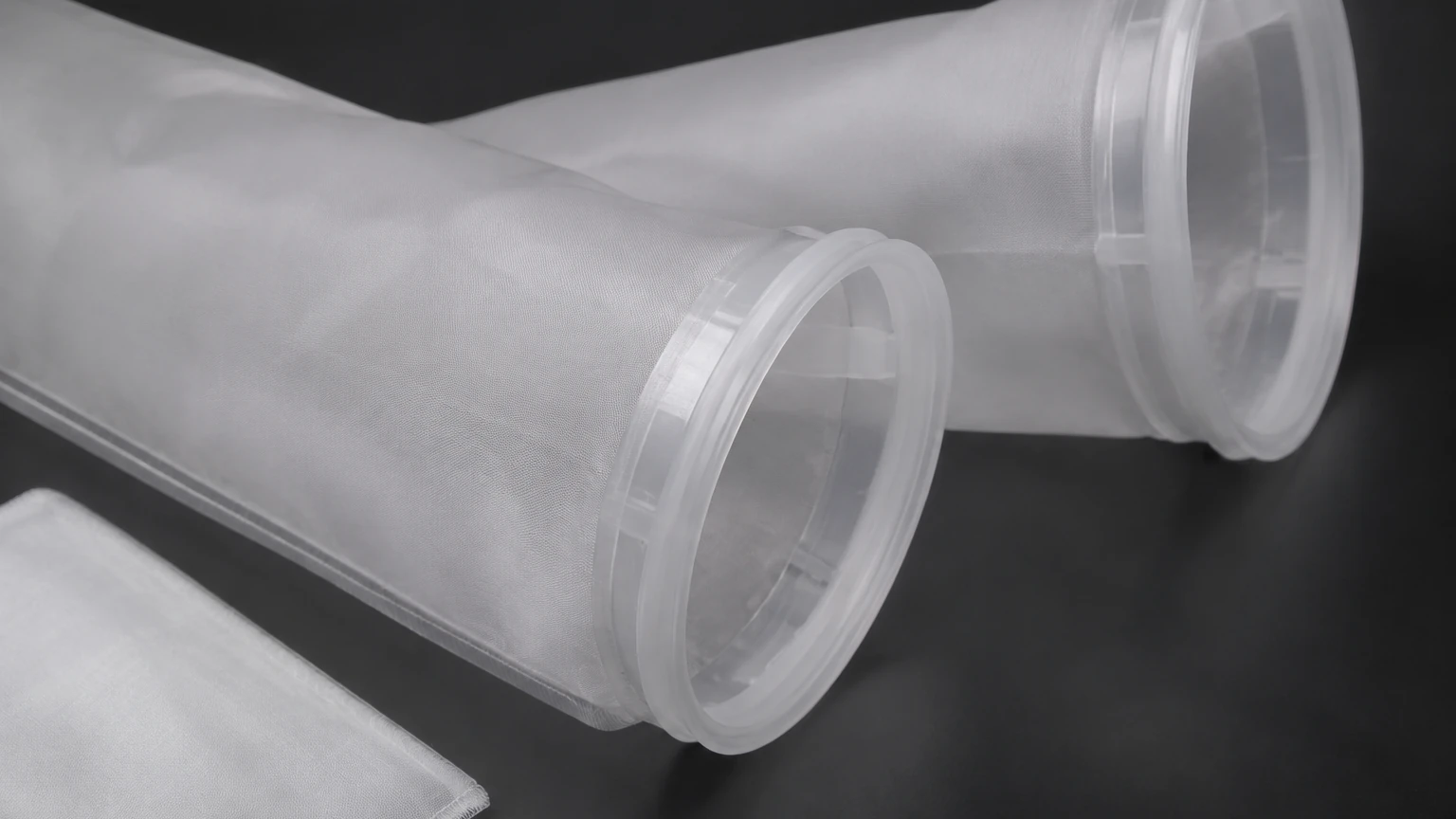
Transitioning from Disposable Socks to Stainless Steel
Many industrial facilities are moving away from disposable 1 micron sock filters toward cleanable, reusable stainless steel filtration elements. While the initial capital expenditure for a stainless steel filter is higher, the long-term benefits often outweigh the costs.
1. Durability: Metal filters do not suffer from "fiber migration," a common issue with felt socks where individual fibers break loose and contaminate the filtrate.
2. Cleanability: Stainless steel filters can be cleaned via backwashing, ultrasonic cleaning, or chemical immersion, allowing them to be reused for years.
3. Environmental Impact: Reducing the volume of spent filter socks sent to landfills aligns with corporate sustainability goals.
4. Pressure Tolerance: Metal filters can handle much higher differential pressures before failing, providing a safety margin in the event of a sudden process surge.
Kaifil provides custom engineering support for facilities looking to transition to these high-performance metal solutions, ensuring that the new components fit existing housings and meet the exact micron requirements of the application.
Maintenance, Cleaning, and Replacement Protocols
The effective lifespan of a 1 micron sock filter is monitored through differential pressure gauges. A common industry standard is to replace or clean the filter when the $ΔP$ reaches 15–25 psi (1.0–1.7 bar), depending on the housing's design and the pump's capabilities.
Monitoring for Breakthrough
In some applications, a rise in pressure may be accompanied by "breakthrough," where the pressure forces contaminants through the expanded pores of a fabric sock. This is particularly common with deformable particles like gels or waxes. Monitoring the effluent quality via turbidity meters or particle counters is essential to ensure the 1-micron threshold is maintained throughout the filter's service life.
Cleaning Procedures for Reusable Media
For those using stainless steel 1-micron media, cleaning protocols must be strictly followed. Over-aggressive mechanical cleaning can damage the fine wire mesh or fiber felt. Ultrasonic baths are the preferred method for 1-micron metal filters, as they use high-frequency sound waves to dislodge particles from deep within the pore structure without physical abrasion.
Selection Checklist for Engineering Teams
Before purchasing a 1 micron sock filter or an equivalent metal cartridge, technical teams should confirm the following parameters:
* Fluid Viscosity: High-viscosity fluids (like resins or syrups) require significantly more surface area at 1 micron to maintain flow.
* Operating Temperature: Ensure the media and the seals (O-rings/gaskets) can withstand the maximum process temperature.
* Chemical Profile: Check for compatibility with the base fluid and any cleaning agents used in the system.
* Solids Loading: Estimate the parts per million (PPM) of contaminants to determine if pre-filtration is necessary.
* Regulatory Requirements: Verify if the application requires USP Class VI, FDA, or 3-A Sanitary Standards compliance.
By carefully weighing these factors, engineers can select a filtration solution that balances performance, longevity, and cost. Whether utilizing a standard disposable 1 micron sock filter for batch processing or upgrading to a precision-engineered stainless steel component for continuous high-demand operations, the goal remains the same: achieving reliable, consistent fluid purity. For further technical specifications and customized filtration design services, professionals are encouraged to Review product options and application support to find the most efficient solution for their specific industrial needs.
