


Sintered Stainless Steel Filters
In industrial filtration, the selection of filter media is a critical engineering decision that directly impacts process efficiency, equipment longevity, and product purity. Among the various materials available, sintered stainless steel filters have emerged as a primary solution for demanding environments where polymer-based or disposable filters fail. These components are engineered through a process called sintering, which involves bonding metal particles or wire mesh layers without melting them, resulting in a porous yet structurally robust material.
For engineers and procurement professionals, understanding the technical nuances of sintered stainless steel filters is essential for optimizing filtration systems in chemical processing, pharmaceuticals, food and beverage production, and hydraulic applications. This guide examines the engineering principles, performance characteristics, and selection criteria for these high-performance filtration components.
Understanding the Engineering Behind Sintered Stainless Steel Filters
The performance of a sintered filter is fundamentally determined by its manufacturing process. Sintering is a powder metallurgy technique where stainless steel powder or multi-layered wire mesh is placed in a vacuum or protective atmosphere furnace at temperatures just below the melting point. Through atomic diffusion, the contact points between the metal particles or wires bond together, creating a rigid, integrated structure.
Sintered Metal Powder vs. Sintered Wire Mesh
There are two primary types of sintered stainless steel media used in industrial filters:
1. Sintered Metal Powder: This media is produced by compacting stainless steel powder into a specific shape and then sintering it. The result is a depth-filtration medium with a complex, tortuous pore path. It is ideal for applications requiring high filtration precision and the ability to trap fine particles within the thickness of the material.
2. Sintered Wire Mesh: This involves laminating multiple layers of stainless steel wire mesh (often ranging from 2 to 20 layers) and sintering them together. The resulting plate or tube combines the fine filtration of a mesh layer with the mechanical strength of coarser support layers. This structure is typically used for surface filtration, where particles are trapped on the outer layer, making it easier to clean via backwashing.
By controlling the particle size of the powder or the weave of the mesh, manufacturers like Kaifil can produce filters with precise micron ratings, ranging from 0.5 microns to over 200 microns.
Key Performance Characteristics for Industrial Applications
Sintered stainless steel filters are selected for their ability to maintain integrity under conditions that would compromise other materials. Their technical advantages include:
Thermal and Chemical Resistance
Stainless steel alloys, particularly 316L, offer exceptional resistance to corrosion and oxidation. Sintered filters can operate in temperatures ranging from cryogenic levels up to 600°C (1112°F) or higher, depending on the alloy and atmospheric conditions. This makes them indispensable for steam filtration and high-temperature gas processing.
Mechanical Strength and Pressure Stability
Unlike fabric or paper filters, sintered metal structures are self-supporting. They can withstand high differential pressures without deforming or experiencing "media migration"—a common failure where fragments of the filter material enter the filtrate. This structural stability is vital in hydraulic systems and high-pressure chemical reactors.
High Porosity and Permeability
Despite their strength, sintered stainless steel filters maintain high porosity (often between 30% and 50%). This allows for high flow rates with relatively low pressure drops (ΔP), which reduces the energy requirements of the pumping system and extends the time between cleaning cycles.
Evaluating Filtration Efficiency and Micron Ratings
When specifying sintered stainless steel filters, engineers must distinguish between nominal and absolute micron ratings. A nominal rating refers to the filter's ability to retain a major percentage (e.g., 90% or 95%) of particles of a specific size. An absolute rating, however, indicates that 99.9% or more of particles at that size will be captured.
Because the sintering process creates a fixed pore structure, these filters provide highly consistent and repeatable filtration performance. The uniformity of the pores ensures that the flow is distributed evenly across the filter surface, preventing localized clogging and ensuring that the filtration efficiency remains stable throughout the service life of the component.
Common Industrial Applications and Use Cases
The versatility of sintered stainless steel filters allows them to be used across a broad spectrum of industries, each with specific requirements for purity and durability.
Chemical and Petrochemical Processing
In these environments, filters must resist aggressive solvents, acids, and bases. Sintered filters are used for catalyst recovery, polymer filtration, and the removal of impurities from corrosive gas streams. Their ability to be cleaned and reused significantly reduces the hazardous waste associated with disposable filter cartridges.
Food and Beverage Industry
Hygiene and material safety are paramount in food processing. Sintered 316L stainless steel is FDA-compliant and resistant to the caustic cleaning agents used in Clean-in-Place (CIP) systems. Common applications include the filtration of carbon dioxide in carbonation processes, steam filtration for sterilization, and the removal of particulates from edible oils.
Pharmaceutical Manufacturing
Precision filtration is required to ensure product safety and compliance with regulatory standards. Sintered metal filters are used for solvent filtration, gas sparging (introducing gases into liquids), and as vent filters for storage tanks to prevent microbial contamination.
Hydraulic and Lubrication Systems
In high-pressure hydraulic circuits, even microscopic metal shavings can cause catastrophic component failure. Sintered stainless steel cartridges provide the mechanical strength necessary to handle pressure surges while maintaining the fine filtration required to protect sensitive valves and pumps.
Selection Criteria: What Engineers Need to Confirm
To ensure the optimal performance of a filtration system, several technical parameters must be confirmed before selecting a sintered stainless steel filter. Engineers should evaluate the following:
1. Fluid Compatibility: Confirm that the stainless steel grade (304, 316L, or specialty alloys like Hastelloy) is compatible with the chemical composition of the fluid, especially at operating temperatures.
2. Operating Pressure and Temperature: Determine the maximum and normal operating temperatures, as well as the maximum allowable differential pressure before cleaning is required.
3. Flow Rate Requirements: Calculate the required flow rate and the maximum acceptable initial pressure drop. This will dictate the surface area and porosity required for the filter.
4. Particle Characteristics: Identify the size, shape, and concentration of the contaminants. This helps in choosing between depth filtration (sintered powder) and surface filtration (sintered mesh).
5. Connection Types: Ensure the filter housing or assembly uses standard or custom connections (such as NPT, BSP, or flange fittings) that integrate seamlessly with existing piping.
Maintenance, Cleaning, and Service Life
One of the most significant advantages of sintered stainless steel filters is their cleanability. Unlike disposable media, which represent a recurring operational expense, sintered filters can be restored to near-original performance through several cleaning methods:
* Backwashing/Backpulsing: Reversing the flow of fluid through the filter to dislodge particles from the surface. This is most effective with sintered wire mesh.
* Ultrasonic Cleaning: Using high-frequency sound waves in a cleaning solution to remove fine particles trapped deep within the pores of sintered powder media.
* Chemical Cleaning: Using specific solvents, acids, or alkalis to dissolve accumulated contaminants without damaging the stainless steel structure.
* Burn-off/Pyrolysis: For organic contaminants, high-temperature ovens can be used to carbonize and remove the buildup.
The total cost of ownership (TCO) for sintered filters is often lower than that of disposable alternatives when considering the reduction in downtime, disposal costs, and replacement frequency.
Customization and OEM Solutions in Filtration
Industrial filtration often requires bespoke solutions that cannot be met by off-the-shelf products. Customization allows for the optimization of the filter's geometry to fit specific housing constraints or to achieve a specific flow profile. Manufacturers like Kaifil specialize in developing custom sintered stainless steel components, including:
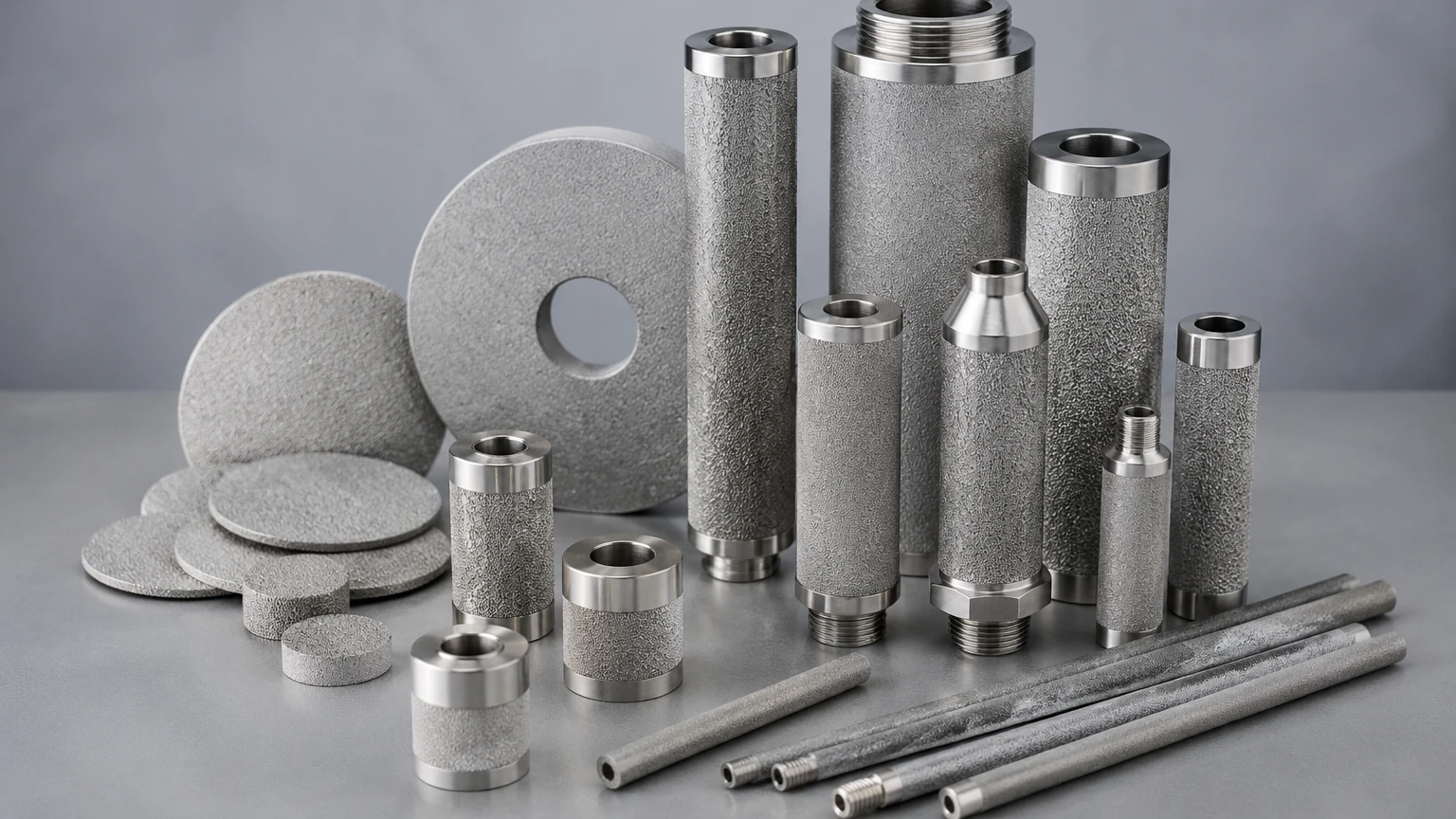
* Custom Shapes: Sintered discs, plates, cones, and cylinders tailored to specific machine designs.
* Integrated Assemblies: Filters welded to custom end caps, flanges, or threaded fittings to simplify installation.
* Graded Porosity: Creating components with multiple layers of varying porosity to provide pre-filtration and fine filtration in a single unit.
By collaborating with a manufacturer that understands both the material science of sintering and the practicalities of industrial fluid dynamics, engineering teams can develop filtration solutions that enhance the reliability of their entire process.
For more information on technical specifications, material selection, and custom filtration designs, visit the Main Page to explore professional product options and application support. Whether you are designing a new system or looking to improve the efficiency of an existing installation, selecting the right sintered stainless steel filter is a foundational step toward achieving consistent, high-quality results in demanding industrial environments.
