


Casing for Drilling
In the complex landscape of industrial drilling—whether for water extraction, oil and gas recovery, or environmental monitoring—the integrity of the borehole is paramount. Casing for drilling serves as the structural foundation of a well, providing a permanent lining that prevents the borehole from collapsing, isolates different geological formations, and protects the surrounding environment from contamination. For engineers and procurement teams, selecting the appropriate casing and its associated filtration components is a critical decision that impacts the long-term viability and efficiency of the project.
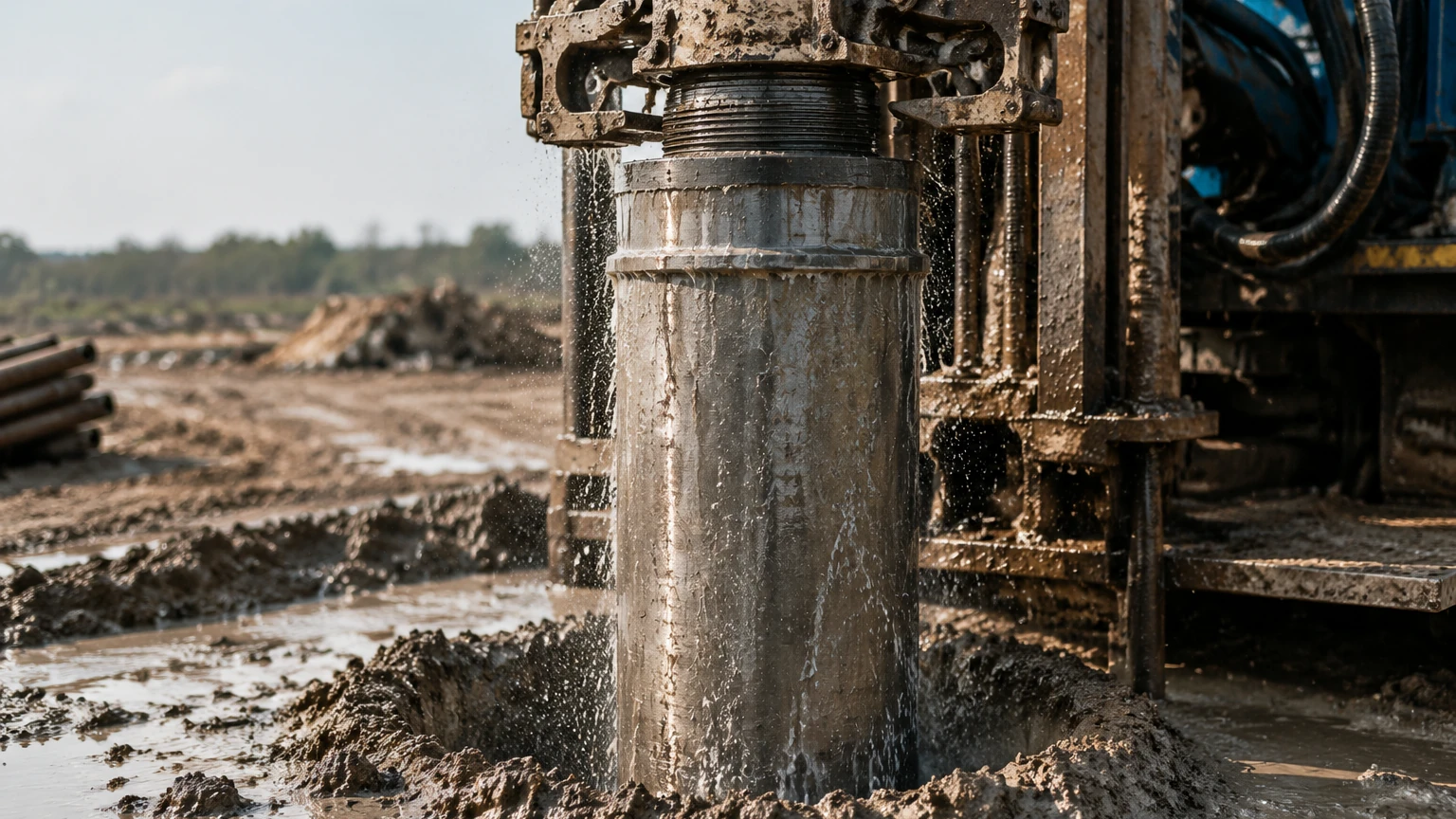
At its core, casing for drilling is a series of steel pipes that are joined together and lowered into a newly drilled hole. Once in place, the space between the casing and the surrounding rock is often filled with cement to provide additional stability and a hydraulic seal. However, the function of the casing extends beyond mere structural support; it is also the primary interface for filtration and fluid management systems, particularly in applications where sand control and sediment exclusion are necessary for operational success.
The Fundamental Role of Casing in Drilling Operations
The primary objective of installing casing for drilling is to ensure the stability of the wellbore. Without a robust casing string, the pressure from surrounding soil and rock formations could cause the hole to cave in, leading to the loss of expensive drilling equipment and the failure of the well itself. Beyond structural integrity, casing serves several other vital functions:
1. Zonal Isolation: In many drilling scenarios, the well passes through multiple layers of earth, some of which may contain high-pressure fluids, corrosive gases, or potable water. Casing, combined with cementing, prevents the cross-flow of fluids between these layers, ensuring that the target resource remains uncontaminated and that high-pressure zones do not leak into lower-pressure areas.
2. Environmental Protection: For water wells and environmental sampling, casing is the first line of defense against surface contaminants entering the groundwater. It provides a sealed conduit that ensures only the desired fluids are extracted or monitored.
3. Borehole Cleaning and Fluid Circulation: During the drilling process, casing provides a controlled path for the circulation of drilling fluids. These fluids are essential for cooling the drill bit and carrying cuttings to the surface. A well-cased hole ensures that these fluids do not leak into permeable formations, which could cause formation damage.
4. Support for Filtration Systems: In production wells, the lower sections of the casing are often designed to incorporate filtration media. This is where precision metal components, such as those manufactured by Kaifil, play a crucial role in maintaining flow while excluding unwanted particulates.
Types of Casing Strings and Their Functions
Drilling a well is rarely a single-step process. Instead, it involves drilling a section, casing it, and then drilling a smaller diameter section through the existing casing. This results in a telescopic structure consisting of several distinct casing strings:
Conductor Casing
This is the first and largest diameter casing installed. Its primary purpose is to prevent the topsoil from washing away during the initial stages of drilling and to provide a stable platform for the blowout preventer (BOP) and subsequent casing strings.
Surface Casing
Surface casing is installed to protect freshwater aquifers from contamination by drilling fluids or hydrocarbons. It also provides the structural support necessary to hang the remaining casing strings. In many jurisdictions, the depth and specifications of surface casing are strictly regulated to ensure environmental safety.
Intermediate Casing
Intermediate casing is used in deeper wells to isolate problematic zones. These might include high-pressure formations that could cause a blowout or unstable formations that are prone to sloughing. By casing off these sections, engineers can continue drilling to the target depth with a more stable borehole.
Production Casing
Also known as the "oil string" or "inner string," production casing is the final layer that reaches the target reservoir. It provides a conduit for the production fluids (water, oil, or gas) to reach the surface. In many applications, the production casing is perforated or includes specialized Main Page filtration components to allow fluid entry while blocking sand and debris.
Material Selection for Corrosive Environments
The choice of material for casing for drilling is dictated by the chemical composition of the fluids being handled and the geological conditions of the site. While carbon steel is common for standard applications, many industrial environments require the superior corrosion resistance of stainless steel.
In chemical processing, pharmaceutical, and high-salinity water treatment applications, standard steel casing can degrade rapidly due to oxidation or chemical attack. This degradation not only compromises the structural integrity of the well but can also introduce iron oxides and other contaminants into the fluid stream. Stainless steel alloys, such as 304 and 316L, are preferred for their ability to withstand harsh environments.
316L stainless steel, in particular, is highly valued in drilling operations due to its low carbon content and the addition of molybdenum, which enhances resistance to pitting and crevice corrosion in chloride-rich environments. For engineers, selecting the right grade of stainless steel is an investment in the longevity of the well, reducing the frequency of costly workovers and replacements.
Integrating Filtration within the Casing String
One of the most critical engineering challenges in drilling is "sand control." When fluids are extracted from a formation, they often carry fine sand and silt that can erode pumps, clog valves, and damage surface equipment. To mitigate this, the casing string must incorporate effective filtration.
Wedge Wire and Wire Mesh Screens
In the production zone, the casing may be replaced or supplemented by well screens. These are precision-engineered components designed to allow fluid to pass through while retaining formation solids. Wedge wire screens are particularly effective because their V-shaped profile creates a self-cleaning effect and minimizes the risk of blinding (clogging).
For finer filtration requirements, multi-layer stainless steel wire mesh can be integrated into the casing design. These mesh filters provide high porosity and precise micron ratings, ensuring that even the smallest particulates are captured before they enter the production stream. As a specialist in custom stainless steel filtration, Kaifil provides the engineering expertise required to design these components to withstand the high collapse pressures found at depth.
Gravel Packing
In many cases, the space between the casing screen and the borehole is filled with a specific grade of gravel. This gravel acts as a primary filter, while the internal stainless steel screen acts as a secondary barrier. The synergy between the casing design and the filtration media is what determines the overall efficiency of the well.
Engineering Considerations: Pressure and Load
Selecting casing for drilling is not merely about choosing a diameter and a material; it involves rigorous mechanical calculations. The casing must survive several types of physical stress throughout its service life:
* Collapse Pressure: This is the external pressure exerted by the surrounding formation and fluids. If the pressure outside the casing exceeds its structural limit, the pipe will flatten or collapse. This is a primary concern in deep-water drilling and high-pressure reservoirs.
* Burst Pressure: This is the internal pressure from the fluids being pumped through or produced by the well. The casing must be strong enough to contain these pressures without rupturing, especially during well-control operations.
* Tensile Strength: Since casing strings are suspended from the surface, the top joints must be able to support the entire weight of the string hanging below them. This requires high-strength threaded connections and careful consideration of the pipe's wall thickness.
For filtration components integrated into the casing, these pressures are even more critical. A filter cartridge or screen that deforms under pressure will lose its filtration accuracy, potentially allowing sand to bypass the system and cause catastrophic equipment failure downstream.
Maintenance and Replacement Cycles
While casing for drilling is intended to be a permanent installation, the filtration components within it often have a finite lifespan. Over time, screens can become plugged with mineral scale, biofouling, or fine sediments. This leads to a decrease in flow rate and an increase in pressure drop across the filter.
Engineers must plan for these cycles by selecting materials that are compatible with chemical cleaning agents. Stainless steel filters are advantageous here, as they can often be cleaned using acid washes or high-pressure jetting without damaging the filter media. Understanding the total cost of ownership involves looking beyond the initial purchase price and considering the ease of maintenance and the projected lifespan of the filtration system in the specific downhole environment.
Conclusion: Selecting a Technical Partner
The success of any drilling project depends on the reliability of its components. Casing for drilling provides the essential structure, but the precision filtration components housed within that casing determine the quality of the output and the protection of the infrastructure.
When sourcing these components, it is vital to work with a manufacturer that understands the nuances of industrial filtration. From material selection and filtration accuracy to the ability to customize designs for specific pressure and flow requirements, a technical partner provides the assurance needed for demanding applications. For those seeking high-performance, durable filtration solutions tailored to industrial needs, you can Review product options and application support to find the right engineering fit for your next project. By focusing on quality manufacturing and precise engineering, operators can ensure that their drilling investments remain productive and secure for years to come.
