


What Is a Filter Sock
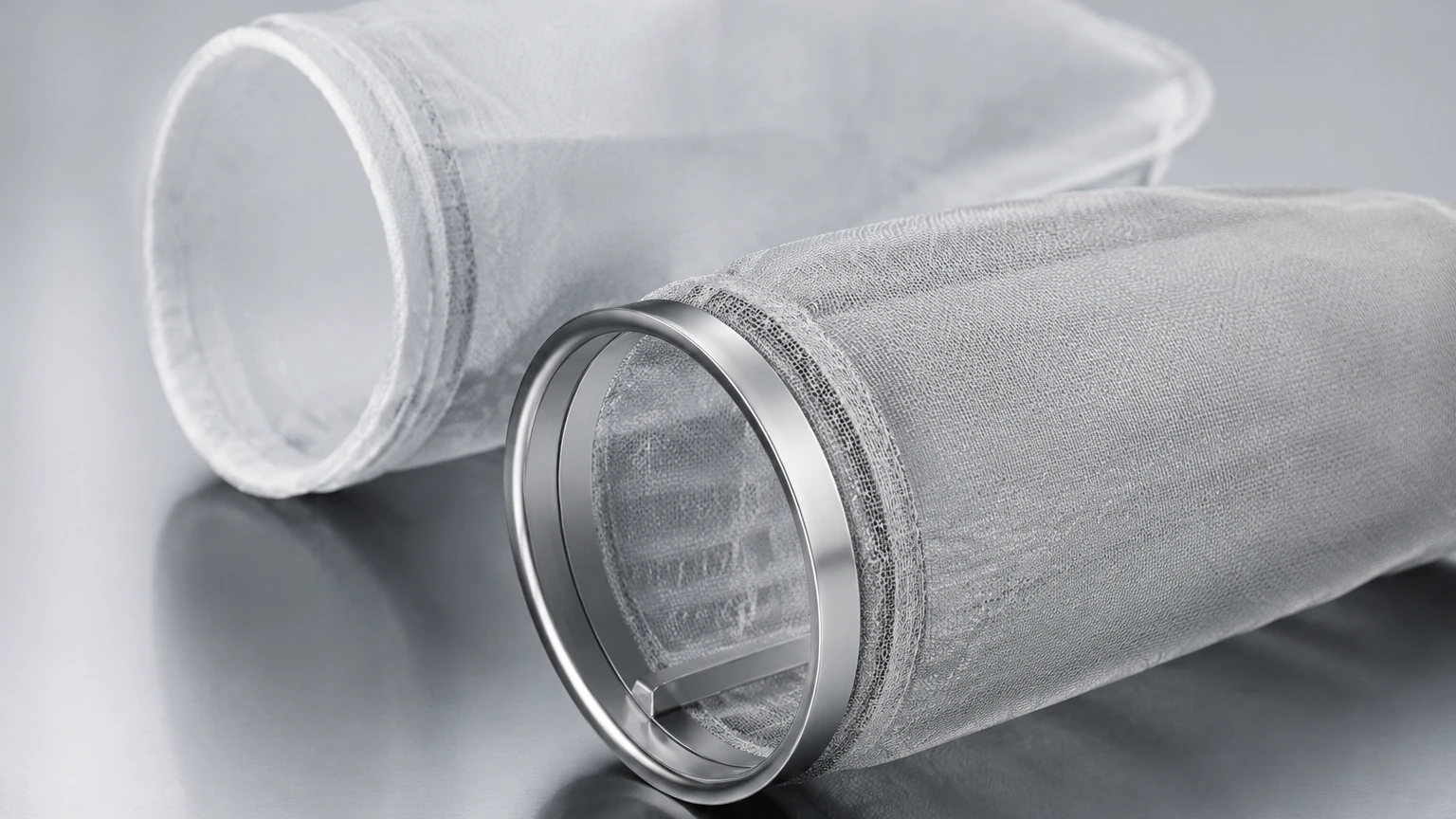
In industrial liquid processing, the term "filter sock" refers to a specialized bag-shaped filtration component designed to remove suspended solids and particulates from a fluid stream. Often utilized within a pressurized bag filter housing, these components serve as a primary or secondary stage of filtration across diverse sectors, including chemical processing, water treatment, and food production. Understanding what is a filter sock requires a technical analysis of its material composition, construction methods, and the specific mechanical roles it plays within a larger filtration system.
From an engineering perspective, a filter sock is more than just a fabric bag; it is a precision-engineered depth or surface filtration medium. Its performance is dictated by the interaction between the fluid's properties—such as viscosity and temperature—and the physical structure of the filter media. For procurement and maintenance teams, selecting the correct filter sock is critical to ensuring process uptime, protecting downstream equipment, and meeting stringent purity standards.
Technical Construction and Material Engineering
The performance of a filter sock is fundamentally determined by the materials used in its construction. Industrial filters are typically categorized by the type of media employed: needle felt or monofilament mesh.
Needle Felt (Depth Filtration)
Needle felt is the most common material for industrial filter socks. It is manufactured by mechanically interlocking fibers to create a thick, porous matrix. This structure provides "depth filtration," where particles are trapped not just on the surface, but throughout the thickness of the material. This allows for a high dirt-holding capacity. Common materials include:
* Polypropylene: Widely used due to its excellent chemical resistance to acids and alkalis, though it has a lower temperature threshold (typically up to 200°F/93°C).
* Polyester: Offers higher temperature resistance (up to 300°F/149°C) and good mechanical strength, making it suitable for hot oil or water applications where polypropylene might fail.
Monofilament Mesh (Surface Filtration)
Monofilament mesh consists of a single-strand fiber woven into a precise grid pattern. This creates "surface filtration," where any particle larger than the mesh opening is blocked at the surface. This material is often preferred for applications requiring exact micron ratings or for straining larger particulates where the filter might be cleaned and reused. Common mesh materials include nylon and stainless steel.
Sealing Mechanisms
The effectiveness of a filter sock depends heavily on the seal between the bag and the housing. If the seal fails, fluid will bypass the media, leading to downstream contamination. Industrial filter socks typically feature one of two sealing rings:
1. Metal Rings: Usually made of galvanized steel or stainless steel, these are sewn into the top of the bag and rely on the weight of the housing lid to create a seal.
2. Plastic Flanges: Often made of polypropylene or polyester, these molded rings provide a more positive, snap-fit seal that reduces the risk of bypass and is easier to dispose of in regulated environments.
Micron Ratings and Filtration Efficiency
When evaluating what is a filter sock for a specific application, engineers must distinguish between nominal and absolute micron ratings. This distinction is vital for process control.
* Nominal Micron Rating: This indicates that the filter will trap a high percentage (typically 50% to 80%) of particles at the specified size. Most felt filter socks are nominally rated because the irregular path through the depth media makes it difficult to guarantee 100% retention of a specific particle size.
* Absolute Micron Rating: This implies that the filter will trap 99% or more of particles at the specified size. This is usually achieved with high-precision mesh or multi-layered felt structures. For critical pharmaceutical or high-purity chemical applications, absolute ratings are often mandatory.
Engineers must also account for the "efficiency curve" of the filter. As a filter sock begins to load with contaminants, its efficiency often increases because the trapped particles themselves act as a secondary filter cake. However, this also leads to an increase in differential pressure, which must be monitored to prevent bag rupture.
Industrial Applications and Fluid Compatibility
Filter socks are integrated into various industrial workflows where high-volume liquid clarification is required. Their versatility stems from the ability to customize the media to the fluid's chemical profile.
Chemical and Petrochemical Processing
In these environments, filter socks are used to remove catalysts, scale, and process byproducts. The choice of material is governed by the pH and solvent content of the fluid. For example, PTFE (Teflon) filter socks are used for highly aggressive chemicals that would degrade standard polypropylene or polyester.
Food and Beverage Production
Filter socks used here must comply with FDA and EU food-contact regulations. They are frequently used for clarifying syrups, filtering edible oils, and removing sediment from beverages. In these cases, the prevention of fiber shedding (migration) is a primary concern, leading many engineers to choose glazed or singed finishes on the felt to lock fibers in place.
Water Treatment and Cooling Systems
For industrial cooling towers and wastewater pre-treatment, filter socks remove sand, silt, and organic matter. Because these applications often involve high flow rates, the mechanical strength of the filter bag and the design of the housing basket are critical to prevent the bag from stretching or bursting under the weight of the debris.
Comparing Disposable Socks and Stainless Steel Filtration Solutions
While traditional fabric filter socks are effective for many applications, they are essentially consumables. In high-demand industrial environments, the total cost of ownership (TCO) for disposable socks can be significant when accounting for replacement labor, disposal fees for hazardous waste, and the risk of process downtime during change-outs.
For many engineers, transitioning to permanent filtration components is a more sustainable and cost-effective strategy. Stainless steel wire mesh filters and cartridges provide a durable alternative that can be cleaned and reused indefinitely. Unlike fabric socks, stainless steel components offer superior mechanical strength, high-pressure tolerance, and absolute precision in filtration accuracy. For a comprehensive overview of custom industrial filtration components, including wire mesh and cartridge options, visit our Main Page.
Stainless steel solutions are particularly advantageous in applications involving high-viscosity fluids or extreme temperatures where synthetic fibers might lose structural integrity. By utilizing precision-engineered metal filters, facilities can achieve more consistent results and reduce the environmental impact associated with disposable filter media.
Operational Maintenance and Pressure Management
The lifecycle of a filter sock is managed through the observation of differential pressure ($ \Delta P $). This is the difference in pressure between the inlet and the outlet of the filter housing.
1. Initial Pressure Drop: When a clean filter sock is installed, there is a baseline pressure drop caused by the resistance of the media itself.
2. Operating Phase: As the sock collects contaminants, the pressure drop increases gradually.
3. Change-out Point: Most industrial standards recommend replacing a filter sock when the differential pressure reaches 15 to 25 psi (1.0 to 1.7 bar). Operating beyond this point risks "blinding" the filter, which can cause the bag to burst or the housing to fail.
Proper installation is also a factor in maintenance. The filter sock must be fully seated within the internal support basket of the housing. If the bag is not supported by the basket, the hydraulic pressure of the fluid will likely cause the bottom of the bag to tear, leading to immediate and total bypass of the filtration stage.
Selection Checklist for Engineering Teams
Before specifying a filter sock or an alternative metal filtration component, technical teams should confirm the following parameters to ensure system compatibility:
* Fluid Chemistry: What is the pH? Are there solvents or oxidizers present that could degrade synthetic fibers?
* Operating Temperature: Will the temperature remain constant, or are there thermal spikes that exceed the melting point of polypropylene or polyester?
* Particle Loading: Is the fluid heavily contaminated (requiring depth filtration) or lightly contaminated with specific-sized particles (requiring surface filtration)?
* Flow Rate: What is the required gallons per minute (GPM)? High flow rates may require larger housings or multiple filter bags in parallel to keep the initial pressure drop low.
* Target Micron Rating: Is a nominal rating sufficient for protection, or is an absolute rating required for product quality?
* Disposal Requirements: Are the trapped contaminants hazardous? If so, the cost of disposing of saturated fabric socks may justify the investment in a cleanable stainless steel system.
By addressing these technical variables, engineers can move beyond the simple question of "what is a filter sock" and begin to optimize their filtration processes for maximum efficiency and reliability. Whether sticking with traditional bag filtration or upgrading to precision metal components, the goal remains the same: achieving the cleanest possible fluid with the lowest operational overhead.
