


Porous Plastic Sheets
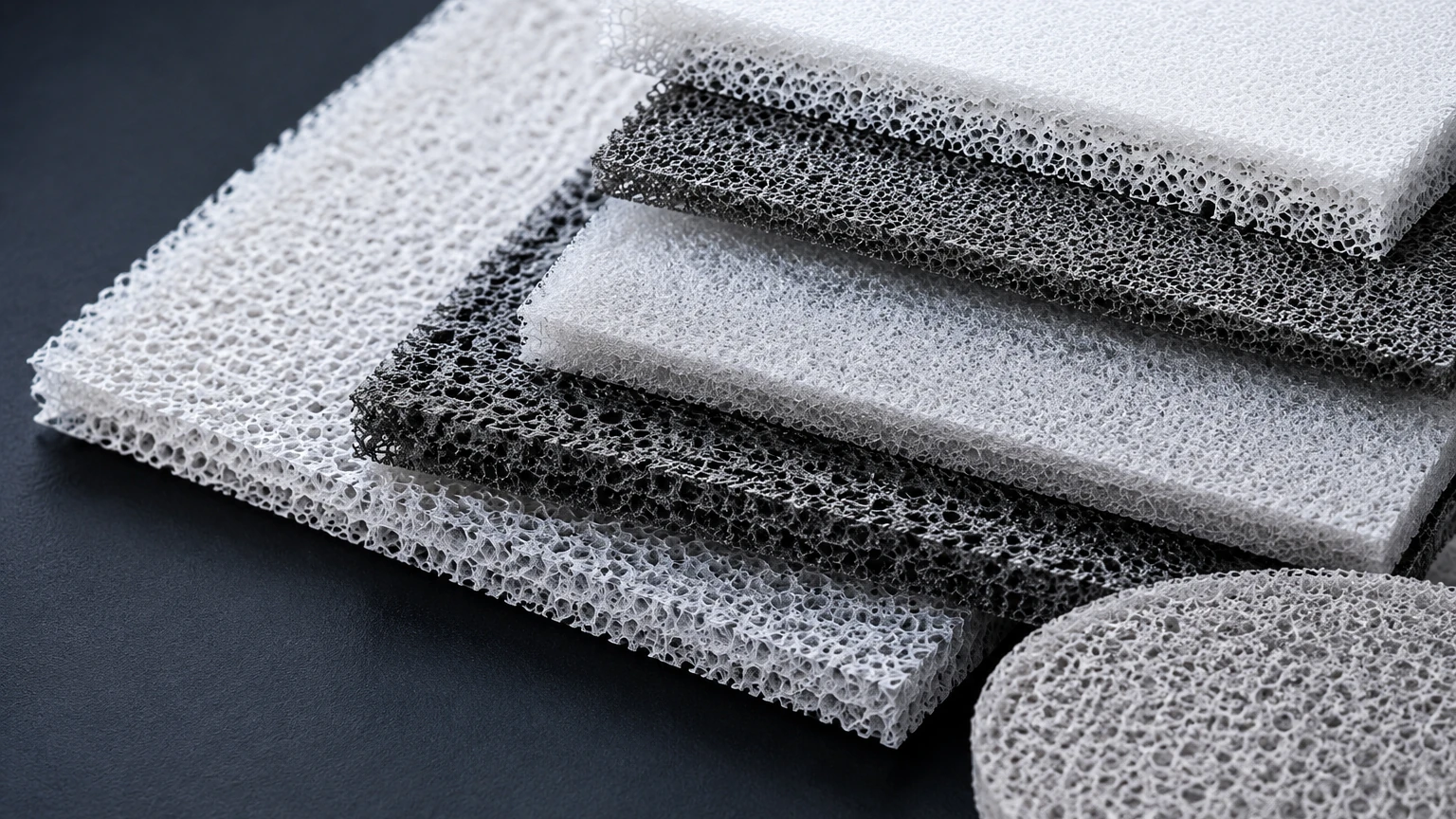
In industrial filtration and fluid handling, porous plastic sheets represent a specialized category of materials engineered for precise control over gas and liquid flow. Unlike standard solid plastic membranes, these sheets are characterized by an omni-directional, interconnected pore structure. This architecture allows for depth filtration, gas diffusion, and controlled venting, making them essential components in sectors ranging from chemical processing to medical device manufacturing.
For engineers and procurement professionals, understanding the technical nuances of porous plastic sheets is critical for optimizing system performance. While metal filtration solutions, such as those found on the Main Page of industrial manufacturers like Kaifil, offer high-temperature and high-pressure capabilities, porous plastics provide a lightweight, chemically resistant, and cost-effective alternative for specific operating environments. This guide examines the engineering properties, material selections, and application criteria necessary for selecting the appropriate porous plastic media.
Understanding Material Composition and Manufacturing
Porous plastic sheets are typically produced through a process known as sintering. In this manufacturing method, polymer granules are placed into a mold or onto a moving belt and heated to a temperature just below their melting point. Under controlled pressure, the surfaces of the granules fuse together at their contact points, creating a rigid structure with a labyrinth of interconnected voids. This "tortuous path" is what provides the material's filtration efficiency.
Several base polymers are commonly used to meet different industrial requirements:
* Ultra-High Molecular Weight Polyethylene (UHMWPE): Known for its exceptional abrasion resistance and high impact strength. It is often used in fluidization and powder handling.
* High-Density Polyethylene (HDPE): A versatile and economical choice with good chemical resistance, frequently used in water treatment and general industrial venting.
* Polypropylene (PP): Offers higher temperature resistance than PE and excellent fatigue resistance. It is a preferred material for chemical filtration applications.
* Polytetrafluoroethylene (PTFE): The gold standard for extreme environments. PTFE porous sheets are chemically inert, hydrophobic, and can withstand temperatures exceeding 200°C.
Key Performance Indicators for Industrial Applications
When evaluating porous plastic sheets for an industrial system, engineers must look beyond basic dimensions. The performance of the material is defined by its internal geometry and physical properties.
Pore Size and Distribution
Pore size is usually measured in microns (µm) and refers to the average diameter of the openings within the material. Unlike surface filters (like some wire meshes), porous plastics act as depth filters. This means that particles are trapped not just on the surface, but throughout the thickness of the sheet. Nominal pore sizes typically range from 5 µm to 200 µm. A narrow pore size distribution is essential for applications requiring consistent flow rates and filtration efficiency.
Porosity and Void Volume
Porosity is the measure of the empty space within the solid structure, usually expressed as a percentage. Most industrial porous plastic sheets have a porosity ranging from 30% to 50%. Higher porosity results in lower pressure drops and higher flow rates but may compromise the mechanical strength of the sheet. Balancing porosity with structural integrity is a primary challenge in filter design.
Hydrophobicity vs. Hydrophilicity
The natural surface energy of the polymer determines how it interacts with liquids. Most polyolefins (PE, PP) are naturally hydrophobic, meaning they repel water but allow gases to pass through. For applications involving aqueous filtration, these materials can be chemically treated to become hydrophilic, allowing water to wet the pores and pass through at low pressures.
Comparing Porous Plastics with Stainless Steel Filtration
In the broader landscape of industrial filtration, engineers often choose between porous plastics and sintered metal or wire mesh components. Each has distinct advantages depending on the application environment.
Chemical Compatibility: Porous plastics, particularly PTFE and PP, offer superior resistance to strong acids and bases that might corrode standard grades of stainless steel. However, in the presence of certain organic solvents or at extreme temperatures, stainless steel remains the more robust choice.
Temperature and Pressure Limits: This is where the distinction is most clear. Porous plastic sheets are generally limited to operating temperatures below 100°C (with the exception of PTFE). In high-pressure hydraulic systems or steam filtration, the mechanical strength of stainless steel filter cartridges is indispensable. For those requiring high-durability metal solutions, reviewing technical specs on a Main Page specialized in metal media is recommended.
Cost and Weight: Porous plastics are significantly lighter and generally less expensive than their metal counterparts. They are often treated as semi-disposable components in systems where cleaning metal filters would be too labor-intensive or where the risk of cross-contamination is high.
Critical Engineering Considerations for Selection
Selecting the right porous plastic sheet requires a comprehensive review of the operating parameters. Failure to account for these factors can lead to premature filter blinding, structural failure, or system inefficiency.
1. Differential Pressure (ΔP): Engineers must calculate the maximum allowable pressure drop across the sheet. As the pores trap contaminants, the ΔP will increase. The sheet must be thick enough to withstand this pressure without deforming or "shedding" particles into the filtrate.
2. Flow Velocity: High flow velocities can cause shear stress on the internal pore structure. It is important to match the face velocity of the fluid with the material's structural limits to prevent bypass or media migration.
3. Mechanical Support: Because plastic sheets are more flexible than metal, they often require external support structures, such as a perforated metal plate or a plastic grid, especially in large-diameter housings or high-pressure applications.
4. Sealing and Integration: How the sheet is integrated into the housing is vital. Porous plastics can be thermally welded, ultra-sonically bonded, or mechanically clamped. The chosen method must ensure a leak-proof seal without crushing the pore structure at the interface.
Common Industrial Applications and Use Cases
The versatility of porous plastic sheets allows them to serve multiple functions beyond simple filtration. Their ability to distribute gas evenly and vent pressure while blocking liquids makes them unique in the material science world.
Aeration and Sparging
In wastewater treatment and bioreactors, porous plastic sheets are used to introduce fine air bubbles into liquids. The fine pore structure ensures a high surface-area-to-volume ratio for the bubbles, which optimizes oxygen transfer efficiency. Unlike drilled pipe aerators, porous plastics produce a much more uniform bubble pattern.
Industrial Venting
Electronics enclosures and chemical storage tanks use porous plastic vents to equalize pressure. The hydrophobic nature of the plastic allows the enclosure to "breathe" (releasing air as it heats up or cools down) while preventing liquid water or dust from entering the sensitive internal compartments.
Fluidization
In the bulk solids industry, porous plastic sheets are used as the base of fluidizing beds. By blowing air through the sheet, powdered materials (such as flour, cement, or plastic resins) become "fluidized," allowing them to flow like a liquid for easier transport and dosing. The uniform porosity of the sheet prevents "channeling," where air escapes through a single point rather than lifting the entire bed of powder.
Vacuum Holding
In automated manufacturing and CNC machining, porous plastic sheets are used as vacuum tables. The sheet provides a flat, uniform surface that holds thin workpieces in place via suction without the need for mechanical clamps that could damage the part.
Maintenance, Cleaning, and Replacement Protocols
Unlike stainless steel filters, which are often designed for hundreds of cleaning cycles via backwashing or ultrasonic baths, porous plastic sheets are more sensitive to aggressive cleaning. In many B2B applications, these sheets are treated as consumables.
Cleaning Limitations: While some surface contaminants can be rinsed off, particles trapped deep within the tortuous path of a porous plastic sheet are difficult to remove. Using high-pressure backpulsing can sometimes rupture the internal pore walls, leading to a loss of filtration efficiency. If the application involves heavy loading of fine particulates, a more permanent metal solution from a provider like Kaifil might offer a lower total cost of ownership over time.
Replacement Indicators: Systems should be equipped with differential pressure gauges. A predetermined set point for ΔP should trigger a replacement cycle. Additionally, in food and beverage or pharmaceutical applications, replacement may be dictated by validated time intervals to prevent microbial growth within the depth of the media.
Conclusion
Porous plastic sheets are a fundamental component in modern industrial design, offering unique capabilities in gas diffusion, venting, and depth filtration. By carefully selecting the base polymer and defining the required pore characteristics, engineers can achieve efficient and reliable performance in a wide range of environments. While they may not replace the high-strength and thermal capabilities of stainless steel filters found on a professional Main Page, their role in lightweight, chemically sensitive, and cost-conscious applications remains undisputed. Proper selection, supported by empirical data on flow rates and chemical compatibility, ensures that these materials contribute to the longevity and efficiency of the industrial systems they serve.
