


Spin on Hydraulic Filter Market
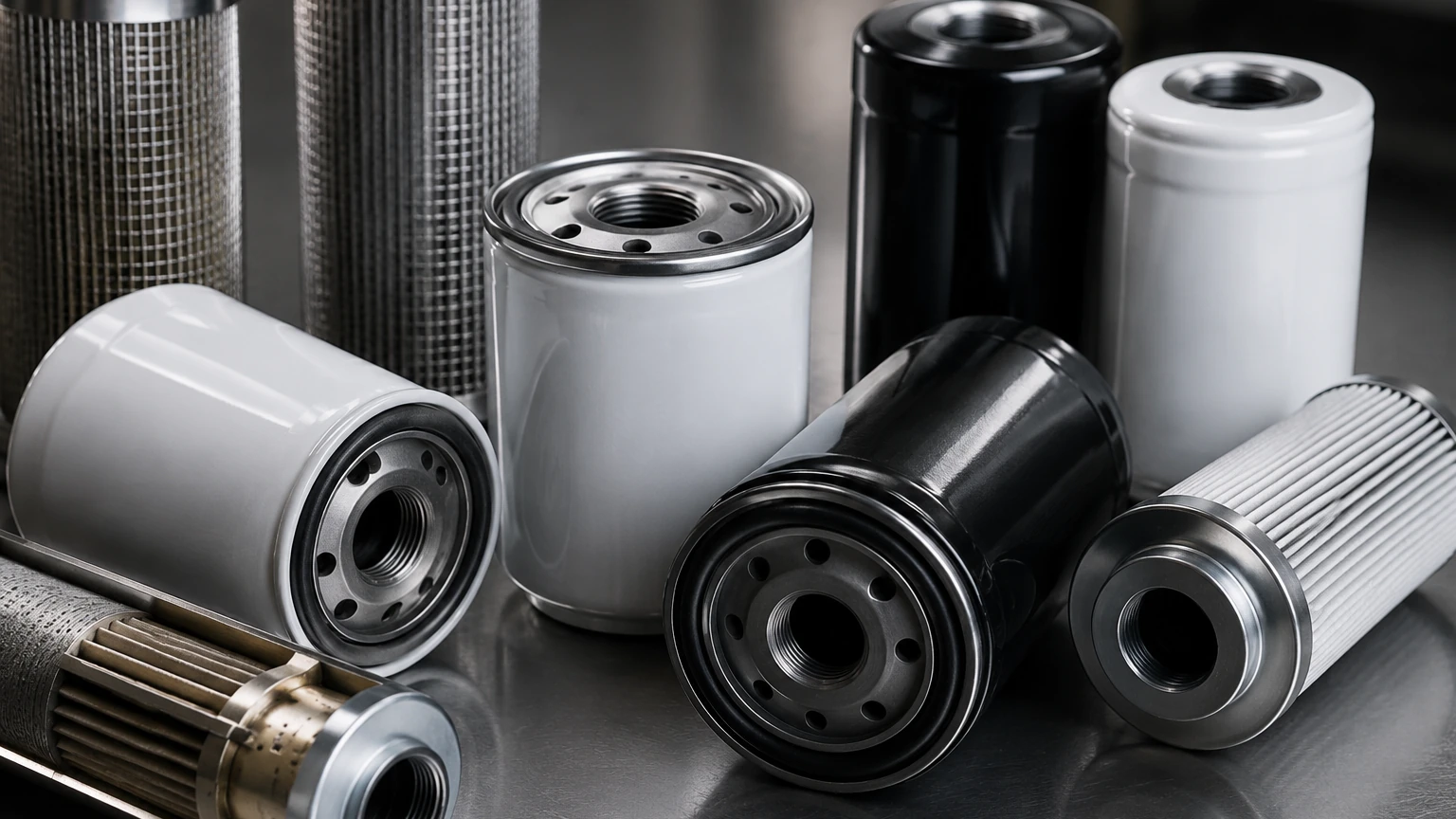
The global industrial landscape relies heavily on hydraulic power to drive machinery in construction, manufacturing, agriculture, and mining. Within these systems, the spin on hydraulic filter market plays a critical role in maintaining fluid cleanliness, which is the single most important factor in ensuring component longevity and system reliability. Spin-on filters, characterized by their self-contained canister design that threads directly onto a filter head, have become the industry standard for low-to-medium pressure applications due to their ease of maintenance and compact footprint.
As hydraulic systems evolve toward higher pressures and tighter tolerances, the requirements for filtration have become increasingly stringent. This article explores the technical dynamics of the spin on hydraulic filter market, the engineering considerations essential for selection, and how manufacturers like Kaifil are supporting the industry with high-performance filtration components.
The Evolution of Spin-On Filtration Systems
Historically, the spin on hydraulic filter market was dominated by simple cellulose-based media designed for basic particulate removal. However, the shift toward sophisticated proportional valves and high-pressure pumps has necessitated a transition toward more advanced materials. Modern hydraulic systems require filtration that can handle high flow rates while maintaining a low pressure drop (ΔP) and providing high dirt-holding capacity.
Today, the market is segmented by media type, pressure rating, and application. While disposable canisters remain prevalent, there is a growing demand for high-efficiency synthetic glass fiber and reusable stainless steel wire mesh elements. These materials offer superior chemical resistance and thermal stability, making them ideal for the demanding environments found in chemical processing and heavy industrial applications. The evolution of the market is also marked by the integration of smart sensors into filter heads, allowing for real-time monitoring of differential pressure and fluid health.
Key Drivers Influencing the Spin on Hydraulic Filter Market
Several factors are currently shaping the trajectory of the spin on hydraulic filter market. Understanding these drivers is essential for engineers and purchasing teams tasked with optimizing system performance.
1. Increased Complexity of Hydraulic Components
Modern hydraulic components, such as servo valves, are extremely sensitive to contamination. Even microscopic particles can cause stiction, internal leakage, or catastrophic failure. This has pushed the market toward filters with higher Beta ratios (βx(c)), ensuring that a higher percentage of particles at a specific micron size are captured in a single pass.
2. Focus on Uptime and Reduced Maintenance Costs
In B2B environments, downtime is the most significant cost factor. Spin-on filters are favored because they allow for rapid replacement without the need for specialized tools or the risk of introducing external contaminants into the system during a housing clean-out. The market is seeing a trend toward larger canisters that offer extended service intervals, thereby reducing the total cost of ownership.
3. Environmental and Regulatory Pressures
Environmental regulations regarding the disposal of oil-soaked filters are driving innovation in the spin on hydraulic filter market. This has led to the development of "eco-friendly" designs where only the internal element is replaced, or the use of durable stainless steel mesh elements that can be cleaned and reused, aligning with corporate sustainability goals.
Technical Engineering Considerations for Spin-On Filtration
Selecting the right component within the spin on hydraulic filter market requires a deep dive into technical specifications. Engineers must look beyond the physical dimensions and thread size to ensure the filter can withstand the operational stresses of the system.
Pressure Ratings and Fatigue Strength
Spin-on filters are typically rated for return-line or suction-line applications where pressures are relatively low (usually under 500 PSI). However, pressure spikes and cold-start conditions can subject the canister to significant fatigue. It is vital to confirm the static burst pressure and the fatigue pressure rating to prevent canister rupture. High-quality manufacturers utilize heavy-gauge steel or reinforced aluminum for the canister to ensure structural integrity.
Flow Rate and Pressure Drop (ΔP)
The relationship between flow rate and pressure drop is a critical design constraint. A filter that is too restrictive will cause the bypass valve to open prematurely, allowing unfiltered fluid to circulate through the system. Conversely, a filter with insufficient surface area will reach its terminal pressure drop too quickly. Engineers must calculate the clean pressure drop based on the fluid's viscosity at operating temperature to ensure the filter is sized correctly for the application.
Bypass Valve Settings
Most spin-on filter heads or canisters include a bypass valve. This safety feature allows fluid to circumvent the media if the filter becomes clogged or if the fluid is too viscous (e.g., during a cold start). The bypass setting must be carefully matched to the system's requirements to protect downstream components while ensuring that filtration occurs during normal operating conditions.
The Role of Stainless Steel in High-Performance Filtration
While synthetic and cellulose media are common, the spin on hydraulic filter market is seeing increased adoption of stainless steel filtration solutions. As a specialist in custom stainless steel filtration, Kaifil provides components that address the limitations of traditional materials.
Stainless steel wire mesh filters offer several distinct advantages in hydraulic applications:
- Thermal Stability: Unlike synthetic fibers that may degrade at high temperatures, stainless steel maintains its structural integrity in extreme heat.
- Chemical Compatibility: Stainless steel is resistant to a wide range of hydraulic fluids, including fire-resistant fluids and aggressive synthetic oils that might swell or dissolve standard seals and media.
- Precision Filtration: Advanced weaving techniques allow for precise control over pore size, ensuring consistent filtration performance over the life of the component.
- Cleanability: In specific industrial loops, the ability to clean and reuse a filter element provides significant long-term cost savings and reduces waste.
For engineers looking for reliable and durable solutions, reviewing the Main Page of a specialized manufacturer like Kaifil can provide insights into how custom metal components can be integrated into standard spin-on configurations to enhance durability.
Evaluating Performance: Beta Ratios and Micron Ratings
In the spin on hydraulic filter market, "micron rating" is often used loosely, but for technical applications, the Beta ratio is the authoritative metric. A nominal micron rating only suggests that the filter will stop a certain percentage of particles, whereas an absolute rating (typically defined as βx(c) ≥ 75 or 1000) provides a statistically verified efficiency.
When evaluating filters, it is important to distinguish between:
- Nominal Ratings: Suitable for non-critical applications where general cleanliness is sufficient.
- Absolute Ratings: Required for high-pressure systems and sensitive components where specific ISO 4406 cleanliness codes must be maintained.
Furthermore, the dirt-holding capacity (DHC) determines how much contaminant a filter can retain before the pressure drop reaches the bypass setting. A higher DHC directly translates to longer service life and fewer maintenance interventions.
Customization and OEM Solutions in Industrial Filtration
The diversity of the spin on hydraulic filter market means that off-the-shelf solutions are not always adequate for specialized machinery. OEM manufacturers often require customized filtration components to fit unique spatial constraints or to handle unconventional fluids.
Customization options typically include:
- Custom Threading and Porting: Ensuring the filter head integrates seamlessly with existing manifolds.
- Specialized Gasket Materials: Using Viton (FKM) or EPDM for compatibility with specific chemical profiles.
- Reinforced Centers: Adding internal support tubes to prevent element collapse under high differential pressure.
- Branding and Private Labeling: Allowing OEMs to provide proprietary replacement parts to their end-users.
Kaifil’s manufacturing capabilities allow for the development of these precision metal filter components, ensuring that even the most demanding industrial environments have access to reliable filtration.
Total Cost of Ownership and Maintenance Strategies
When navigating the spin on hydraulic filter market, purchasing decisions should be based on the Total Cost of Ownership (TCO) rather than the initial purchase price. A cheaper filter may have a lower dirt-holding capacity, leading to more frequent changes, increased labor costs, and higher disposal fees.
Effective Maintenance Practices
To maximize the value of filtration investments, technical teams should implement the following:
1. Differential Pressure Monitoring: Use visual or electrical indicators to change filters based on actual condition rather than a fixed calendar schedule.
2. Oil Analysis: Regularly test the hydraulic fluid to ensure the filtration system is achieving the target ISO cleanliness levels.
3. Proper Storage: Ensure replacement spin-on canisters are stored in a clean, dry environment to prevent moisture ingress or seal degradation before installation.
By focusing on high-quality components and proactive maintenance, companies can significantly extend the life of their hydraulic pumps, motors, and valves, which are far more expensive to replace than a filter canister.
Future Outlook: Innovation in the Spin on Hydraulic Filter Market
The future of the spin on hydraulic filter market is tied to the broader trends of Industry 4.0 and sustainability. We can expect to see increased use of "smart" filters that communicate their status directly to a centralized control system. Additionally, the development of multi-layered gradient density media will continue to improve the balance between filtration efficiency and pressure drop.
As industries strive for greater efficiency, the demand for high-durability materials like those produced by Kaifil will likely grow. Whether it is through the use of advanced wire mesh for suction strainers or custom-engineered cartridges for high-pressure return lines, the emphasis remains on precision and reliability.
For those seeking to optimize their industrial filtration systems, understanding the nuances of the spin on hydraulic filter market is the first step toward achieving superior system performance. By selecting components that match the specific technical requirements of the application, engineers can ensure that their hydraulic systems remain clean, efficient, and productive for years to come. To explore a wide range of professional filtration solutions and engineering support, visit the Kaifil Main Page.
