


Engineering Guide to Woven Wire Fence 8 Foot: Industrial Specifications and Material Selection
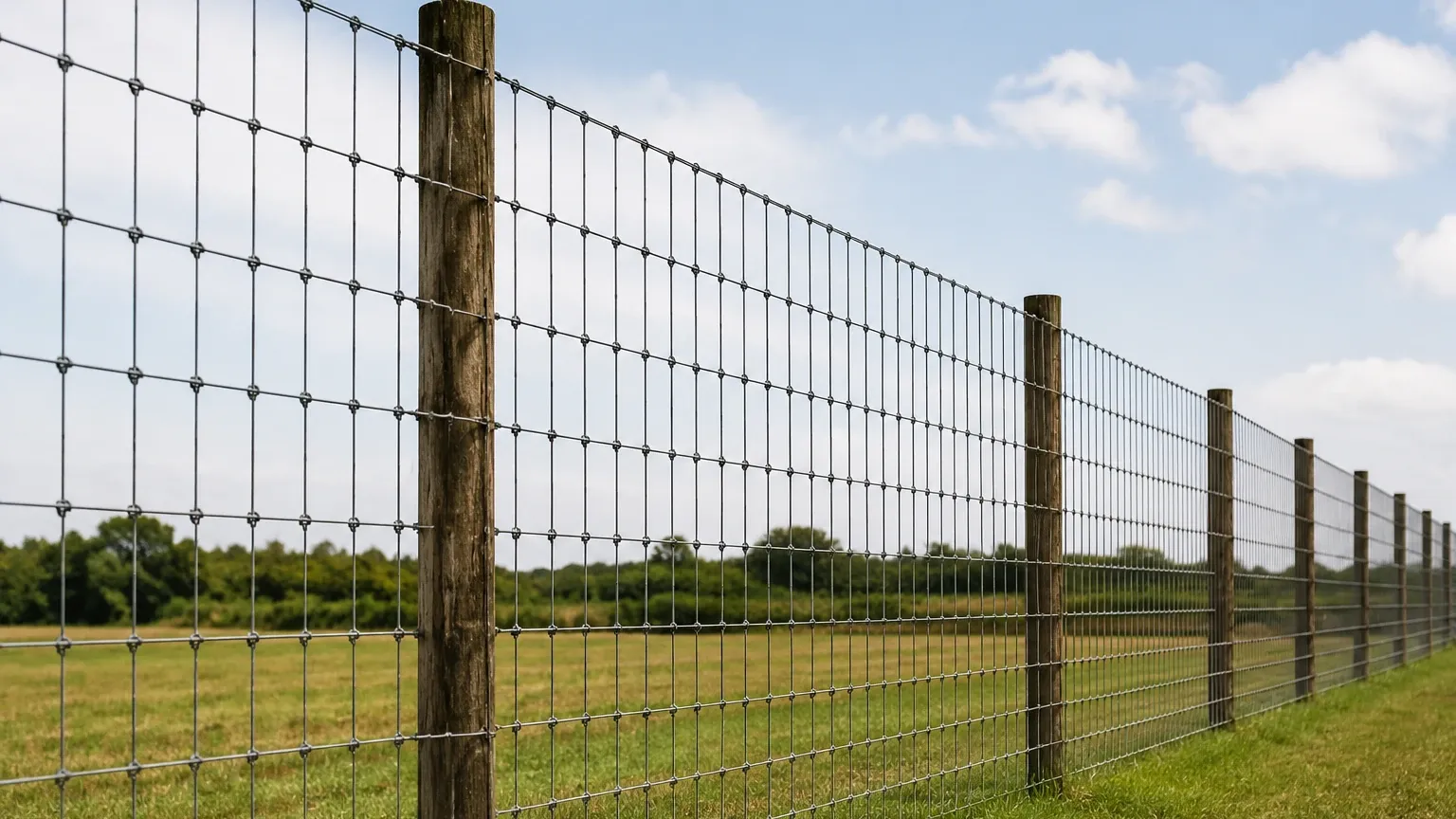
In industrial environments, the requirement for robust, high-performance barriers often leads engineers and facility managers to specify a woven wire fence 8 foot in height. While the term "fence" often evokes images of residential or agricultural boundaries, in a B2B and industrial context, an 8-foot woven wire structure represents a critical piece of safety and security infrastructure. These structures are frequently utilized for perimeter security, machine guarding, and internal partitions within chemical processing plants, food and beverage facilities, and pharmaceutical laboratories.
Selecting the right Woven Wire Mesh for an 8-foot application requires a deep understanding of material science, weaving techniques, and environmental stressors. This guide examines the technical considerations necessary to ensure long-term durability and functional performance in demanding industrial settings.
The Role of 8-Foot Woven Wire in Industrial Infrastructure
The choice of an 8-foot height is rarely arbitrary in industrial design. This specific height is widely recognized as a standard for high-security and safety compliance. It provides a significant physical deterrent against unauthorized access and serves as an effective barrier for containing high-pressure equipment or hazardous materials.
Unlike welded wire alternatives, woven wire mesh offers superior flexibility and resistance to impact. The weaving process allows the wires to move slightly under stress, absorbing energy without fracturing the joints. This makes it an ideal choice for environments where mechanical vibrations or physical impacts are common. When specifying a woven wire fence 8 foot installation, engineers must prioritize the mesh's structural integrity, which is a direct result of the wire diameter, the alloy used, and the precision of the weave.
Material Science: Selecting the Right Alloy for Durability
The longevity of an industrial mesh structure is primarily determined by its resistance to corrosion and mechanical wear. For most professional applications, stainless steel is the material of choice due to its exceptional strength-to-weight ratio and chemical stability.
SS304: The Industrial Standard
Stainless Steel 304 is the most common alloy used in woven wire production. It offers excellent resistance to atmospheric corrosion and is suitable for most indoor and standard outdoor industrial environments. For an 8-foot barrier located in a climate-controlled warehouse or a non-corrosive manufacturing zone, SS304 provides a cost-effective solution without compromising on strength.
SS316/316L: For Harsh Environments
In facilities where the mesh is exposed to chlorides, acids, or coastal air, SS316 is the mandatory specification. The addition of molybdenum enhances its resistance to pitting and crevice corrosion. For pharmaceutical and food processing plants that undergo frequent high-pressure washdowns with caustic chemicals, SS316L (the low-carbon variant) is preferred to prevent sensitization during any secondary welding processes required for framing the 8-foot panels.
Structural Integrity and Weave Patterns
The performance of a woven wire fence 8 foot system is heavily influenced by the weave pattern. While filtration applications often require complex weaves like Dutch or Twill, industrial barriers typically focus on stability and visibility.
* Plain Weave: This is the most common pattern where each warp wire crosses alternately over and under each weft wire. It provides a consistent aperture size and is highly effective for security screens and safety guards.
* Twill Weave: In this pattern, each warp wire passes successively over two and under two weft wires. This allows for the use of heavier wire diameters than a plain weave of the same mesh count, increasing the overall strength of the 8-foot panel.
* Lock Crimp vs. Double Crimp: For larger openings used in fencing, the wires are often pre-crimped. Lock crimping ensures that the wires remain fixed at their intersections, which is vital for maintaining the dimensional stability of an 8-foot tall span under tension.
Engineering Specifications for High-Security Enclosures
When designing an 8-foot woven wire enclosure, several engineering metrics must be confirmed to ensure the structure meets safety standards:
1. Wire Diameter (Gauge): The thickness of the wire directly correlates with the tensile strength of the fence. For 8-foot heights, heavier gauges are typically required to prevent sagging and to withstand wind loads if installed outdoors.
2. Aperture Size (Open Area): Engineers must balance the need for security with the requirement for airflow and visibility. A smaller aperture provides better security but increases the "sail effect" in outdoor wind conditions.
3. Tensile Strength: The mesh must be able to withstand specific kilonewton (kN) loads without permanent deformation. This is particularly important in machine guarding applications where the mesh acts as a containment layer for flying debris.
For those requiring specific configurations, Kaifil offers Plain, twill and dutch woven wire mesh in SS304/316L — rolls, cut mesh and framed panels. Send mesh count or micron target for a technical quote.
Installation and Frame Integration
An 8-foot woven wire mesh is only as strong as its framing and support system. Because woven mesh is not inherently rigid over large spans, it must be properly tensioned or secured within a structural frame.
Framed Panels vs. Continuous Rolls
For internal partitions and machine guards, pre-fabricated framed panels are often the most efficient choice. These panels can be bolted to structural posts, allowing for easy replacement or reconfiguration. For perimeter fencing, continuous rolls of woven wire are tensioned between heavy-duty terminal posts. At an 8-foot height, intermediate horizontal rails or tension wires are often necessary to maintain the vertical alignment of the mesh and prevent "bowing" over time.
Attachment Methods
Common attachment methods include U-edging, angle iron frames, or specialized tensioning clips. In high-vibration environments, welding the mesh to the frame is common, though this requires careful control of heat to avoid compromising the corrosion resistance of the stainless steel.
Common Risks and Mitigation Strategies
Specifying a woven wire fence 8 foot system without considering the specific industrial environment can lead to premature failure. Key risks include:
* Galvanic Corrosion: If stainless steel mesh is attached to carbon steel posts without proper insulation, galvanic corrosion will occur, rapidly degrading the mesh at the contact points.
* Improper Tensioning: If the mesh is not correctly tensioned, it will sag, reducing the effective height of the barrier and creating safety hazards.
* Inadequate Wire Gauge: Choosing a wire that is too thin for an 8-foot span can result in a "flimsy" barrier that does not meet security or safety requirements.
To mitigate these risks, engineers should consult with manufacturers who specialize in precision metal components. Technical experts can provide calculations for open area, weight per square foot, and expected lifespan based on the specific alloy and environmental conditions.
Total Cost of Ownership and Maintenance
While the initial cost of a stainless steel woven wire fence 8 foot system may be higher than galvanized or plastic-coated alternatives, the total cost of ownership (TCO) is significantly lower in industrial settings. Stainless steel requires minimal maintenance, does not need painting or coating, and is 100% recyclable at the end of its service life.
Maintenance for these systems generally involves periodic inspections for physical damage and occasional cleaning in food-grade or pharmaceutical environments to prevent the buildup of contaminants. Because the mesh is woven rather than welded, individual wires can occasionally be repaired, though in most high-spec applications, replacing a full panel is the preferred method for maintaining structural certification.
Conclusion: Confirming Project Requirements
Before proceeding with a purchase or specification for an 8-foot woven wire barrier, technical teams should confirm the following data points:
* Environmental Exposure: Will the mesh be exposed to salt spray, cleaning chemicals, or extreme temperatures?
* Load Requirements: What is the required impact resistance or wind load rating?
* Regulatory Compliance: Does the mesh need to meet specific OSHA, FDA, or ISO standards for aperture size and material purity?
* Integration: How will the mesh be anchored? Are custom-sized panels or standard rolls more appropriate for the installation site?
By focusing on these technical parameters, engineers can ensure that their woven wire fence 8 foot solution provides the necessary security and durability for their specific industrial application. For specialized needs, including custom filtration or precision guarding, sourcing from a manufacturer with deep expertise in stainless steel weaving is essential for achieving optimal performance.
For more information on material options and technical specifications, explore our range of Woven Wire Mesh solutions designed for the most demanding industrial environments.
