


Expanded Metal Aluminum Sheet
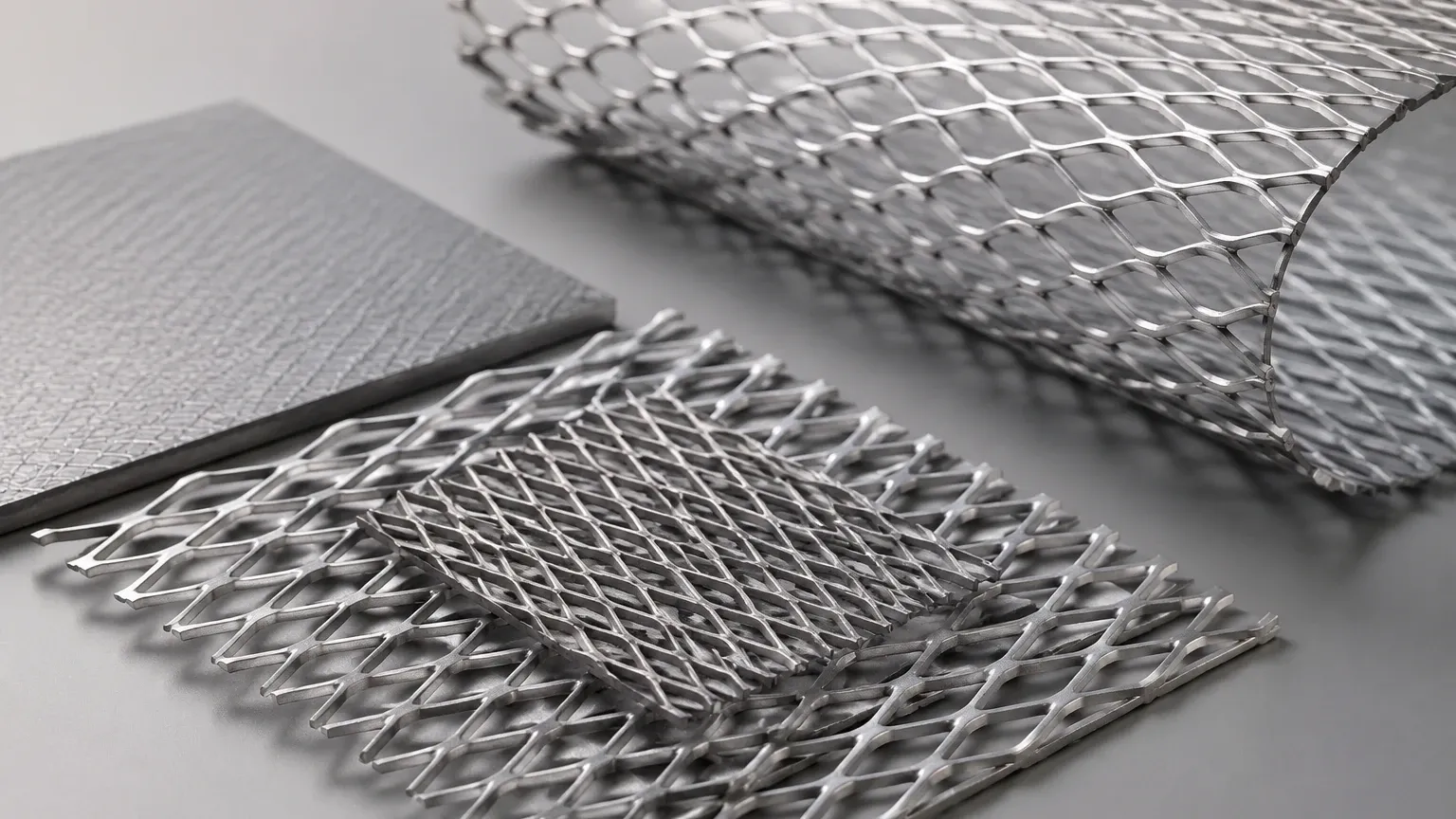
In industrial filtration and structural engineering, the selection of materials for support, containment, and separation is critical to the longevity and efficiency of a system. The expanded metal aluminum sheet represents a versatile solution that balances lightweight properties with structural rigidity. Unlike perforated metals, which are created by punching holes and removing material, expanded metal is manufactured by slitting and stretching a solid metal sheet simultaneously. This process creates a continuous piece of mesh with diamond-shaped openings, ensuring no material waste and maintaining the inherent strength of the original aluminum alloy.
For engineers and procurement professionals, understanding the technical nuances of Perforated & Expanded Metal is essential for optimizing performance in demanding environments such as chemical processing, HVAC systems, and hydraulic filtration. This guide examines the manufacturing characteristics, engineering specifications, and selection criteria necessary for integrating expanded aluminum components into industrial applications.
The Manufacturing Process and Structural Integrity
The production of an expanded metal aluminum sheet involves a reciprocating knife that slits the metal while the sheet is advanced and stretched. This creates a three-dimensional structure where the "strands" (the metal remaining after the slit) and "bonds" (where the strands intersect) are set at an angle to the original plane of the sheet.
There are two primary forms of expanded metal used in industrial settings:
1. Standard (Raised) Expanded Metal: In this form, the strands and bonds are angled, providing a textured surface and high rigidity. This is often preferred for applications requiring maximum strength-to-weight ratios or where a non-slip surface is beneficial.
2. Flattened Expanded Metal: After the expansion process, the sheet is passed through a cold-rolling reducing mill. This flattens the strands and bonds into the same plane, resulting in a smooth, level surface. Flattened expanded aluminum is frequently used when the mesh must be bonded to other filter media or when a thin profile is required for tight tolerances.
Because the expansion process does not involve the removal of material, the resulting mesh can be up to ten times the area of the original sheet while retaining much of its structural integrity. This makes it a highly cost-effective alternative to perforated metal in many coarse filtration and support applications.
Technical Specifications: SWD, LWD, and Open Area
When specifying an expanded metal aluminum sheet for a technical project, engineers must define several key dimensions that dictate the mesh's performance. Standard terminology includes:
* SWD (Short Way of Design): The distance from the center of one bond to the center of the next bond measured across the short diamond diagonal.
* LWD (Long Way of Design): The distance from the center of one bond to the center of the next bond measured across the long diamond diagonal.
* SWO (Short Way of Opening): The actual width of the opening, excluding the strands.
* LWO (Long Way of Opening): The actual length of the opening, excluding the strands.
* Strand Width: The amount of metal fed into the knives for each slit.
* Strand Thickness: The original thickness of the aluminum sheet.
Calculating the Open Area Percentage is vital for filtration applications to ensure adequate flow rates and minimize pressure drops. The open area determines how much fluid or air can pass through the mesh. In aluminum expanded metal, the open area can range from 10% to over 80%, depending on the expansion ratio. Engineers must balance the need for a high open area (for flow efficiency) with the need for structural support (for mechanical durability).
Material Advantages of Aluminum Alloys
While stainless steel is often the default choice for highly corrosive chemical environments, aluminum offers specific advantages that make it the superior choice for certain industrial sectors. The use of an expanded metal aluminum sheet is particularly prevalent in the following scenarios:
Corrosion Resistance and Oxide Layering
Aluminum naturally forms a protective oxide layer when exposed to air, providing excellent resistance to atmospheric corrosion. In HVAC and outdoor ventilation systems, aluminum mesh resists moisture-induced degradation without the need for additional coatings. For more aggressive environments, alloys such as 5052 or 6061 are often specified for their enhanced resistance to salt water and specific chemical compounds.
Weight-to-Strength Ratio
Aluminum is approximately one-third the weight of steel or stainless steel. In mobile hydraulic systems, aerospace components, or large-scale architectural filtration units, reducing the weight of the support structure can lead to significant energy savings and easier installation. Despite its low density, the expanded geometry provides sufficient rigidity to support finer filter media under pressure.
Thermal and Electrical Conductivity
Aluminum is an excellent conductor of both heat and electricity. Expanded aluminum sheets are frequently used in EMI/RFI shielding and as heat dissipation components in industrial electronics and machinery. In filtration, this conductivity can be leveraged to prevent static buildup in systems transporting flammable or sensitive fluids.
Applications in Industrial Filtration and Support
Within the scope of industrial filtration, the expanded metal aluminum sheet rarely acts as the primary fine-particle filter. Instead, it serves critical roles in the overall assembly of a filtration system:
* Filter Support and Pleat Spacing: In pleated air or liquid filters, expanded aluminum is used as a "backing" or support layer. It maintains the shape of the delicate filter media (such as glass fiber or synthetic membranes) against the force of the flow, preventing pleat collapse and ensuring the entire surface area of the filter is utilized.
* Coarse Pre-filtration: For systems dealing with large debris, such as intake screens for water treatment or industrial ventilation, expanded metal acts as a robust first line of defense, protecting downstream high-precision filters from physical damage.
* Centrifugal Filter Liners: The rigidity of raised expanded metal makes it suitable for lining the drums of centrifugal separators, where it must withstand high rotational forces while allowing liquid to pass through.
* Flame Arrestors: Due to its thermal conductivity and high surface area, layered expanded aluminum mesh is used in flame arrestor assemblies to dissipate heat and prevent the passage of flames through vent pipes or gas lines.
Engineering Considerations for Selection
Choosing the correct expanded metal aluminum sheet requires a thorough evaluation of the operating environment and mechanical requirements. Engineers should consider the following factors before procurement:
Pressure Drop and Flow Velocity
The geometry of expanded metal creates a more turbulent flow compared to perforated metal. While this can be beneficial for certain mixing applications, it may increase the pressure drop across the filter. Technical teams should model the flow velocity to ensure that the chosen SWD and LWD dimensions do not impede system performance.
Compatibility with Filter Media
If the expanded metal is to be used as a support for a fine wire mesh or membrane, the surface finish is paramount. Flattened expanded metal is generally preferred here to prevent the angled strands of a raised mesh from piercing or abrading the finer media. Furthermore, the compatibility of the aluminum alloy with the fluid being filtered must be verified to prevent galvanic corrosion if dissimilar metals are in contact.
Customization and OEM Requirements
Industrial applications often require non-standard dimensions. Customization options include specific sheet sizes, non-standard diamond patterns, and post-production treatments like anodizing or powder coating. Working with a manufacturer that understands the integration of Perforated & Expanded Metal into complex assemblies ensures that the final component meets the precise tolerances required for high-performance machinery.
Maintenance and Replacement Cycles
The durability of an expanded metal aluminum sheet is high, but it is not infinite. In filtration systems, the mesh should be inspected during routine maintenance for signs of "blinding" (permanent clogging of the openings) or mechanical fatigue. Because aluminum is softer than stainless steel, it may be more susceptible to erosion if the fluid contains highly abrasive particles at high velocities.
Cleaning cycles depend on the application. In grease filtration or HVAC settings, aluminum expanded metal can often be cleaned with mild detergents or ultrasonic baths. However, if the mesh shows signs of permanent deformation or significant thinning of the strands due to erosion, replacement is necessary to prevent the failure of the supported filter media.
Conclusion
The expanded metal aluminum sheet is a fundamental component in modern industrial design, offering a unique combination of lightweight efficiency, structural strength, and cost-effectiveness. By carefully selecting the appropriate alloy, expansion pattern, and finish, engineers can significantly enhance the reliability of filtration systems and industrial equipment. Whether used as a protective guard, a heat dissipator, or a structural support for precision filter cartridges, expanded aluminum remains a versatile tool in the engineer's repertoire. For those seeking specialized configurations, consulting with a manufacturer experienced in custom metal fabrication is the most effective way to ensure that the material properties align with the specific demands of the application.
