


Expanded Metal for Trailer
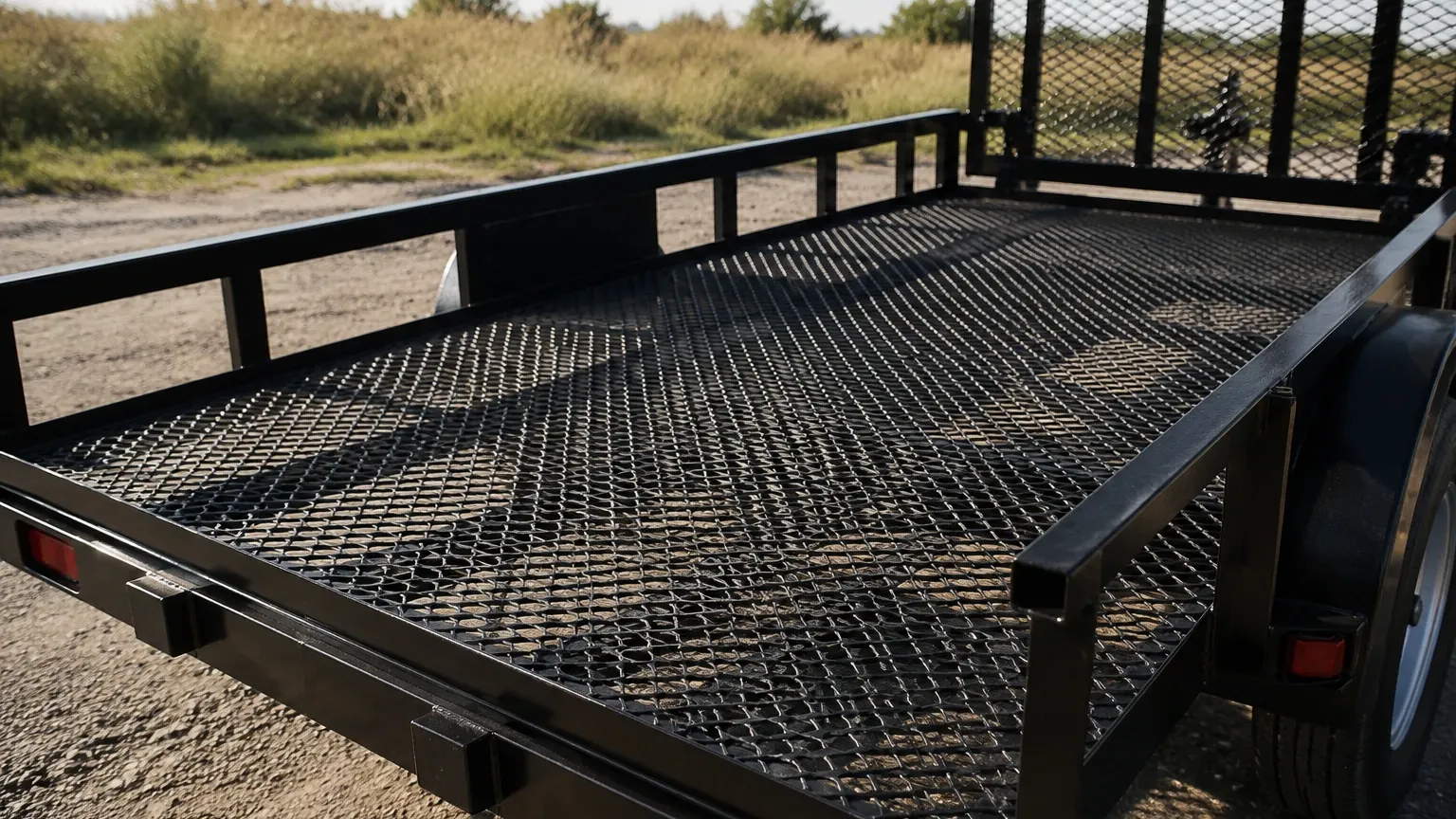
In the realm of industrial transport and utility equipment manufacturing, material selection for trailer flooring, ramps, and side walls is a critical engineering decision. Expanded metal has emerged as a primary choice for these applications due to its unique structural properties, offering a high strength-to-weight ratio, excellent traction, and superior drainage. Unlike solid plates or woven wire, expanded metal is produced from a single sheet of metal that is slit and stretched, creating a seamless mesh that maintains structural integrity even when cut.
For engineers and procurement specialists, selecting the right expanded metal for trailer use requires a deep understanding of load-bearing requirements, environmental exposure, and the specific mechanical characteristics of different metal alloys. This guide examines the technical considerations, material options, and engineering standards necessary to optimize trailer performance and safety.
Technical Specifications of Expanded Metal for Trailer Applications
To specify expanded metal accurately, engineers must look beyond basic dimensions and understand the terminology used in the manufacturing process. The performance of the mesh is determined by the relationship between the diamond openings and the thickness of the strands.
SWD and LWD Dimensions
The geometry of expanded metal is defined by two primary measurements: Short Way of Design (SWD) and Long Way of Design (LWD).
* SWD: The distance from the center of a bond to the center of the next bond across the short axis of the diamond.
* LWD: The distance across the long axis of the diamond.
For trailer floors and ramps, a smaller SWD is often preferred to prevent small objects or debris from falling through, while providing more contact points for tires or foot traffic. Conversely, a larger LWD can reduce the overall weight of the trailer, which is essential for improving fuel efficiency and increasing the net payload capacity.
Strand Thickness and Width
The strength of the mesh is a function of the strand thickness (the thickness of the original base metal) and the strand width (the amount of metal fed into the machine for each slit). In heavy-duty trailer applications, such as equipment haulers or car trailers, a thicker strand is necessary to withstand the point loads exerted by heavy machinery or vehicle tires.
Raised vs. Flattened Expanded Metal
There are two primary forms of expanded metal used in the industry:
1. Raised (Standard) Expanded Metal: The strands and bonds are set at a uniform angle to the plane of the sheet. This creates a textured surface that provides exceptional multi-directional traction, making it the industry standard for trailer ramps and walkways.
2. Flattened Expanded Metal: The raised mesh is passed through a cold-roll reducing mill, resulting in a smooth, flat surface. While this is easier to clean and provides a more uniform surface for sliding goods, it offers significantly less traction and is generally less rigid than the raised version.
Material Considerations for Industrial Trailers
The choice of material directly impacts the trailer's durability, weight, and total cost of ownership. While carbon steel is the most common material for general-purpose utility trailers, specialized applications often require more advanced alloys.
Carbon Steel
Carbon steel is the most cost-effective option for expanded metal for trailer floors. It provides high structural strength and is easily welded to the trailer frame. However, it is highly susceptible to corrosion. To ensure longevity, carbon steel expanded metal must be treated with a protective coating, such as hot-dip galvanizing or industrial-grade powder coating, particularly if the trailer will be used in coastal or high-moisture environments.
Aluminum
Aluminum expanded metal is favored for lightweight trailers and those used in marine environments. It offers a superior strength-to-weight ratio compared to steel and possesses natural corrosion resistance. While the initial material cost is higher, the reduction in trailer weight can lead to significant long-term savings in fuel and maintenance for the towing vehicle.
Stainless Steel
For trailers used in the chemical processing, pharmaceutical, or food and beverage industries, stainless steel is the preferred material. Stainless steel expanded metal provides the highest level of corrosion resistance and can withstand rigorous cleaning protocols involving harsh chemicals. As a professional manufacturer, Kaifil specializes in providing high-performance Perforated & Expanded Metal solutions in various stainless steel grades, ensuring that even the most demanding industrial requirements are met with precision.
Load-Bearing Performance and Engineering Calculations
When designing a trailer floor or ramp, engineers must calculate both static and dynamic loads. Static load refers to the weight of the cargo when the trailer is stationary, while dynamic load accounts for the forces exerted during loading, unloading, and transit.
Point Loads vs. Distributed Loads
One of the most common mistakes in trailer design is failing to account for point loads. For example, the small wheels of a heavy piece of equipment exert a high concentration of force on a very small area of the expanded metal. If the gauge of the metal is too thin, the mesh will deform or "dish" over time. For heavy-duty equipment trailers, a common specification is 3/4" #9 expanded metal (where #9 represents the gauge), which provides the necessary rigidity to handle heavy point loads without significant deflection.
Open Area and Airflow
The "open area" percentage of expanded metal is a critical factor for trailers that transport equipment with cooling requirements or for trailers used in high-wind environments. A higher open area reduces wind resistance (drag) when the trailer is empty, which can improve towing stability and fuel economy. However, an increase in open area usually corresponds to a decrease in structural strength, requiring a careful engineering balance.
Safety and Traction: The Role of Raised Diamond Patterns
Safety is a primary concern in trailer design, especially regarding ramps used for loading vehicles, ATVs, or lawn equipment. The raised strands of standard expanded metal act as built-in cleats, providing grip even in wet, muddy, or icy conditions.
In many industrial settings, the slip resistance of the trailer surface must meet specific safety standards (such as OSHA or local industrial safety regulations). The angular nature of the expanded metal strands provides a mechanical lock for rubber tires and boot soles. Engineers often specify a specific "diamond size" to ensure that the grip is aggressive enough for the intended application without causing damage to the items being transported.
Customization and Procurement for OEM Manufacturers
For original equipment manufacturers (OEMs), off-the-shelf expanded metal sheets may not always meet the specific dimensional or performance requirements of a new trailer design. Customization allows for optimized material usage and reduced waste during the assembly process.
Custom Sheet Sizes and Shearing
Ordering expanded metal in custom-sheared sizes can significantly reduce labor costs in the factory. Precision shearing ensures that the edges of the mesh align perfectly with the trailer frame, facilitating faster and cleaner welds.
Material Selection and Accuracy
Working with a manufacturer that understands the nuances of filtration and precision metal components is vital. At Kaifil, the focus is on delivering reliable filtration and metal solutions that meet exact specifications. Whether the requirement is for a specific filtration accuracy in a chemical transport trailer or a high-durability mesh for a utility ramp, the emphasis remains on quality and precise performance. For more information on technical specifications and custom options, engineers can Review product options and application support to find the ideal solution for their project.
Installation Best Practices and Durability
The method of attachment is just as important as the material itself. Improper installation can lead to premature failure, rattling, or safety hazards.
Welding Techniques
Expanded metal is typically secured to the trailer frame via tack welding. It is crucial to weld at the "bonds" (where the diamonds meet) rather than the strands to ensure maximum strength. For aluminum trailers, TIG or MIG welding with the appropriate filler wire is required to prevent cracking and ensure a clean finish.
Perimeter Support
Because expanded metal is a flexible mesh, it requires adequate perimeter and intermediate support. The spacing of the cross-members in the trailer frame should be calculated based on the expected load and the deflection limits of the chosen expanded metal gauge. Generally, cross-members should be spaced no more than 12 to 16 inches apart for standard utility trailer floors.
Finishing and Maintenance
To maximize the lifespan of expanded metal for trailer use, regular inspections are necessary. For galvanized steel, any scratches that penetrate the zinc coating should be touched up with cold-galvanizing spray to prevent rust from spreading. For stainless steel and aluminum, regular cleaning to remove salt and road debris will prevent pitting and maintain the aesthetic and structural integrity of the metal.
Conclusion
Selecting the appropriate expanded metal for a trailer involves a complex evaluation of material properties, load requirements, and environmental factors. By understanding the technical differences between raised and flattened mesh, and by choosing the correct alloy and gauge, engineers can design trailers that are safe, durable, and efficient. Whether the application is a light-duty utility trailer or a specialized industrial hauler, the structural advantages of expanded metal continue to make it an indispensable material in the transport industry.
