


Expanded Metal Harga
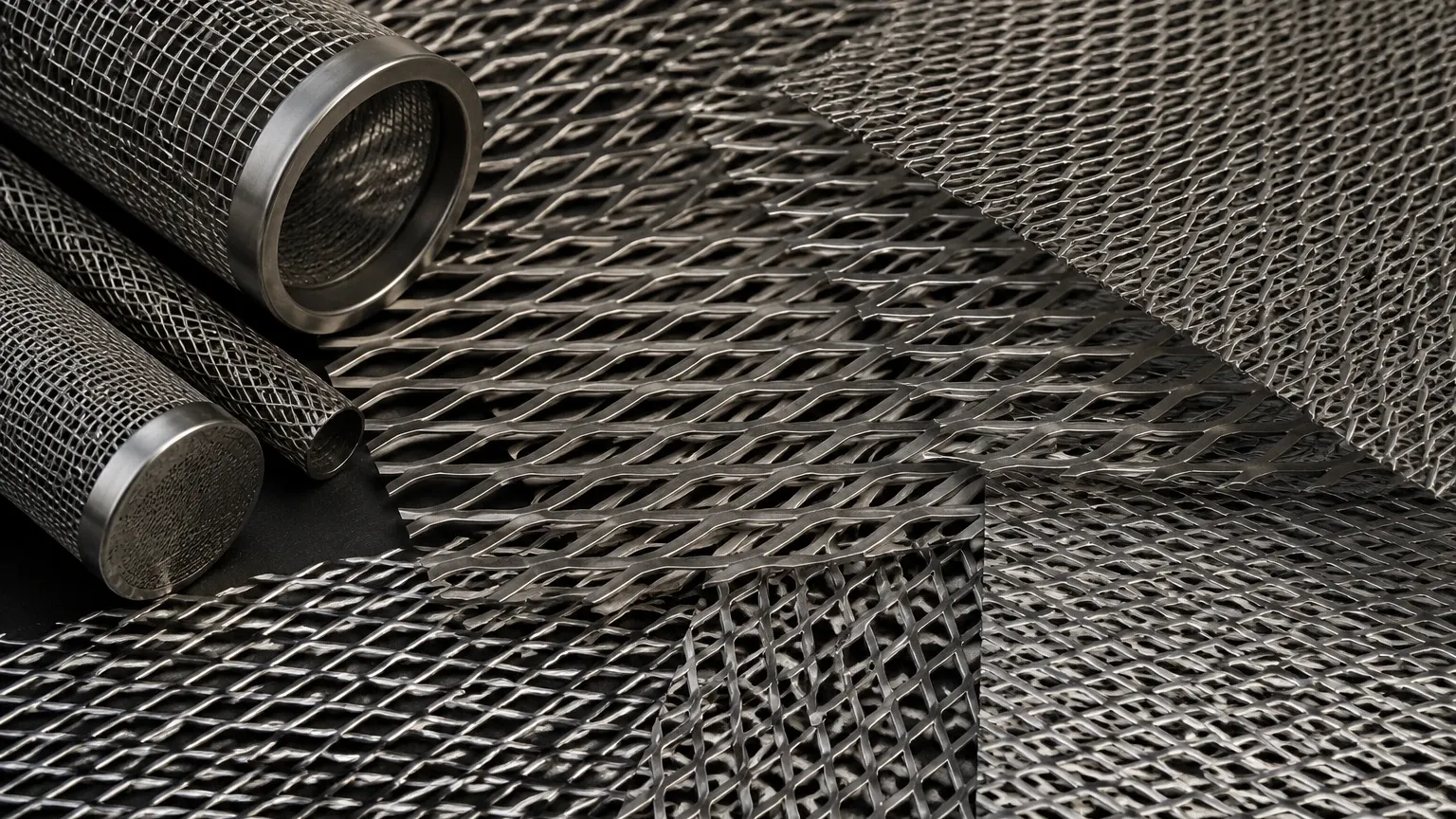
In the industrial procurement landscape, understanding the factors that determine expanded metal harga—the price and valuation of expanded metal products—is essential for engineers and purchasing managers. Expanded metal is a versatile material widely used in filtration, structural support, and architectural applications. Unlike perforated metal, which is created by punching holes and generating waste material, expanded metal is produced by slitting and stretching a single sheet of metal. This process results in a diamond-shaped mesh that offers high structural integrity with minimal material loss. For technical professionals, evaluating the cost of these components requires a deep dive into material grades, mesh dimensions, and manufacturing complexities.
At Kaifil, a specialist in stainless steel filtration solutions, we recognize that the "harga" or cost of expanded metal is not merely a reflection of the raw material weight. It is a composite of engineering tolerances, material performance characteristics, and the specific requirements of the application environment. Whether the metal is intended for chemical processing, food production, or hydraulic systems, the selection process must balance upfront costs with long-term durability.
The Relationship Between Manufacturing and Cost
The manufacturing process of expanded metal is inherently more efficient than many other metal fabrication methods. Because the metal is stretched rather than punched, there is virtually no scrap produced during the expansion phase. This efficiency is a primary driver of the competitive pricing often associated with expanded metal compared to Perforated & Expanded Metal alternatives where material waste is a significant factor.
However, the complexity of the machinery and the precision required to maintain consistent diamond sizes can influence the final price. The expansion ratio—the degree to which the metal is stretched—determines the open area and the weight of the final product. A higher expansion ratio results in a lighter, more transparent mesh, which typically uses less raw material and can lower the unit price. Conversely, a tighter mesh with smaller openings requires more processing time and more raw material per square meter, leading to a higher price point.
Key Technical Factors Influencing Expanded Metal Harga
When requesting a quote for expanded metal, several technical specifications must be defined. Each of these variables directly impacts the manufacturing effort and the material cost.
1. Material Grade
Material selection is the most significant contributor to the cost. In industrial filtration, stainless steel is the standard due to its corrosion resistance and mechanical strength.
- SS304: The most common grade, offering good corrosion resistance for general industrial use. It is typically the baseline for pricing.
- SS316/316L: Contains molybdenum, providing superior resistance to chlorides and acids. This grade is essential for marine environments and chemical processing but comes at a premium price compared to SS304.
- Specialty Alloys: For extreme temperatures or highly corrosive environments, alloys like Monel or Inconel may be used, significantly increasing the cost.
2. Mesh Dimensions (LWD and SWD)
Expanded metal is defined by the Long Way of Design (LWD) and the Short Way of Design (SWD). These dimensions refer to the distances between the centers of the diamonds. Smaller SWD measurements mean more diamonds per square foot, which requires more precise machine calibration and slower production speeds, thus increasing the cost.
3. Strand Width and Thickness
The thickness of the original sheet and the width of the strands remaining after the slitting process determine the strength and weight of the mesh. Heavier strands provide more durability and higher pressure resistance in filtration applications but require more raw material, which is reflected in the price.
4. Raised vs. Flattened Expanded Metal
- Raised (Standard): The metal is left in its expanded state, where the strands are at an angle to the plane of the sheet. This is the standard output of the expansion machine.
- Flattened: The raised mesh is passed through a cold-rolling reducing mill, which flattens the strands into the same plane as the sheet. Flattening adds an extra step to the manufacturing process, which typically increases the price, though it provides a smoother surface often required for certain filter configurations.
Evaluating Value in Industrial Applications
For engineers, the "harga" of expanded metal should be evaluated based on the Total Cost of Ownership (TCO). A lower-priced carbon steel mesh might seem attractive initially, but in a chemical processing plant, the rapid onset of corrosion would lead to frequent replacements and costly downtime. In such cases, investing in a high-quality stainless steel expanded metal from a manufacturer like Kaifil ensures a longer service life and better performance stability.
In filtration systems, expanded metal often serves as a support structure for finer wire mesh layers. The precision of the expanded metal is critical here; if the strands are uneven or the mesh is not perfectly flat, it can cause mechanical stress on the fine filter media, leading to premature failure. Therefore, the value is found in the precision of the manufacturing rather than just the lowest price per sheet.
Common Risks in Low-Cost Procurement
When searching for the lowest expanded metal harga, procurement teams may encounter several risks that can compromise the integrity of the final industrial system:
* Material Substitution: Low-cost suppliers may use lower-grade alloys that do not meet the specified corrosion resistance standards. This is particularly dangerous in the food and beverage or pharmaceutical industries where material purity is non-negotiable.
* Inconsistent Tolerances: Variations in LWD and SWD can lead to issues during assembly, especially if the expanded metal needs to fit into a precision-machined filter housing.
* Burrs and Sharp Edges: Inadequately finished expanded metal can have sharp burrs that damage other filter components or pose safety risks to maintenance personnel. High-quality manufacturers include deburring and cleaning as part of their standard process.
* Lack of Certification: Industrial applications often require material test reports (MTRs) to verify the chemical composition of the steel. Low-cost providers may lack the documentation necessary for compliance with industry standards.
Customization and OEM Considerations
Kaifil specializes in providing customized filtration solutions. Customization allows engineers to specify the exact dimensions and performance characteristics needed for their application, which can actually lead to cost savings by eliminating the need for further on-site modification.
When ordering custom expanded metal, consider the following to optimize the price:
- Standard Sheet Sizes: Ordering in dimensions that align with standard manufacturing widths (e.g., 1000mm or 1220mm) reduces waste and lowers the price per unit.
- Volume Orders: Like most industrial manufacturing, expanded metal production benefits from economies of scale. The setup time for the expansion press is a fixed cost; spreading that cost over a larger number of units reduces the individual price.
- Finishing Requirements: Specify if the metal requires pickling, passivation, or electropolishing. While these processes add to the cost, they are essential for maximizing the lifespan of stainless steel in harsh environments.
How to Confirm Specifications Before Purchasing
To ensure you receive an accurate and competitive quote for expanded metal, it is vital to provide a comprehensive technical brief. Before taking the next step in procurement, confirm the following details with your engineering team:
1. Material Grade: Specify SS304, SS316L, or other alloys based on the chemical compatibility of the fluid being filtered.
2. Style: Indicate whether you require "Standard/Raised" or "Flattened" mesh.
3. Opening Sizes: Provide the LWD and SWD requirements. If the open area percentage is critical for flow rates, specify that as well.
4. Strand Dimensions: Define both the thickness of the material and the width of the strand.
5. Overall Dimensions: Provide the length and width of the sheets or the specific dimensions of the finished parts.
6. Quantity: Clearly state the required volume to allow for accurate scale-based pricing.
Conclusion
Navigating the complexities of expanded metal harga requires a balance between technical requirements and budgetary constraints. By focusing on the material quality, manufacturing precision, and the specific needs of the industrial application, procurement professionals can secure filtration components that offer the best long-term value.
Kaifil remains committed to delivering high-performance, custom stainless steel filtration solutions. Our expertise in manufacturing ensures that every piece of expanded metal meets rigorous industrial standards, providing the reliability needed for demanding environments. For those seeking precise specifications and reliable performance, understanding the technical drivers of cost is the first step toward a successful filtration project.
