


Home Depot Expanded Metal
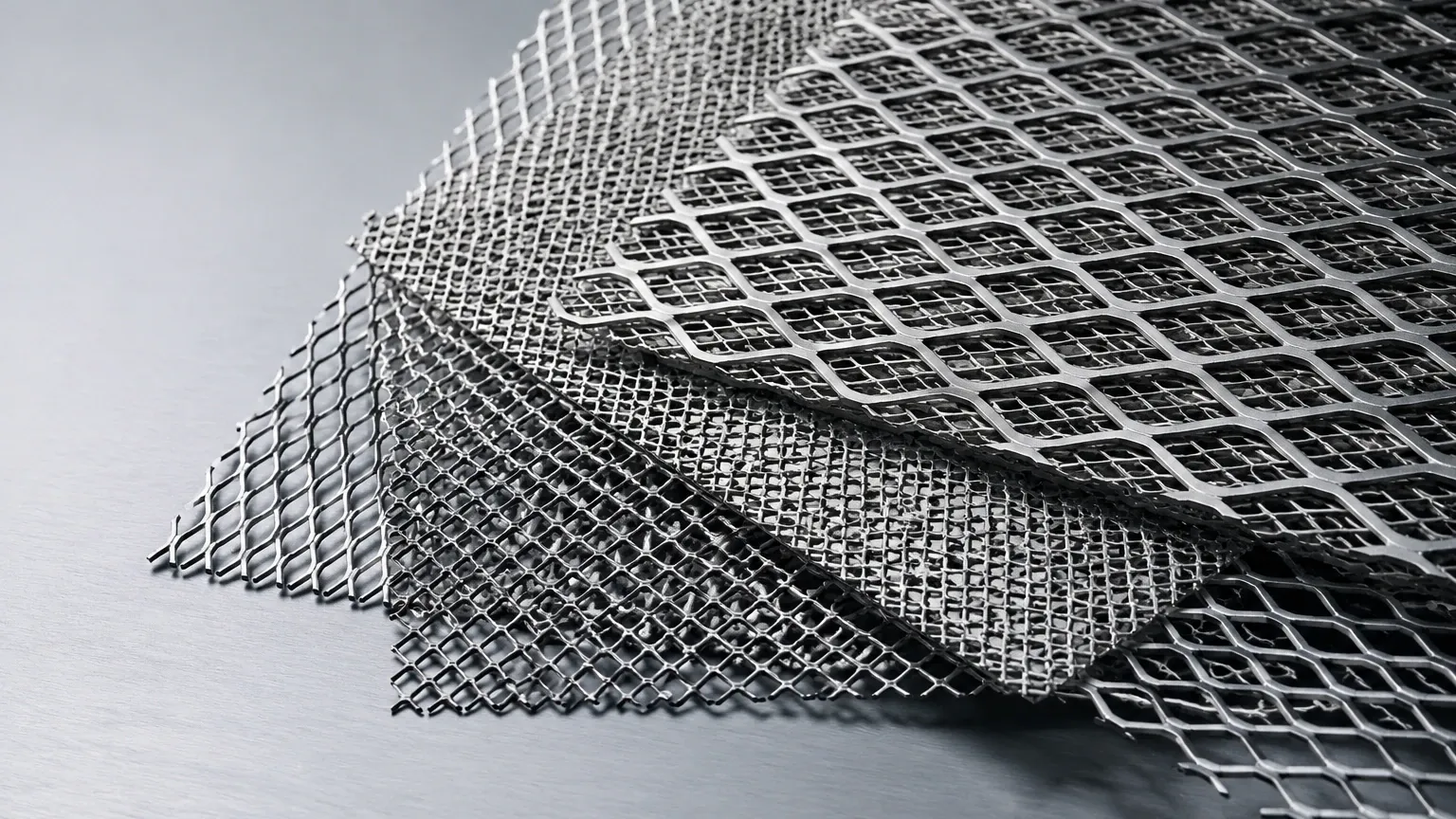
Expanded metal is a versatile industrial material created by simultaneously slitting and stretching a metal sheet, resulting in a diamond-shaped pattern of openings. While many maintenance managers and small-scale fabricators frequently search for home depot expanded metal to address immediate, localized needs, industrial-scale applications—particularly in filtration and chemical processing—require a more rigorous approach to material selection, tolerances, and metallurgical integrity.
For engineers and procurement professionals, understanding the distinction between retail-grade hardware and precision-engineered Perforated & Expanded Metal is critical for ensuring the longevity and efficiency of industrial systems. This guide examines the technical specifications, material considerations, and engineering criteria necessary for selecting the right expanded metal solution for demanding B2B environments.
Understanding the Scope of Retail-Grade Expanded Metal
The availability of expanded metal at retail outlets like Home Depot provides a convenient solution for general-purpose tasks such as basic machinery guarding, DIY shelving, or residential security screens. These products are typically stocked in standard sizes—often small sheets—and are generally limited to carbon steel or aluminum with a mill finish.
However, the "home depot expanded metal" inventory is rarely designed to meet the stringent requirements of the chemical, pharmaceutical, or food and beverage industries. In these sectors, factors such as precise open area percentages, specific stainless steel grades (like 316L), and burr-free finishes are non-negotiable. While retail sourcing works for non-critical structural components, industrial filtration and high-performance equipment demand a direct-from-manufacturer approach to ensure that the material can withstand corrosive environments and high-pressure differentials.
Technical Parameters: SWD, LWD, and Open Area Calculations
When specifying expanded metal for industrial use, engineers must move beyond basic dimensions and focus on the geometry of the mesh. The performance of the material, especially in filtration and airflow applications, is dictated by four primary measurements:
1. SWD (Short Way of Design): The distance from the center of one bond to the center of the next bond across the short diamond diagonal.
2. LWD (Long Way of Design): The distance from the center of one bond to the center of the next bond across the long diamond diagonal.
3. Strand Width: The amount of metal fed into the precision dies to create the strand.
4. Strand Thickness: The thickness of the original base metal sheet.
These parameters determine the "Open Area" of the mesh, which is a vital calculation for engineers designing filtration systems or heat exchangers. A higher open area allows for lower pressure drops and increased flow rates, while a tighter mesh provides finer filtration. Unlike retail-grade options where these specs are fixed, industrial Perforated & Expanded Metal can be customized to achieve the exact flow characteristics required for a specific process.
Material Integrity: Why Stainless Steel Grades Matter in Industrial Filtration
A primary limitation of sourcing expanded metal from general retail is the lack of material variety and certification. Most retail stock is standard A36 carbon steel, which is prone to oxidation unless heavily coated. In contrast, Kaifil specializes in stainless steel filtration solutions where material chemistry is paramount.
* Grade 304 Stainless Steel: The standard for most industrial applications, offering excellent strength and basic corrosion resistance. It is suitable for food processing and general industrial use where exposure to harsh chemicals is limited.
* Grade 316/316L Stainless Steel: Contains molybdenum, which provides superior resistance to chlorides and pitting. This is the industry standard for marine environments, pharmaceutical manufacturing, and chemical processing plants.
* Specialty Alloys: For extreme environments involving high temperatures or highly acidic media, manufacturers can provide expanded metal in alloys like Monel, Inconel, or Titanium.
For B2B buyers, obtaining a Material Test Report (MTR) is essential to verify the alloy's composition. This level of traceability is rarely available for retail-grade products but is a standard requirement for industrial quality control.
Comparing Raised vs. Flattened Expanded Metal for Industrial Use
One of the most important decisions an engineer must make is whether to use "Standard" (Raised) or "Flattened" expanded metal. Each has distinct mechanical properties that impact its suitability for different applications.
Standard (Raised) Expanded Metal
Standard expanded metal comes off the machine with the strands and bonds set at a uniform angle to the plane of the sheet. This creates a three-dimensional surface that offers several advantages:
* Rigidity: The angled strands provide a high strength-to-weight ratio and excellent structural stiffness.
* Grip and Deflection: The raised surface is ideal for anti-skid walkways or for deflecting debris in intake screens.
* Filtration Depth: In certain filtration applications, the angled strands help create a more complex flow path, which can be beneficial for trapping larger particulates.
Flattened Expanded Metal
Flattened expanded metal is produced by passing the standard expanded sheet through a cold-roll reducing mill. This process flattens the strands and bonds into a single plane, resulting in a smooth, flat surface. This is often preferred for:
* Filter Support Layers: A flat surface prevents the delicate wire mesh of a primary filter from being punctured or abraded by the support structure.
* Safety: Flattened metal eliminates the sharp edges associated with raised strands, making it safer for components that require frequent handling.
* Precision Thickness: The rolling process ensures a consistent thickness across the entire sheet, which is critical for components that must fit into tight tolerances within a filter housing.
Engineering Selection: When to Transition from Retail to Custom Manufacturing
For many engineering teams, the transition from searching for home depot expanded metal to partnering with an industrial manufacturer like Kaifil occurs when the project moves from the "concept" phase to the "production" or "critical system" phase. There are several triggers that necessitate this shift:
1. Custom Dimensions: Retail sheets are typically limited to 2'x4' or 4'x8'. Industrial applications often require custom-cut circles, cylinders, or oversized sheets to minimize welding and waste.
2. Filtration Accuracy: If the expanded metal is being used as a primary filter medium, the SWD and LWD must be precise to ensure consistent particle retention. Manufacturing tolerances at the industrial level are significantly tighter than those found in consumer-grade hardware.
3. Edge Treatments: Industrial filters often require "safe edges" or solid borders (unexpanded areas) to facilitate welding into a frame or housing. Retail expanded metal is usually "random cut," meaning the diamonds are cut through at the edges, leaving sharp points and making it difficult to achieve a clean weld.
4. Quantity and Consistency: For OEM applications, consistency across thousands of units is required. Retail sourcing cannot guarantee that the batch purchased today will match the metallurgical or dimensional specs of the batch purchased next month.
Total Cost of Ownership and Long-Term Performance
While the initial price of a retail sheet of expanded metal may seem lower, the Total Cost of Ownership (TCO) often favors industrial-grade solutions from a specialized manufacturer. In a B2B context, the cost of a component is not just the purchase price, but also the costs associated with installation, maintenance, and potential failure.
Durability and Replacement Cycles
In a chemical processing plant, a carbon steel screen sourced from a retail outlet may fail within months due to corrosion. Replacing that screen requires system downtime, labor costs, and the purchase of a new part. Conversely, a precision-manufactured 316L stainless steel Perforated & Expanded Metal component might last for years, significantly reducing the long-term operational expenditure.
Process Efficiency
In filtration, the precision of the open area directly impacts the energy consumption of the pumps. A poorly specified mesh with a lower-than-optimal open area increases backpressure, forcing the system to work harder and consume more energy. By working with an engineering-focused manufacturer, companies can optimize these parameters to ensure maximum process efficiency.
Compliance and Safety
Industries such as food and beverage or pharmaceuticals must adhere to strict regulatory standards (e.g., FDA or 3-A Sanitary Standards). Industrial manufacturers provide the necessary documentation and surface finishes (such as electropolishing) to ensure that the expanded metal components do not harbor bacteria and can be cleaned effectively. Retail-grade metal rarely meets these sanitary requirements.
Conclusion
While the convenience of home depot expanded metal makes it a viable option for simple, non-critical repairs or residential projects, it is rarely the right choice for industrial engineering applications. For professionals in the filtration, chemical, and manufacturing sectors, the focus must remain on technical specifications, material certifications, and long-term durability.
By selecting high-quality Perforated & Expanded Metal designed for specific industrial environments, engineers can ensure their systems operate with maximum reliability and efficiency. Whether you require a robust support structure for a filter cartridge or a precision-engineered screen for chemical processing, partnering with a specialized manufacturer like Kaifil provides the technical expertise and customization necessary to meet the most demanding application requirements.
