


Expanded Metal Jamaica
In the landscape of industrial engineering and infrastructure development, the selection of high-performance materials is a critical factor in ensuring long-term operational efficiency. For industrial sectors in Jamaica—ranging from bauxite mining and alumina processing to food production and coastal construction—the demand for durable, versatile, and corrosion-resistant mesh solutions is significant. Expanded metal, a unique material formed by slitting and stretching a single metal sheet, offers a structural integrity and cost-efficiency that makes it a preferred choice for engineers and procurement specialists.
When sourcing Perforated & Expanded Metal for projects in Jamaica, technical professionals must look beyond simple aesthetics. They must evaluate the material’s performance in high-humidity, saline environments and its ability to withstand the rigorous demands of heavy industry. This guide provides a technical overview of expanded metal specifications, its applications within the Jamaican industrial context, and the engineering considerations necessary for successful implementation.
Technical Fundamentals of Expanded Metal
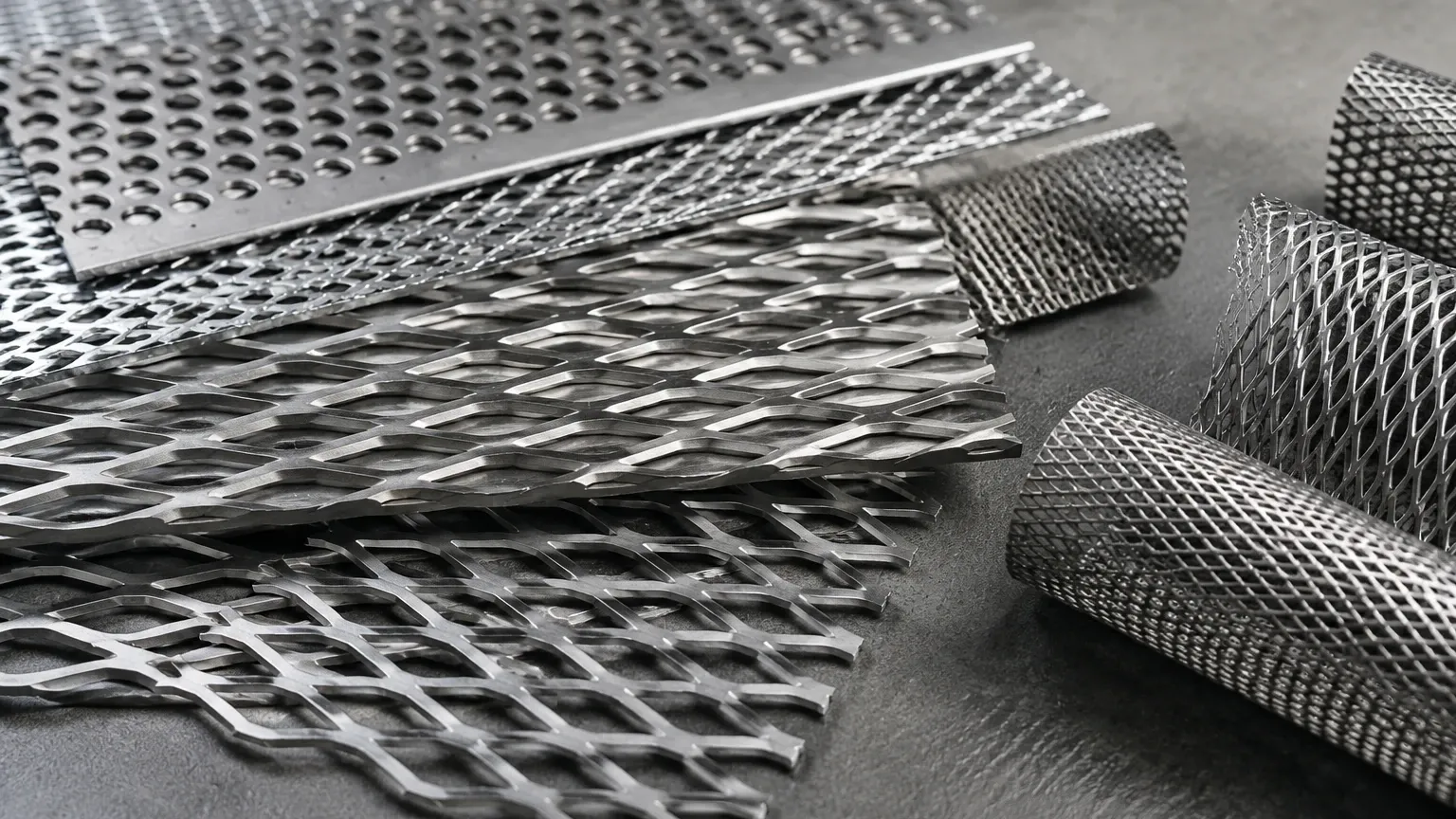
Expanded metal is manufactured through a cold-forming process where a solid sheet of metal is simultaneously slit and stretched. This creates a diamond-shaped pattern of openings, with the metal strands remaining interconnected without the use of welds or joints. This process results in a product that is stronger, lighter, and more rigid than the original base material.
Key Geometric Parameters
To specify expanded metal accurately, engineers must understand the standard nomenclature used in the industry:
* SWD (Short Way of Diamond): The distance from the center of one bond to the center of the next bond across the short axis.
* LWD (Long Way of Diamond): The distance across the long axis of the diamond.
* Strand Width: The amount of metal fed into the expanding machine between the dies.
* Strand Thickness: The original thickness of the base metal sheet.
* Open Area: The percentage of the total area that is occupied by the openings, which is critical for airflow, light transmission, and filtration efficiency.
Unlike traditional woven wire mesh, expanded metal does not unravel. If a single strand is cut, the remaining intersections continue to hold the sheet together, providing superior structural stability in high-vibration environments.
Material Selection for Expanded Metal Jamaica
Jamaica’s tropical climate presents unique challenges for metal components. The combination of high humidity and proximity to the ocean leads to accelerated atmospheric corrosion. Selecting the correct alloy is the first step in ensuring the longevity of any expanded metal installation.
Stainless Steel Solutions
For industrial applications in Jamaica, stainless steel is often the gold standard.
1. Grade 304: Suitable for general industrial use and indoor applications where moisture is present but salt exposure is limited. It provides excellent strength and moderate corrosion resistance.
2. Grade 316: Highly recommended for coastal regions and chemical processing plants. The addition of molybdenum enhances resistance to chloride-induced pitting, making it the ideal choice for expanded metal jamaica projects located near the shoreline or in harsh chemical environments.
Specialized Coatings
While stainless steel is preferred for many high-end applications, carbon steel expanded metal can be used if properly treated. Galvanization (Hot-Dip) or high-performance epoxy coatings are essential to prevent oxidation. However, for filtration and precision industrial components, the inherent properties of stainless steel often provide a lower total cost of ownership over the product's lifecycle.
Industrial Applications in the Jamaican Context
Jamaica’s economy relies on several key sectors where Perforated & Expanded Metal plays a vital role. Understanding these applications helps engineers select the right mesh configuration for their specific needs.
Bauxite and Alumina Processing
As one of the world's leading producers of bauxite, Jamaica requires heavy-duty filtration and screening materials. Expanded metal is used in the Bayer process for coarse filtration of slurries and as protective guards for high-temperature machinery. The high strength-to-weight ratio allows for the creation of large-scale walkways and stair treads that provide grip and safety for workers in processing plants.
Food and Beverage Production
In the production of sugar, rum, and processed foods, hygiene and durability are paramount. Stainless steel expanded metal is utilized in drying racks, sorting trays, and as a primary filtration layer for liquid separation. Its smooth, easy-to-clean surface (when flattened) complies with stringent sanitary standards required in food-grade environments.
Infrastructure and Security
For general construction and infrastructure, expanded metal serves as a robust solution for security fencing, window guards, and architectural facades. In Jamaica, where hurricane resistance is a design requirement, the wind-permeable nature of expanded metal reduces the wind load on structures compared to solid panels, while maintaining a high level of physical security.
Engineering Considerations: Standard vs. Flattened
When ordering expanded metal, engineers must choose between "standard" (raised) and "flattened" varieties.
* Standard Expanded Metal: This version features strands that are set at an angle to the plane of the sheet. This provides maximum rigidity and a slip-resistant surface, making it ideal for ramps and walkways. In filtration, the raised strands can create turbulence, which may be desirable in certain fluid dynamics applications.
* Flattened Expanded Metal: After the expansion process, the sheet is passed through a cold-roll reducing mill. This flattens the strands and bonds, creating a smooth, level surface. Flattened metal is easier to weld and is often used for fine filtration support, machine guards, and decorative panels where a flush surface is required.
Filtration Efficiency and Performance
In the context of industrial filtration, expanded metal often serves as a support structure for finer wire mesh or as a standalone coarse filter. When evaluating expanded metal jamaica for filtration systems, engineers should focus on the following performance metrics:
1. Pressure Drop: The open area percentage directly impacts the pressure drop across the filter. A higher open area reduces energy consumption in pumping systems but may compromise structural strength.
2. Solids Retention: The SWD and LWD dimensions determine the maximum particle size that can pass through the mesh. For precision applications, custom diamond sizes may be necessary to meet specific filtration targets.
3. Mechanical Strength: In high-pressure hydraulic or water treatment systems, the expanded metal must withstand significant differential pressure without deforming. The interconnected bonds of expanded metal provide better resistance to "bursting" than many other mesh types.
Procurement and Quality Assurance
For purchasing teams in Jamaica, sourcing industrial-grade expanded metal involves verifying that the supplier meets international standards such as ASTM F1267. When evaluating a manufacturer like Kaifil, it is important to confirm:
* Material Certifications: Ensure that the stainless steel used is verified for its alloy content (e.g., Mill Test Reports).
* Dimensional Tolerances: Precision in SWD, LWD, and thickness is vital for components that must fit into larger assemblies or filter housings.
* Customization Capabilities: Many industrial projects require non-standard sheet sizes or specific diamond configurations. A manufacturer capable of OEM production can provide tailored solutions that reduce on-site cutting and waste.
Installation and Maintenance Best Practices
To maximize the lifespan of expanded metal in Jamaican industrial environments, proper installation and maintenance are required.
* Welding: When welding stainless steel expanded metal, use compatible filler rods (e.g., 308L for 304 stainless) to maintain corrosion resistance at the joints.
* Avoid Galvanic Corrosion: Ensure that the expanded metal is not in direct contact with dissimilar metals (like aluminum or carbon steel) in the presence of moisture, as this will lead to rapid electrolytic corrosion.
* Routine Cleaning: In food processing or coastal applications, regular rinsing to remove salt deposits and organic buildup will significantly extend the service life of the material.
Conclusion
Expanded metal remains a cornerstone of industrial design due to its versatility and inherent strength. For the Jamaican market, where environmental factors and heavy industrial demands intersect, selecting high-quality Perforated & Expanded Metal is essential. By focusing on material grade, geometric precision, and application-specific requirements, engineers can ensure that their filtration and structural systems perform reliably for years to come.
Whether the application is bauxite processing, food production, or architectural security, the right expanded metal solution provides a balance of performance and cost-effectiveness. For those seeking specialized or OEM filtration components, partnering with a manufacturer that understands the nuances of material science and industrial engineering is the most effective path to project success.
