


Jual Expanded Metal Agro Industri Surabaya
In the rapidly evolving landscape of the Indonesian agricultural sector, particularly within the industrial hub of East Java, the demand for high-performance materials has never been greater. For technical professionals and procurement officers seeking solutions under the category of "jual expanded metal agro industri surabaya," the focus extends beyond mere availability. The priority is finding precision-engineered components that can withstand the rigorous demands of grain processing, seed sorting, and large-scale ventilation systems.
As a specialized manufacturer of stainless steel filtration solutions, Kaifil understands that Perforated & Expanded Metal serves as the backbone of many agro-industrial processes. Whether used for drying floors, protective screening, or structural reinforcement, the technical specifications of these materials directly impact the efficiency and longevity of industrial equipment.
Understanding Expanded Metal in Agricultural Applications
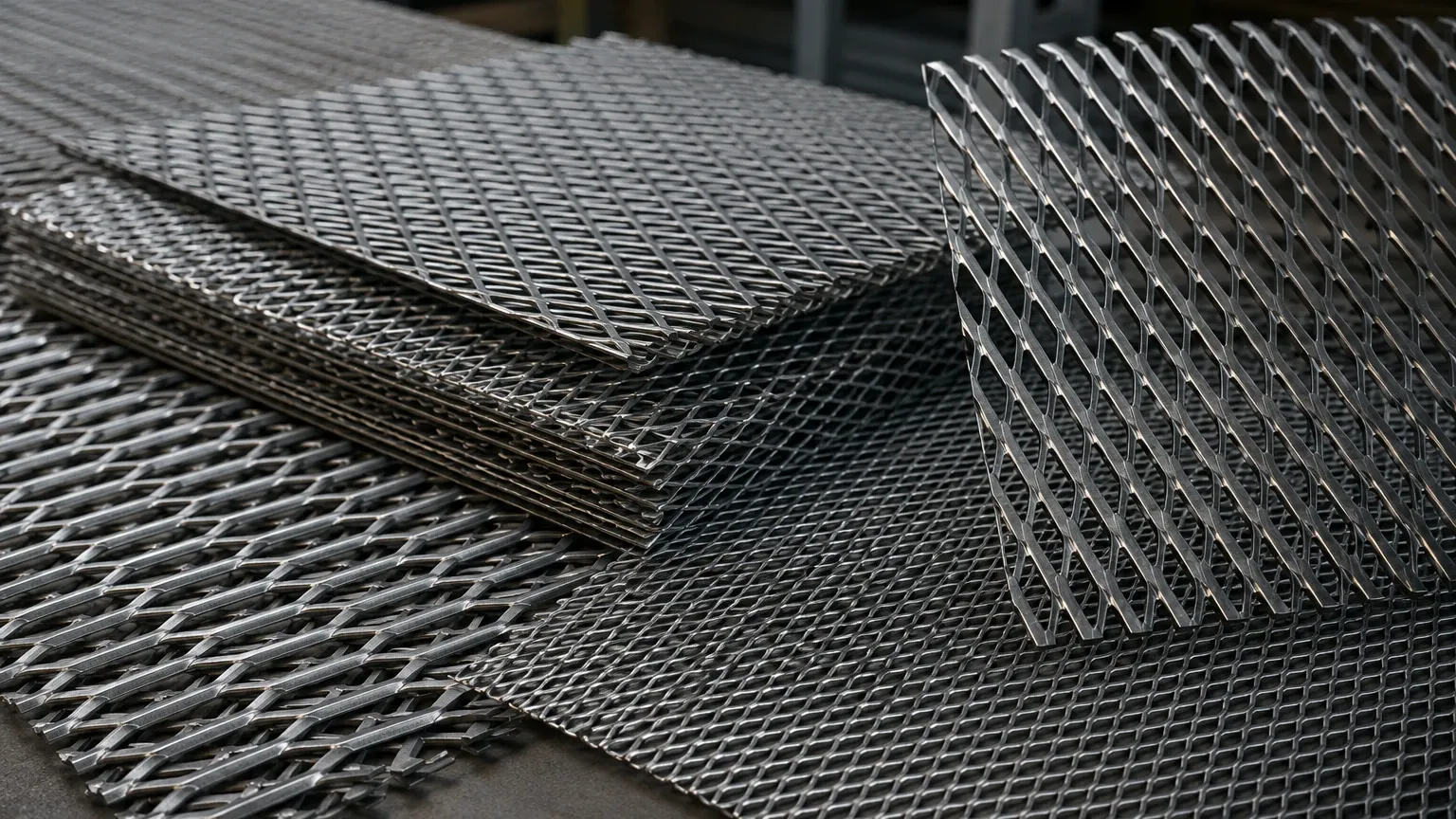
Expanded metal is a unique material produced by simultaneously slitting and stretching a solid sheet of metal. This process creates a diamond-shaped pattern of openings, which provides a high strength-to-weight ratio. In the agro-industry, this material is indispensable due to its versatility and structural integrity.
In the context of Surabaya’s agro-industrial facilities, expanded metal is frequently utilized in several key areas:
1. Grain Drying and Aeration: The open area of the mesh allows for consistent airflow, which is critical for maintaining the quality of harvested crops. By controlling the diamond size and strand width, engineers can optimize the pressure drop across the drying bed.
2. Sorting and Grading: Precision is paramount when separating seeds or grains by size. Unlike woven wire mesh, expanded metal is a single piece of material, meaning the "knots" or junctions cannot fray or shift, ensuring consistent aperture sizes over long periods of use.
3. Protective Enclosures: Industrial machinery in agro-processing plants requires robust guarding that does not impede visibility or ventilation. Expanded metal provides a formidable barrier against debris while allowing heat to dissipate.
Technical Specifications for High-Performance Agro-Industrial Filters
When evaluating suppliers for "jual expanded metal agro industri surabaya," engineers must look beyond the surface dimensions. The performance of the metal in a humid, often corrosive agricultural environment depends on several technical factors.
Material Selection
While carbon steel is common, the agro-industrial sector increasingly demands stainless steel (Grade 304 or 316). Stainless steel offers superior resistance to organic acids found in crops and the high humidity levels typical of the Surabaya region. For food-grade applications, 316 stainless steel is often the standard due to its enhanced corrosion resistance and ease of sterilization.
Open Area Calculations
The percentage of open area is a critical engineering metric. It determines the flow rate of air or liquids through the mesh. In filtration and drying applications, an incorrect open area can lead to inefficient processing or increased energy consumption in blower systems. A professional manufacturer provides detailed data sheets specifying the LWD (Long Way of Diamond) and SWD (Short Way of Diamond) to help engineers calculate these requirements accurately.
Flattened vs. Raised Expanded Metal
* Raised Expanded Metal: The strands are set at an angle to the plane of the sheet, providing a textured surface that is excellent for grip or for creating turbulence in airflow.
* Flattened Expanded Metal: The sheet is passed through a cold-rolling reducing mill, resulting in a smooth, flat surface. This is often preferred in agro-processing where the material comes into direct contact with delicate seeds to prevent abrasion.
Comparing Perforated & Expanded Metal for Industrial Efficiency
Choosing between perforated metal and expanded metal is a common dilemma for industrial designers. Both fall under the broader category of precision metal components, but they offer different mechanical advantages.
Perforated Metal is created by punching holes into a sheet. This allows for a wider variety of hole shapes (round, square, slotted) and very precise margins. It is often the choice for high-precision sorting screens where the exact geometry of the hole is critical for the separation process.
Expanded Metal, however, offers a significant cost advantage in many agro-industrial applications. Because the manufacturing process involves stretching rather than punching out material, there is virtually no scrap waste. This makes expanded metal a more sustainable and cost-effective choice for large-scale installations like silo floors or perimeter fencing. Furthermore, the interconnected strands of expanded metal allow it to distribute loads more effectively than perforated sheets of the same weight.
For those researching "jual expanded metal agro industri surabaya," understanding these trade-offs is essential for optimizing the total cost of ownership. Kaifil provides both Perforated & Expanded Metal options, allowing clients to select the specific geometry that fits their filtration or structural needs.
Selection Criteria for Industrial Buyers in Surabaya
Surabaya serves as a gateway for the agricultural trade in Eastern Indonesia. Consequently, the local industry faces specific environmental challenges, including high salinity in coastal areas and high ambient temperatures. When sourcing expanded metal for this region, several criteria should be confirmed:
1. Corrosion Resistance: Given the tropical climate, the choice of coating or alloy is paramount. Galvanized steel may suffice for some structural uses, but for processing equipment, stainless steel is the professional recommendation to prevent rust contamination in the product stream.
2. Load-Bearing Capacity: For applications such as catwalks or drying floors, the gauge of the metal and the orientation of the diamonds must be calculated to support the weight of the grain and the personnel. Technical professionals should request load tables from their suppliers.
3. Customization Capability: Standard off-the-shelf sizes rarely meet the needs of specialized agro-industrial machinery. A supplier that offers OEM services can provide custom-cut dimensions, specific strand widths, and specialized edge treatments to ensure a seamless fit into existing systems.
Engineering Considerations: Customization and Filtration Precision
In the realm of industrial filtration, the "one size fits all" approach is rarely successful. For agro-industries involved in liquid filtration—such as palm oil processing or beverage production—expanded metal often serves as a support structure for finer filter media.
At Kaifil, the engineering focus is on the synergy between the support layer and the filtration layer. When using expanded metal as a pleat support in filter cartridges, the smoothness of the strands is vital to prevent puncturing the delicate filter membrane. Furthermore, the choice of diamond size must be balanced to provide maximum support while minimizing the restriction of flow.
Engineers should also consider the "bond" of the expanded metal. The bond is where the strands intersect. In high-vibration environments, such as vibrating shaker screens used in seed cleaning, the integrity of these bonds is tested. High-quality manufacturing ensures that these points are robust, preventing premature fatigue failure that can lead to costly production downtime.
Maintenance and Longevity of Stainless Steel Expanded Metal
One of the primary reasons industrial facilities in Surabaya transition to stainless steel expanded metal is the reduction in maintenance overhead. While the initial investment is higher than carbon steel, the lifecycle cost is significantly lower.
* Cleaning: Stainless steel expanded metal is resistant to the harsh chemicals used in CIP (Clean-In-Place) systems common in the food and beverage agro-sectors. Its smooth surface prevents the buildup of organic matter, reducing the risk of bacterial growth.
* Inspection: Regular visual inspections should focus on the bonds and edges. In agro-industrial settings, physical wear from abrasive grains can eventually thin the strands. Using a higher-grade alloy or a thicker gauge can extend the replacement cycle from months to years.
* Replacement: When the time comes for replacement, choosing a supplier with consistent manufacturing tolerances ensures that the new panels will fit perfectly without the need for on-site modifications.
Conclusion: Sourcing Quality for the Agro-Industrial Sector
The search for "jual expanded metal agro industri surabaya" is a search for reliability in a demanding market. For the agro-industrial sector, the components used in processing and storage are not just hardware; they are critical factors in maintaining product quality and operational safety.
By focusing on technical specifications such as material grade, open area, and structural bond integrity, purchasing teams can ensure they are acquiring a product that adds value to their operations. As a manufacturer committed to precision and durability, Kaifil provides the engineering expertise and high-quality Perforated & Expanded Metal required to meet these industrial standards. Whether you are designing a new filtration system or upgrading an existing processing line, selecting the right metal mesh is the first step toward achieving efficient, long-term performance in the challenging agro-industrial environment.
Download Jual Expanded Metal Agro Industri Surabaya as a PDF
