


No 13 Expanded Metal Thickness
In industrial manufacturing and filtration engineering, the specification of materials is a critical factor in determining the structural integrity, flow dynamics, and longevity of a component. Among the various gauges used in the production of expanded metal, No. 13 gauge occupies a significant middle ground, offering a balance of rigidity and weight that is suitable for a wide array of demanding applications. Understanding the precise nuances of no 13 expanded metal thickness is essential for engineers and procurement specialists who must ensure that their filtration systems or industrial guards meet specific mechanical tolerances.
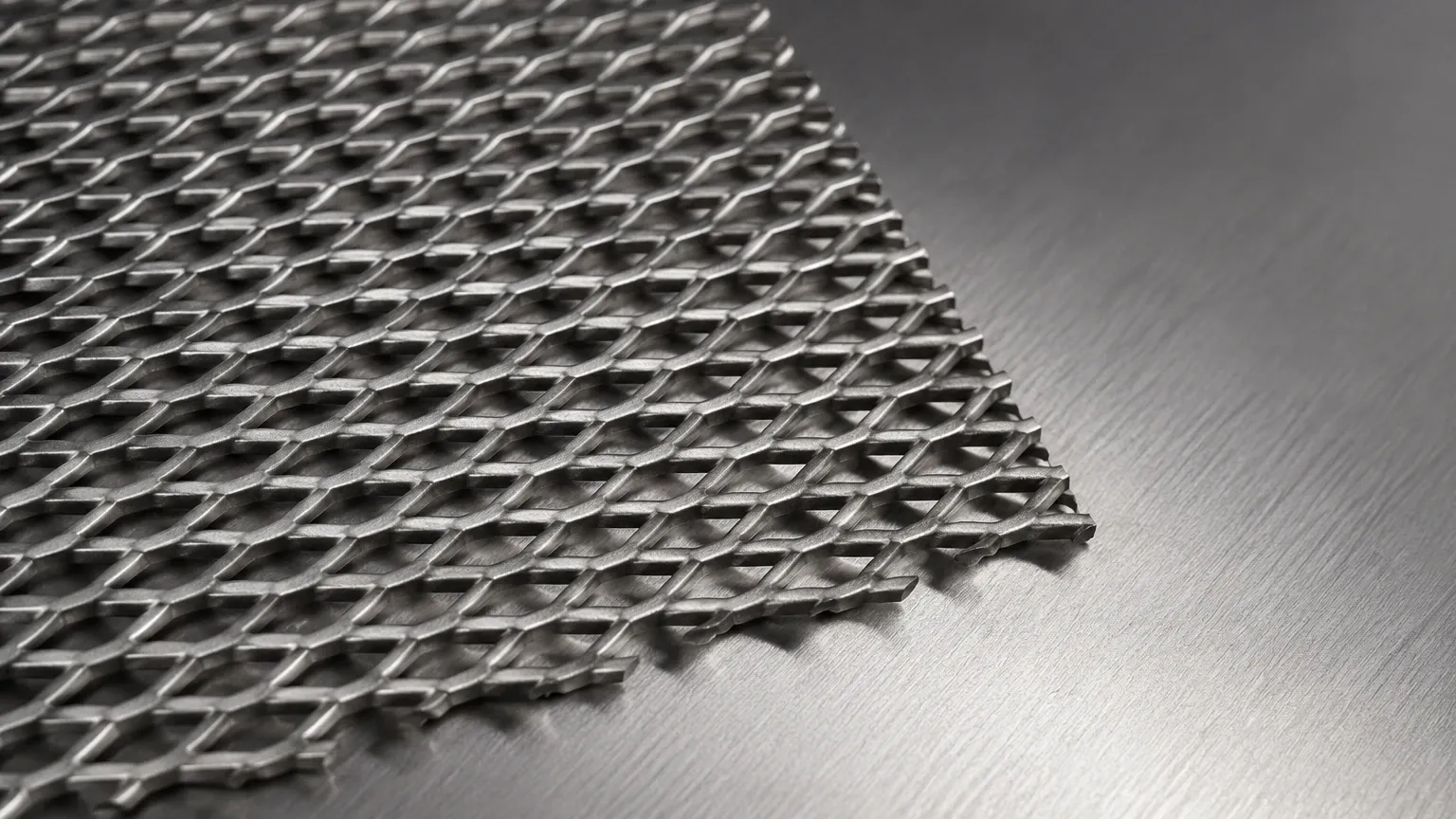
Expanded metal is produced by simultaneously slitting and stretching a solid metal sheet, creating a diamond-shaped pattern. Unlike perforated metal, which involves punching out material, expanded metal is formed without waste, maintaining the inherent strength of the base material while increasing its surface area. When discussing No. 13 gauge expanded metal, the technical focus typically centers on the thickness of the base material, the thickness of the finished product, and how these dimensions change during the flattening process.
Understanding the Gauge System for Expanded Metal
The term "No. 13" refers to the U.S. Standard Gauge for sheet steel. In the context of industrial metals, gauge is a measurement of thickness, where a higher number indicates a thinner material. For No. 13 gauge carbon steel, the nominal thickness is approximately 0.0897 inches (2.28 mm). However, it is important to note that gauge standards can vary slightly between carbon steel, stainless steel, and aluminum.
When specifying Perforated & Expanded Metal, engineers must distinguish between the gauge of the raw material and the physical thickness of the expanded sheet. The expansion process alters the geometry of the metal. While the strand thickness remains tied to the original gauge, the overall profile of the sheet changes depending on whether the metal is left in its "raised" state or undergoes a secondary "flattening" process.
No 13 Expanded Metal Thickness: Raised vs. Flattened
The most critical distinction in expanded metal specifications is the difference between raised (standard) and flattened varieties. This distinction directly impacts the measured thickness of the final product and its performance in filtration or structural support roles.
Raised Expanded Metal (Standard)
In its raised state, the strands and bonds are set at a uniform angle to the plane of the sheet. This creates a three-dimensional texture that provides excellent grip and strength. For No. 13 raised expanded metal, the overall thickness of the sheet is significantly greater than the original 0.0897-inch gauge of the base metal. The "raised" thickness is the measurement from the top of the strand to the bottom of the strand at the bond. This dimension is vital for calculating clearance in industrial housings or filter cages.
Flattened Expanded Metal
Flattened expanded metal is produced by passing the raised expanded sheet through a cold-roll reducing mill. This process flattens the strands and bonds into a single plane, resulting in a smooth, level surface. During this process, the thickness of the metal is reduced, and the sheet is elongated. The no 13 expanded metal thickness in a flattened state will be slightly less than the original gauge thickness—often around 0.070 inches to 0.080 inches—due to the pressure applied during the rolling process. Flattened metal is preferred when a smooth surface is required to prevent abrasion or when the metal must be integrated into a tight assembly.
Technical Specifications and Engineering Tolerances
When evaluating No. 13 expanded metal for industrial use, thickness is only one part of the dimensional equation. Engineers must also consider the Long Way of the Design (LWD), the Short Way of the Design (SWD), and the strand width. These factors, combined with the thickness, determine the open area percentage and the mechanical strength of the mesh.
| Specification Attribute | Nominal Value (No. 13 Gauge) |
| :— | :— |
| Base Material Thickness (Nominal) | 0.0897" (2.28 mm) |
| Flattened Thickness (Approximate) | 0.070" – 0.080" |
| Strand Width (Typical) | 0.096" – 0.105" |
| Weight per Square Foot (Carbon Steel) | 1.20 lbs – 1.47 lbs (depending on opening size) |
In filtration applications, the strand thickness and width are paramount. If the strands are too thin, the mesh may fail under high-pressure differentials. Conversely, if the strands are too thick, the open area is reduced, leading to increased pressure drop across the filter element. For No. 13 gauge, the balance of material mass allows for a robust support structure that can withstand the rigors of chemical processing or hydraulic filtration without excessive weight.
Material Selection and Corrosion Resistance
While No. 13 gauge defines the thickness, the choice of material defines the environment in which the expanded metal can operate. At Kaifil, we emphasize that the interaction between material thickness and chemical compatibility is a primary driver of filter lifespan.
1. Stainless Steel (304 and 316L): Stainless steel is the preferred choice for No. 13 expanded metal in the pharmaceutical, food and beverage, and chemical industries. The 316L variant offers superior resistance to pitting and crevice corrosion in chloride-rich environments. The no 13 expanded metal thickness in stainless steel provides the necessary rigidity for high-temperature applications where carbon steel might lose structural integrity.
2. Carbon Steel: Frequently used in oil and gas applications or general industrial guards where cost-effectiveness is a priority. Carbon steel No. 13 gauge is often galvanized or powder-coated to protect against oxidation, though the coating process will slightly increase the final measured thickness.
3. Specialty Alloys: For highly corrosive or extreme temperature environments, alloys like Monel or Inconel can be expanded. In these cases, the thickness must be carefully calculated to account for the different mechanical properties of these exotic metals compared to standard steel.
Industrial Applications for No. 13 Expanded Metal
The specific thickness of No. 13 expanded metal makes it a versatile component in several industrial sectors. Its ability to serve as both a primary filtration medium and a secondary support structure is a result of its mechanical stability.
Filtration Support and Filter Cages
In industrial filtration, expanded metal is often used as a support pleat or an outer cage for filter cartridges. The No. 13 gauge provides enough thickness to prevent the collapse of the internal filter media under high flow rates. Because the expansion process creates a continuous piece of metal without joins or welds (unlike woven wire mesh), it offers superior structural consistency.
Machine Guarding and Safety Scaffolding
The thickness of No. 13 gauge is sufficient to provide a physical barrier that meets safety standards for machine guarding. It allows for visibility and airflow while preventing accidental contact with moving parts. In these applications, the raised version is often selected for its increased rigidity and anti-slip properties.
Architectural and Acoustic Panels
Beyond filtration, the aesthetic and functional properties of expanded metal are utilized in architectural designs. No. 13 gauge is thick enough to be self-supporting over moderate spans, making it ideal for sunshades, ceiling panels, and acoustic dampening structures where thickness influences the sound-scattering capabilities of the surface.
Critical Factors for Procurement and Customization
Before finalizing a purchase order for No. 13 expanded metal, technical teams should confirm several variables with the manufacturer to ensure the product meets the intended project requirements. Misunderstandings regarding thickness and tolerances can lead to assembly failures or premature component degradation.
* Confirm the "Style": Always specify if you require "Standard" (Raised) or "Flattened." As discussed, the no 13 expanded metal thickness varies significantly between these two styles.
* Verify the Opening Size: The SWD and LWD dimensions will affect the overall strength. A smaller opening with No. 13 gauge strands will result in a much heavier and stiffer sheet than a larger opening with the same gauge.
* Edge Requirements: Expanded metal can be supplied with "random sheared" edges or "bond sheared" edges. Bond shearing provides a finished edge without exposed sharp points, which may be necessary if the expanded metal is handled frequently or used in a sensitive filtration assembly.
* Tolerances: Standard manufacturing tolerances for expanded metal thickness can range from +/- 10%. If your application requires precision fitting, such as in high-pressure hydraulic filters, these tolerances must be discussed during the design phase.
Conclusion: The Engineering Value of No. 13 Gauge
No. 13 expanded metal thickness offers a reliable solution for industrial professionals seeking a material that is neither too heavy for efficient handling nor too thin for structural durability. Whether used as a protective guard, a support layer in a multi-stage filtration system, or a custom industrial component, the mechanical properties of No. 13 gauge provide a predictable and high-performance foundation.
By understanding the differences between raised and flattened profiles and selecting the appropriate material for the operating environment, engineers can optimize the performance of their filtration and industrial systems. For those requiring specialized dimensions or specific material certifications, working with a manufacturer like Kaifil ensures that the Perforated & Expanded Metal components are engineered to exact specifications, providing the durability and precision required in modern industrial environments.
