


Expanded Metal Outdoor Table
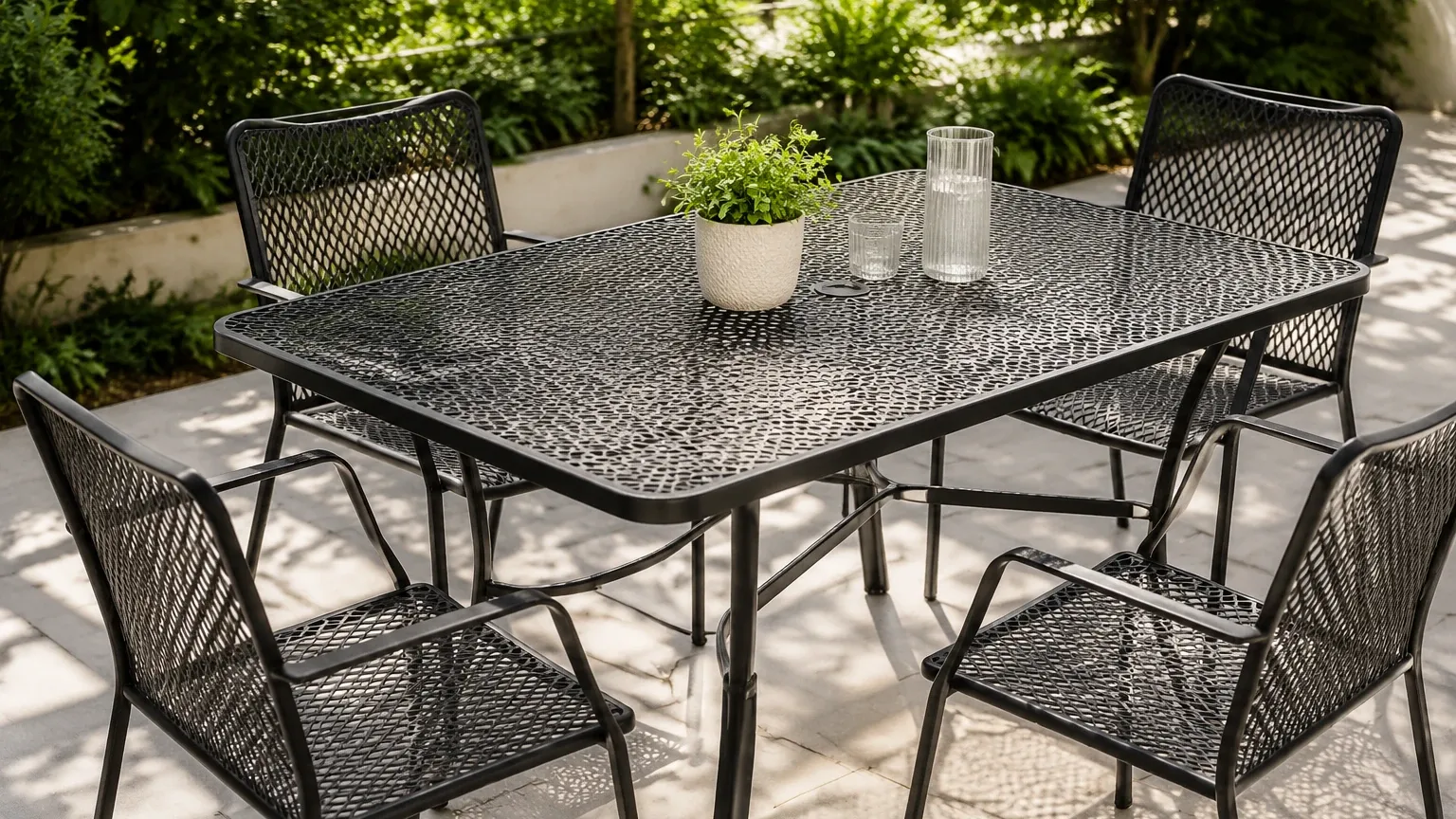
In industrial and commercial facility management, the selection of outdoor furniture is governed by durability, maintenance requirements, and structural integrity. The expanded metal outdoor table has become a standard specification for high-traffic environments, parks, industrial break areas, and commercial patios. Unlike solid surface alternatives, expanded metal offers a unique combination of strength-to-weight ratio and environmental resilience that is difficult to replicate with other materials.
From an engineering perspective, the performance of an expanded metal outdoor table depends heavily on the manufacturing process of the mesh, the material grade selected, and the secondary finishing processes applied. Understanding these technical nuances is essential for procurement teams and facility designers looking to optimize the lifecycle of their outdoor assets.
Understanding the Manufacturing of Expanded Metal
To evaluate the quality of an expanded metal outdoor table, one must first understand how the base material is produced. Expanded metal is created by simultaneously slitting and stretching a single sheet of metal—typically stainless steel, carbon steel, or aluminum. This process creates a series of diamond-shaped openings or apertures.
Because the metal is expanded rather than punched, there is zero material waste during production. This makes it a highly sustainable and cost-effective alternative to perforated metal in many applications. The resulting mesh is a single, continuous piece of material with no joins or welds within the mesh structure itself. For those seeking specific patterns or alternative airflow characteristics, exploring Perforated & Expanded Metal options allows for a broader range of aesthetic and functional choices.
Raised vs. Flattened Expanded Metal
There are two primary forms of expanded metal used in industrial fabrication:
1. Standard (Raised) Expanded Metal: This is the material as it comes off the expanding machine. The strands and bonds are set at a sharp angle to the original plane of the sheet. While this provides excellent grip for walkways or ramps, it is less common for the top surface of an expanded metal outdoor table because it creates an uneven surface for glass or plates.
2. Flattened Expanded Metal: This material has been processed through a cold-rolling reducing mill. The process flattens the strands and bonds into the same plane, resulting in a smooth, level surface. Flattened expanded metal is the preferred choice for table tops and seating surfaces, as it provides the necessary stability for objects while retaining the open-area benefits of the mesh.
Material Selection and Corrosion Resistance
The environment in which an expanded metal outdoor table will be placed dictates the necessary material grade. In industrial filtration and precision metal components, material science is the foundation of performance, and the same logic applies to structural metalwork.
Stainless Steel
For environments with high humidity, coastal salt air, or exposure to chemical cleaning agents, stainless steel is the gold standard. Type 304 stainless steel offers excellent corrosion resistance for most general-purpose outdoor applications. However, in marine environments or heavy industrial zones, Type 316 stainless steel—which contains molybdenum—is recommended to prevent pitting and crevice corrosion.
Carbon Steel with Protective Coatings
Carbon steel is frequently used for commercial expanded metal furniture due to its high strength and lower initial cost. However, it requires robust surface protection. Common treatments include:
* Hot-Dip Galvanizing: Immersing the table in molten zinc creates a metallurgical bond that protects the steel from rust even if the surface is scratched.
* Thermoplastic Coating: A thick, high-build coating that is often applied via a fluidized bed process. This provides a "soft-touch" feel, remains cooler in direct sunlight, and offers superior weather resistance.
* Powder Coating: An electrostatic application of dry powder that is cured under heat. While aesthetically versatile, it is more susceptible to chipping than thermoplastic coatings.
Engineering Advantages for Outdoor Applications
The choice of an expanded metal outdoor table over solid wood, plastic, or solid metal plate is often driven by specific functional requirements inherent to the mesh design.
1. Drainage and Airflow
The open area of the mesh allows rainwater to pass through immediately. This prevents the pooling of water, which can lead to biological growth (algae/mold) or accelerated corrosion in solid surfaces. Additionally, the airflow through the mesh helps the table surface dry quickly after rain and stay cooler in high-temperature environments.
2. Structural Rigidity
The diamond-shaped trusses in expanded metal act as structural supports. When properly framed with angle iron or tubular steel, an expanded metal surface can support significant weight without sagging. Engineers must consider the LWD (Long Way of Design) and SWD (Short Way of Design) dimensions of the diamond pattern, as the orientation of the mesh affects the load-bearing capacity across the span of the table.
3. Vandalism and Theft Resistance
In public or unsupervised industrial areas, the weight and transparency of metal furniture act as deterrents. Expanded metal tables are difficult to deface with graffiti compared to solid surfaces, and their heavy-duty construction makes them difficult to move or damage without specialized tools.
Selection Criteria for B2B Procurement
When sourcing an expanded metal outdoor table for a project, purchasing teams should confirm several technical specifications to ensure the product meets the intended service life.
Gauge and Strand Width
The thickness of the metal (gauge) and the width of the individual strands determine the overall strength. For heavy-duty industrial use, a 9-gauge or 11-gauge steel is typically required. Using thinner gauges may reduce costs but can lead to "bouncing" or deformation of the table surface under load.
Edge Treatment and Safety
One of the most critical safety considerations for expanded metal is the treatment of the edges. Raw expanded metal has sharp "fingers" or points where the diamonds are cut. A high-quality expanded metal outdoor table must feature a perimeter frame (often made of steel strip or tubing) that completely encapsulates the mesh edges to prevent snagging clothing or causing injury to users.
Maintenance Cycles
In a B2B context, the Total Cost of Ownership (TCO) is more important than the initial purchase price. An expanded metal table requires minimal maintenance—typically just a periodic pressure wash or cleaning with mild soap. Unlike wood, it does not require sanding or staining, and unlike plastic, it will not become brittle due to UV exposure.
Customization and Industrial Integration
Many industrial facilities require customized solutions that go beyond off-the-shelf furniture. This might include integrated mounting points for bolting tables to concrete pads, custom dimensions to fit specific breakroom layouts, or the inclusion of specialized cutouts for power and data cables in outdoor workspaces.
As a manufacturer specializing in precision metal solutions, Kaifil understands that the quality of the raw material is the most important factor in the final product's performance. Whether the application involves high-precision industrial filtration or structural components like Perforated & Expanded Metal, the focus remains on material integrity and manufacturing precision.
Common Risks and Quality Indicators
When evaluating suppliers for expanded metal furniture, engineers should look for the following red flags:
* Visible Weld Spatter: Indicates poor manufacturing control and can become a site for early corrosion.
* Uneven Flattening: In flattened expanded metal, any variation in the rolling process can lead to "waves" in the mesh, which prevents the table from being truly level.
* Thin Coating Coverage: Check the interior corners of the diamond openings. If the coating (powder or thermoplastic) is thin in these areas, rust will begin to form within the first season of use.
* Lack of Reinforcement: For tables longer than six feet, check for under-table bracing. Expanded metal is strong, but long spans require center supports to prevent deflection.
Conclusion
The expanded metal outdoor table is a staple of industrial and commercial infrastructure for a reason. Its ability to withstand harsh weather, provide a stable surface, and require almost zero maintenance makes it an economically sound choice for facility managers. By focusing on the technical specifications—such as material grade, gauge, and edge finishing—procurement professionals can ensure they are investing in a product that will serve their facility for decades.
For projects requiring specific metal configurations or high-performance materials, partnering with an experienced manufacturer ensures that the underlying components meet the rigorous standards required for industrial environments.
