


Oval Expanded Metal
In the landscape of industrial materials, the selection of a filtration or structural component often depends on the balance between mechanical strength, open area, and material efficiency. Oval expanded metal represents a specialized geometry within the broader category of Perforated & Expanded Metal. Unlike standard diamond-shaped patterns, the oval configuration offers unique flow dynamics and aesthetic properties that are increasingly utilized in high-precision engineering and industrial filtration systems.
For engineers and procurement specialists, understanding the technical nuances of oval expanded metal is essential for optimizing system performance. This material is not simply a decorative choice; its structural integrity and the specific way it is manufactured contribute significantly to its utility in demanding environments such as chemical processing, pharmaceutical manufacturing, and heavy-duty hydraulic filtration.
Understanding the Geometry of Oval Expanded Metal
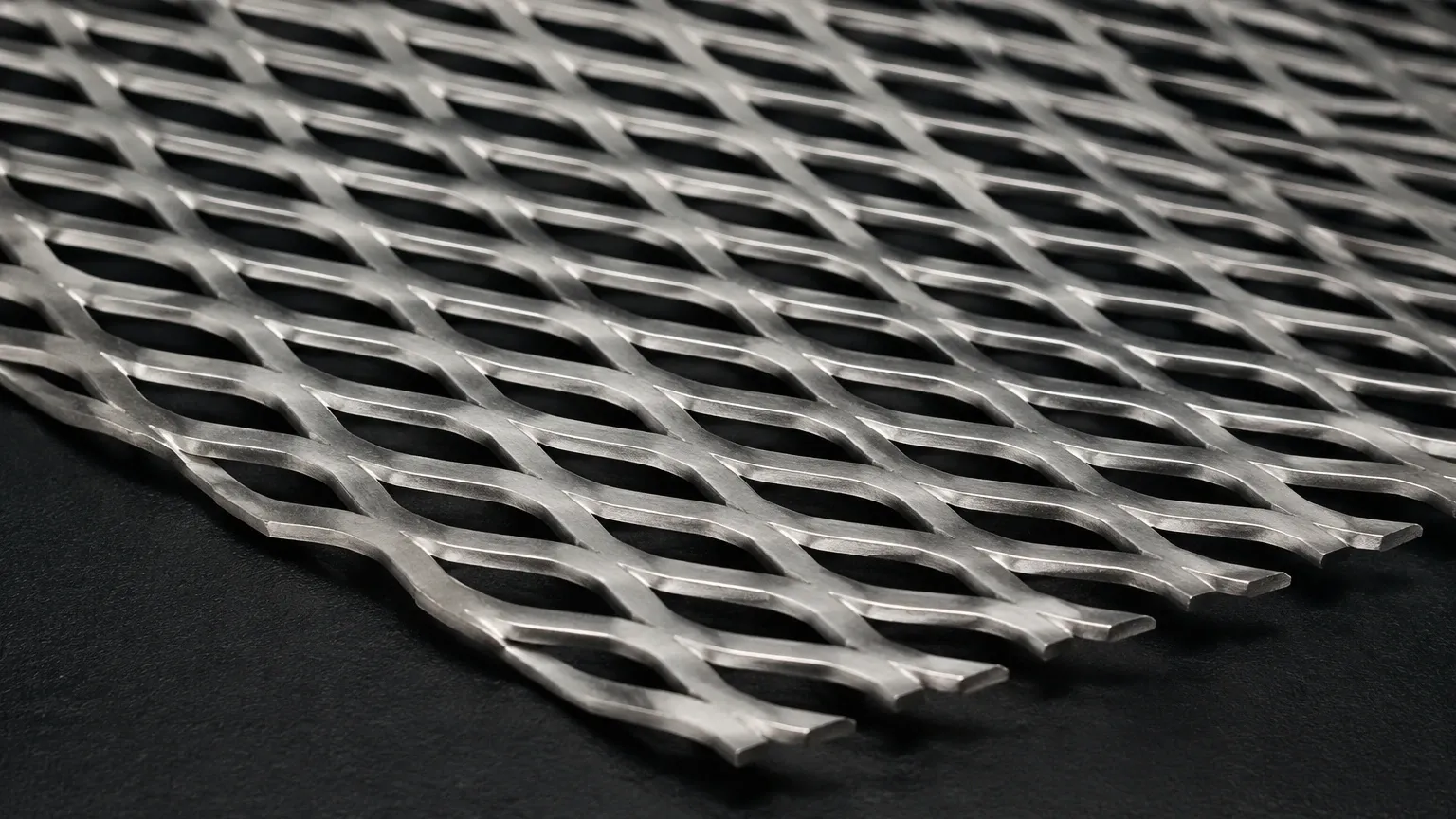
Expanded metal is produced by simultaneously slitting and stretching a solid sheet of metal. This process creates a network of openings that are integral to the original sheet, meaning there are no welds or joins that could fail under stress. While the diamond pattern is the most common result of this process, the oval expanded metal pattern is achieved through specialized tooling and precise control over the expansion ratio.
Key Dimensional Parameters
When specifying oval expanded metal, engineers must define several critical dimensions that dictate the material’s performance:
* Long Way of Design (LWD): This is the distance from the center of one joint to the center of the next joint across the long axis of the oval.
* Short Way of Design (SWD): This is the distance from the center of one joint to the center of the next joint across the short axis of the oval.
* Strand Width: The amount of metal fed into the expanding machine between the slits. This determines the thickness of the "ribs" of the oval.
* Strand Thickness: The original thickness of the base metal sheet.
* Open Area: Calculated as a percentage, this indicates the ratio of the openings to the total area of the sheet. For oval patterns, the open area is critical for determining flow rates and pressure drops in filtration applications.
By adjusting these parameters, manufacturers like Kaifil can tailor the rigidity and permeability of the material to meet specific application requirements, ensuring that the filter or support structure operates within its intended design limits.
Material Selection and Engineering Considerations
The performance of oval expanded metal is heavily influenced by the alloy from which it is fabricated. In industrial filtration, stainless steel is the gold standard due to its corrosion resistance and mechanical durability.
Stainless Steel Grades
1. Grade 304: The most common stainless steel used for expanded metal. It offers excellent formability and good corrosion resistance for general industrial use, including food and beverage processing.
2. Grade 316/316L: Containing molybdenum, these grades provide superior resistance to pitting and crevice corrosion in chloride-rich environments. 316L (low carbon) is preferred for welded assemblies to prevent carbide precipitation.
3. Specialty Alloys: For extreme environments involving high temperatures or highly aggressive chemicals, alloys such as Monel, Inconel, or Duplex stainless steel may be employed to ensure the longevity of the filtration component.
Mechanical Properties
Engineers must consider the tensile strength and ductility of the material. The expansion process work-hardens the metal, which can increase its rigidity but may also affect its ability to be formed into cylindrical filter cartridges. Understanding the balance between the hardness of the strands and the flexibility of the overall sheet is vital during the design phase of a custom filtration solution.
Manufacturing Precision in Expanded Metal Production
One of the primary advantages of Perforated & Expanded Metal is that the manufacturing process generates zero waste. Unlike perforated metal, where the "slugs" are punched out and must be recycled, expanded metal is stretched, which increases the surface area of the original sheet. This makes it a highly cost-effective solution for large-scale industrial projects.
Raised vs. Flattened Oval Patterns
Oval expanded metal can be supplied in two primary forms:
* Raised (Standard): The strands and bonds are set at a uniform angle to the plane of the sheet. This provides maximum strength and rigidity, as well as a textured surface that can be beneficial for certain types of mechanical filtration or grip.
* Flattened: The raised sheet is passed through a cold-rolling flattening mill. This reduces the thickness of the sheet and creates a smooth, flat surface. Flattened oval expanded metal is often used when the material must be bonded to a fine wire mesh or when a low-profile component is required for tight tolerances in hydraulic systems.
Precision manufacturing ensures that the oval openings remain consistent across the entire width of the sheet. Inconsistency in the LWD or SWD can lead to bypass issues in filtration or structural weaknesses in support cores.
Comparative Analysis: Oval Expanded Metal vs. Traditional Perforated Metal
When deciding between expanded and perforated metal for a project, engineers typically evaluate three factors: weight, strength, and cost.
Strength-to-Weight Ratio
Because expanded metal is a continuous piece of material without welds, it distributes loads more efficiently than perforated metal of the same weight. The oval pattern, in particular, provides a unique structural configuration that can resist deformation under high-pressure flow. This makes it an ideal support medium for pleated filter elements where the outer cage must withstand significant differential pressure.
Flow Characteristics
Perforated metal offers precise circular holes, which are easy to model mathematically for flow resistance. However, the angled strands of raised oval expanded metal can create a "louvre" effect, which can be used to deflect debris or manage fluid turbulence. In many liquid filtration applications, the increased surface area provided by the expanded strands helps in capturing larger particles before they reach the primary filter media.
Economic Efficiency
As previously mentioned, the lack of waste in the expansion process generally results in a lower material cost per square foot compared to perforated metal, especially when using expensive alloys like 316L stainless steel. For high-volume OEM production, this cost saving can be substantial without compromising the functional integrity of the part.
Industrial Applications and Filtration Performance
Oval expanded metal is utilized across a broad spectrum of industries, each requiring specific performance characteristics.
Chemical and Petrochemical Processing
In these sectors, expanded metal serves as the primary support structure for catalyst beds and large-scale strainers. The oval pattern is often chosen for its ability to provide a high open area while maintaining the structural stiffness required to support heavy loads of catalyst material. The use of corrosion-resistant stainless steel ensures that the structure does not degrade when exposed to aggressive solvents or acids.
Food and Beverage Industry
Hygiene is the priority in food processing. Oval expanded metal, particularly when electropolished, provides a smooth surface that is easy to clean and resistant to bacterial growth. It is commonly used in drying trays, sorting screens, and as a protective guard for processing equipment where airflow is required but safety must be maintained.
Hydraulic and Water Treatment
In hydraulic systems, oval expanded metal is frequently used as a support core for filter cartridges. It prevents the fine wire mesh or synthetic media from collapsing under the pressure of the hydraulic fluid. In water treatment, it serves as a pre-filtration screen, removing large debris from intake valves to protect sensitive downstream equipment like RO (Reverse Osmosis) membranes.
Key Procurement Factors for Engineering Teams
When sourcing oval expanded metal for industrial applications, purchasing teams and engineers should confirm several factors to ensure the product meets the required specifications.
Tolerances and Quality Standards
Industrial filters require tight tolerances. It is essential to confirm that the manufacturer can maintain consistent strand width and opening sizes. Variations in the expansion process can lead to "camber" (a slight curve in the sheet) or out-of-square sheets, which can complicate the assembly of filter housings or frames.
Surface Finishing
Depending on the application, the surface finish of the metal may be as important as the material itself. Options include:
* Pickling and Passivation: Removes surface impurities and restores the chromium oxide layer for maximum corrosion resistance.
* Electropolishing: Provides a mirror-like finish and further enhances hygiene and corrosion resistance.
* Degreasing: Essential for oxygen service or high-purity pharmaceutical applications where any residual manufacturing oils could contaminate the process.
Customization and OEM Capabilities
For many B2B applications, off-the-shelf expanded metal is insufficient. Engineers should look for partners like Kaifil who offer custom slitting, shearing, and forming. Whether the project requires a specific oval size to match a proprietary flow rate or a custom-formed cylinder for a unique hydraulic housing, OEM capabilities are a significant factor in reducing total lead times and assembly costs.
Maintenance and Longevity in Demanding Environments
The durability of oval expanded metal makes it a cost-effective long-term solution, but proper maintenance is required to maximize its service life. In filtration applications, the replacement cycle is often dictated by the pressure drop across the filter. While the expanded metal support structure may last for years, it must be inspected for signs of erosion or mechanical fatigue during routine filter media changes.
In corrosive environments, even 316L stainless steel can experience stress corrosion cracking if subjected to high temperatures and specific chemical concentrations. Regular visual inspections and cleaning to remove buildup that could cause localized corrosion (under-deposit corrosion) are recommended practices for engineering teams.
Conclusion
Oval expanded metal is a versatile and efficient material that offers a unique combination of strength, open area, and cost-effectiveness. By understanding the geometric parameters, material options, and manufacturing processes involved, engineers can better integrate this material into high-performance industrial systems. Whether used as a robust support core for a hydraulic filter or a precision screen in a chemical reactor, the oval pattern provides specific advantages that standard patterns cannot match.
For those seeking reliable, high-quality components, partnering with a manufacturer that specializes in custom stainless steel solutions is critical. Exploring the full range of Perforated & Expanded Metal options allows technical professionals to select the exact specifications needed to achieve optimal filtration performance and structural longevity in their specific industrial applications.
