


Expanded Metal Trailer Gate
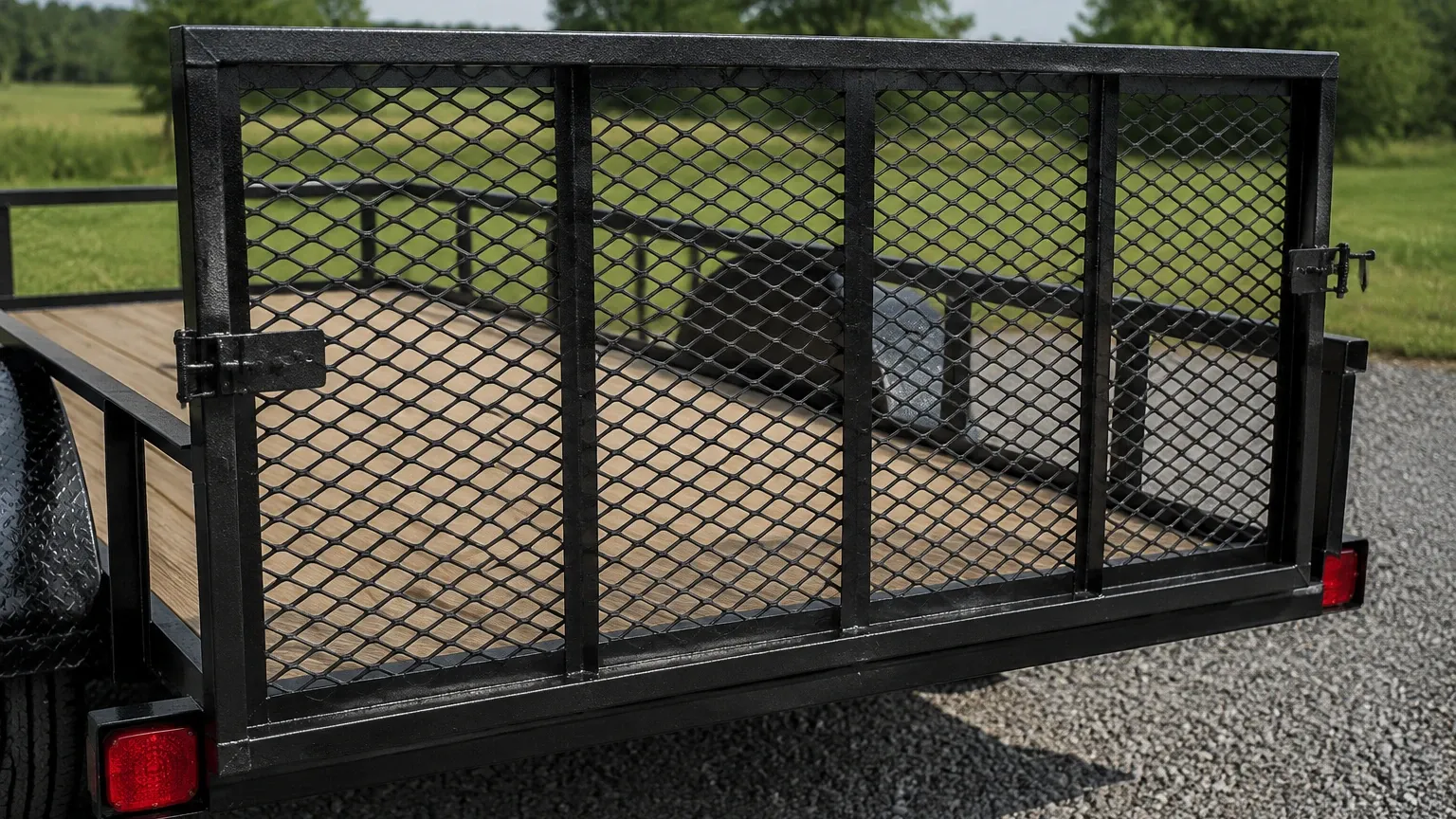
In the industrial transport and logistics sector, the design and material selection for equipment components are critical to operational efficiency and safety. The expanded metal trailer gate is a primary example of how engineering-led material choices impact the functionality of heavy-duty equipment. Unlike solid plate alternatives, expanded metal offers a unique combination of structural integrity, reduced weight, and functional transparency that is essential for loading ramps and rear enclosures.
For engineers and procurement teams, selecting the correct specifications for an expanded metal trailer gate involves more than just choosing a mesh size. It requires a deep understanding of material properties, load-bearing capacities, and the environmental conditions the equipment will face. This guide examines the technical considerations and engineering advantages of using Perforated & Expanded Metal in trailer gate applications.
The Engineering Logic of Expanded Metal in Transport
Expanded metal is manufactured by simultaneously slitting and stretching a solid metal sheet. This process creates a diamond-shaped pattern of openings, with the metal "strands" set at an angle to the plane of the sheet. This geometry is what gives the expanded metal trailer gate its specific mechanical advantages.
High Strength-to-Weight Ratio
One of the most significant benefits is the weight reduction. Because the material is expanded rather than punched (as in perforated metal), there is zero material waste during production. The resulting mesh can cover a large surface area with significantly less weight than a solid steel plate of the same thickness. This is crucial for trailer gates, where excessive weight can strain hydraulic lifting systems or make manual operation difficult for personnel.
Aerodynamic Efficiency
A solid trailer gate acts as a sail when the vehicle is in motion, creating immense wind resistance (drag). This drag increases fuel consumption and puts unnecessary stress on the trailer’s frame and hinges. The open area of an expanded metal trailer gate allows air to flow through the mesh, drastically reducing the drag coefficient and improving the vehicle's fuel efficiency and stability at highway speeds.
Comparing Perforated & Expanded Metal for Gate Fabrication
When designing a trailer gate, engineers often evaluate the differences between Perforated & Expanded Metal. While both offer ventilation and visibility, their structural characteristics differ significantly.
1. Structural Continuity: In expanded metal, the strands and bonds (where the diamonds meet) form a continuous piece of metal. There are no welds or joints within the mesh itself. This continuity allows for better distribution of stress across the entire panel. Perforated metal, while precise, relies on the remaining "bridges" between holes, which can sometimes act as stress concentrators depending on the hole pattern.
2. Traction and Grip: The angular orientation of the strands in expanded metal provides inherent slip resistance. For a trailer gate used as a loading ramp, this texture is vital for the safety of personnel and the stability of wheeled equipment, especially in wet or oily conditions. Perforated metal is typically flat and may require additional anti-slip coatings or treatments.
3. Cost-Effectiveness: Because the expansion process increases the yield of the raw material (one square foot of solid plate can become several square feet of expanded mesh), it is often a more economical choice for large-scale industrial applications compared to perforated options of similar strength.
Technical Specifications and Selection Criteria
To ensure an expanded metal trailer gate meets the demands of industrial use, several technical parameters must be specified during the procurement process.
SWD and LWD (Short Way of Design and Long Way of Design)
These measurements define the size of the diamond openings. The SWD is the distance from the center of one bond to the center of the next bond across the short axis, while LWD is the same across the long axis. For trailer gates, a smaller SWD is often preferred to provide a smoother surface for small-wheeled equipment, while larger openings might be used for heavy machinery ramps to maximize weight savings.
Gauge and Strand Width
The thickness of the original sheet (gauge) and the width of the metal strands determine the overall strength of the mesh. For heavy-duty trailer gates, industrial-grade gauges (typically 9-gauge or 13-gauge) are standard. The strand width must be calculated based on the anticipated point loads—such as the wheels of a forklift or a heavy piece of agricultural machinery.
Flattened vs. Raised Expanded Metal
* Raised (Standard): The strands are tilted at an angle. This provides maximum rigidity and the best slip resistance.
* Flattened: The raised mesh is passed through a cold-roll reducing mill, resulting in a smooth, flat surface. While this is easier on the hands and looks cleaner, it loses some of the structural stiffness and traction of the raised version. Most industrial trailer gates utilize raised expanded metal for its functional benefits.
Material Selection: Stainless Steel vs. Carbon Steel
Material choice is the primary factor in the longevity and total cost of ownership of an expanded metal trailer gate.
Stainless Steel
In environments where the trailer will be exposed to corrosive chemicals, salt (in coastal regions or winter road treatments), or high humidity, stainless steel is the superior choice. Grade 304 or 316 stainless steel provides excellent oxidation resistance. While the initial material cost is higher, the elimination of the need for frequent repainting or replacement due to rust makes it a more cost-effective solution over the equipment's lifecycle. Kaifil specializes in high-performance stainless steel components that maintain structural integrity in these demanding conditions.
Carbon Steel and Galvanization
Carbon steel is the most common material for standard trailer gates due to its high tensile strength and lower cost. However, it must be protected from corrosion. Hot-dip galvanization is the preferred treatment, as it coats both the surface and the edges of the strands, providing a metallurgical bond that resists chipping and scratching during loading operations.
Load-Bearing Dynamics and Structural Integrity
Designing a gate for a trailer is not merely about the mesh; it is about how the mesh interacts with the gate frame. The expanded metal must be securely welded to a perimeter frame, usually constructed from angle iron or square tubing.
Engineers must consider the "deflection" of the mesh under load. If the spans between the frame supports are too wide, the expanded metal may bow or permanently deform when heavy equipment passes over it. To prevent this, structural supports (ribs) are often welded across the width of the gate behind the expanded metal. The orientation of the mesh also matters: the LWD should typically run perpendicular to the direction of travel to provide the most consistent support for wheels.
Maintenance and Longevity in Demanding Environments
An expanded metal trailer gate is subject to significant mechanical stress and environmental exposure. To ensure a long service life, a regular inspection and maintenance protocol should be established.
* Weld Inspection: The vibration of road travel can cause fatigue in the welds connecting the mesh to the frame. Periodic visual inspections are necessary to identify hairline cracks before they lead to structural failure.
* Debris Removal: The diamond openings can trap road debris, salt, or organic matter. If left uncleaned, these traps can become focal points for localized corrosion (pitting), especially in carbon steel gates.
* Surface Integrity: For galvanized or painted gates, any areas where the coating has been scraped off by equipment should be touched up with cold-galvanizing spray or industrial paint to prevent rust from spreading under the remaining coating.
Customization and OEM Manufacturing Capabilities
For manufacturers of specialized trailers—such as those used in the pharmaceutical, food processing, or chemical industries—standard off-the-shelf expanded metal may not suffice. These sectors often require specific filtration-grade precision or unique material grades to comply with safety and hygiene standards.
Working with a manufacturer like Kaifil allows for the customization of Perforated & Expanded Metal components tailored to specific engineering drawings. Customization options include:
* Precision Shearing: Ensuring the mesh fits perfectly within custom frame dimensions without jagged edges.
* Specialized Alloys: Sourcing specific stainless steel or nickel alloys for extreme chemical resistance.
* Variable Opening Sizes: Designing mesh patterns that balance the need for visibility with the requirement to contain specific sizes of cargo.
Conclusion: Procurement Checklist for Engineers
When specifying or purchasing an expanded metal trailer gate, technical professionals should confirm the following details to ensure the product is fit for purpose:
1. Load Requirements: What is the maximum point load and total distributed load the gate must support?
2. Environmental Exposure: Will the gate be exposed to road salt, marine environments, or industrial chemicals?
3. Mesh Orientation: Is the LWD oriented correctly for the intended load path?
4. Finish Requirements: Is hot-dip galvanization, powder coating, or a specific stainless steel finish required for corrosion resistance?
5. Safety Standards: Does the mesh provide sufficient traction for the intended operators and equipment?
By focusing on these technical parameters, procurement teams can secure filtration and structural components that enhance the durability and safety of their transport equipment. For organizations requiring high-precision metal components, leveraging the expertise of a specialized manufacturer ensures that the material properties align perfectly with the application's mechanical and environmental demands.
