


Used Expanded Metal
In industrial procurement and engineering, the selection of materials often involves a balance between immediate budgetary constraints and long-term performance requirements. The term "used expanded metal" typically refers to materials salvaged from decommissioned industrial structures, surplus inventory from previous projects, or recycled components from secondary markets. While the prospect of cost reduction is appealing, the application of used expanded metal in technical environments—such as chemical processing, filtration, or structural support—requires a rigorous understanding of the material's history and current physical state.
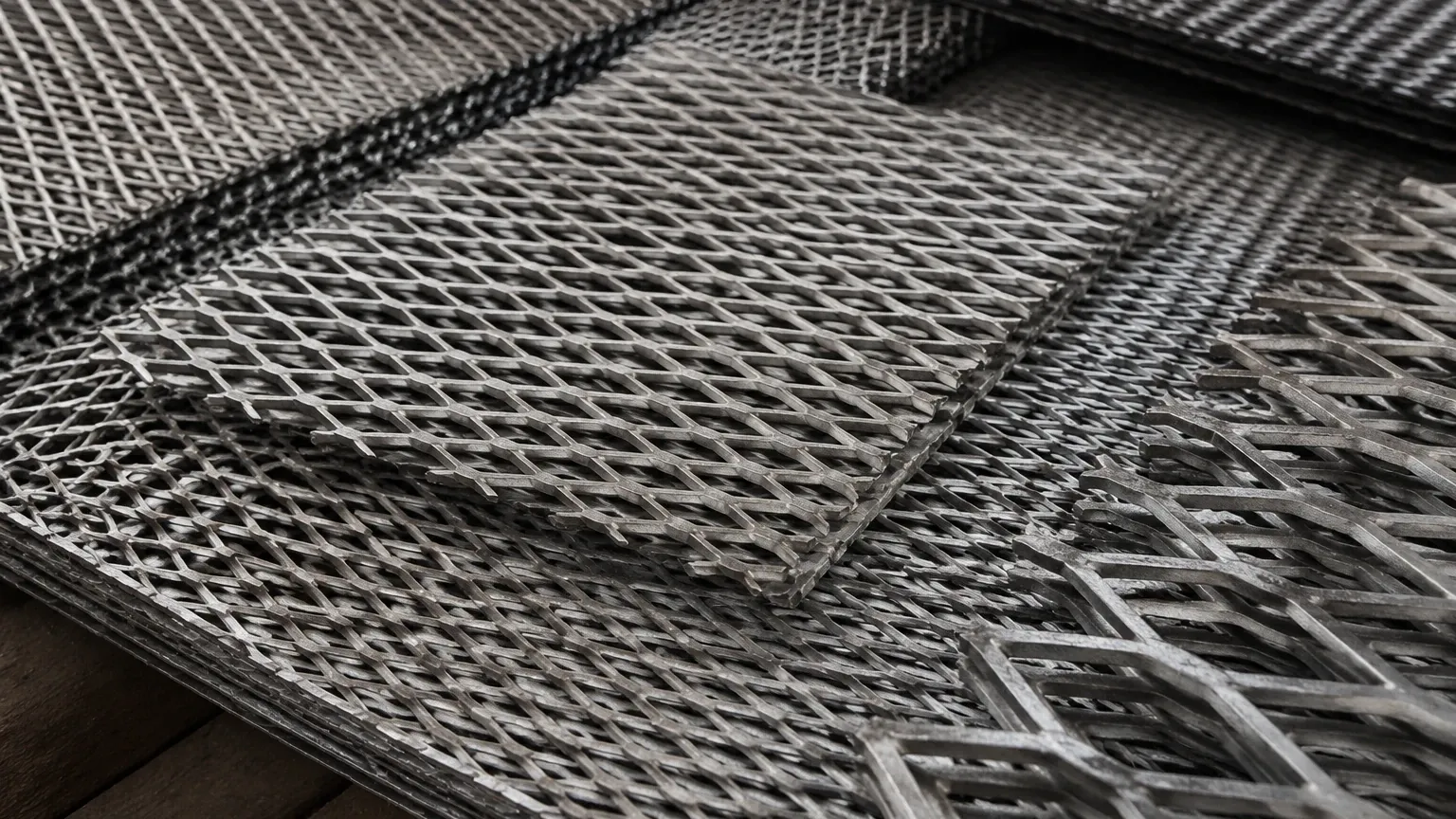
Expanded metal is a unique product created by simultaneously slitting and stretching a single sheet of metal, usually stainless steel, carbon steel, or aluminum. This process creates a diamond-shaped pattern of openings without any waste, as the material is expanded rather than punched. However, because the manufacturing process involves significant mechanical stress, the structural integrity of the material is inherently tied to its initial production quality and subsequent environmental exposure. For critical applications, engineers often compare the risks of reclaimed materials against the reliability of new Perforated & Expanded Metal solutions designed for specific industrial tolerances.
Technical Characteristics of Expanded Metal
To evaluate used expanded metal effectively, one must first understand the technical parameters that define its performance. Unlike perforated metal, which is created by removing material, expanded metal maintains the continuity of the original sheet. This results in a high strength-to-weight ratio and excellent structural rigidity.
Geometry and Terminology
When inspecting used material, engineers must measure several key dimensions to ensure they align with the required specifications:
* SWD (Short Way of Design): The distance from the center of one bond to the center of the next bond across the short diamond diagonal.
* LWD (Long Way of Design): The distance across the long diamond diagonal.
* Strand Width: The amount of metal fed into the machine to produce one strand.
* Strand Thickness: The thickness of the original base metal.
* Bond: The intersection where two strands meet.
In used expanded metal, these dimensions may be compromised by physical wear, stretching under previous loads, or thinning due to corrosion. Even minor deviations in SWD or LWD can significantly impact the flow rates in filtration applications or the load-bearing capacity in flooring applications.
Evaluating the Condition of Used Expanded Metal
Procuring used expanded metal involves more than a visual inspection for rust. Because the material has already been subjected to work-hardening during its initial expansion, its capacity for further mechanical stress is limited. Engineers should focus on the following evaluation criteria before incorporating used material into a new system.
Structural Integrity and Fatigue
Expanded metal relies on the integrity of its bonds. In a used state, these bonds may have developed micro-fractures due to vibration, thermal cycling, or excessive loading in their previous application. If the material was used as a walkway or a safety guard in a high-vibration environment, the risk of metal fatigue is high. A failure at a single bond can lead to a cascading structural failure across the entire panel.
Corrosion and Material Degradation
Stainless steel expanded metal is often used in corrosive environments, such as chemical processing or marine applications. While stainless steel is highly resistant to oxidation, used material may have suffered from localized corrosion, such as pitting or stress corrosion cracking (SCC). These issues are not always visible to the naked eye but can drastically reduce the lifespan of the component. Furthermore, if the used metal was previously exposed to unknown chemicals, there is a risk of cross-contamination in sensitive applications like food and beverage or pharmaceutical processing.
Deformation and Flatness
Expanded metal comes in two primary forms: standard (raised) and flattened. Standard expanded metal has strands and bonds set at a uniform angle, providing a slip-resistant surface. Flattened expanded metal is cold-rolled after expansion to create a smooth, level surface. Used expanded metal often suffers from "memory" or permanent deformation. If a panel has been warped or bowed, it may be impossible to return it to a perfectly flat state, making it unsuitable for precision-fit filter housings or architectural panels.
The Risks of Using Reclaimed Material in Filtration
In the context of industrial filtration, the precision of the opening size is paramount. Kaifil specializes in custom stainless steel filtration solutions where the uniformity of the mesh or expanded metal determines the filtration accuracy. Using used expanded metal in these scenarios introduces several technical risks:
1. Inconsistent Micron Ratings: If the diamond openings have been stretched or compressed, the filtration efficiency will be uneven across the surface, leading to bypass or premature clogging.
2. Cleaning Challenges: Used metal may harbor residues from its previous life—oils, biological matter, or chemical salts—that are trapped within the bonds. These contaminants can leach into the process fluid, compromising the purity of the end product.
3. Welding Difficulties: Reclaimed metal often has surface oxides or coatings that interfere with high-quality welding. For filter cartridges that require precise longitudinal or circumferential welds, the presence of impurities in used metal can lead to brittle joints and eventual failure under hydraulic pressure.
Comparing Used Material with New Perforated & Expanded Metal
When deciding between used material and new production, it is essential to consider the specific advantages of modern manufacturing. New Perforated & Expanded Metal offers several guarantees that used material cannot match:
* Material Traceability: New metal comes with Mill Test Reports (MTRs), ensuring the exact alloy composition (e.g., 304L, 316L, or Monel). This is critical for compliance in regulated industries.
* Precision Engineering: Modern CNC expansion and perforation equipment can maintain tolerances within fractions of a millimeter, ensuring perfect compatibility with OEM equipment.
* Customization: New material can be produced with specific margins, custom hole patterns, or specialized surface treatments (such as electropolishing) tailored to the application's needs.
Total Cost of Ownership (TCO) Considerations
The primary driver for seeking used expanded metal is the lower initial purchase price. However, a comprehensive Total Cost of Ownership (TCO) analysis often reveals that the "savings" are offset by secondary costs:
Labor and Processing
Used metal panels rarely come in the exact sizes required for a new project. The labor required to clean, straighten, de-burr, and cut used panels to size can be significant. In many cases, the hourly cost of skilled labor exceeds the savings gained from purchasing reclaimed material.
Waste and Yield
When working with used material, engineers must often work around damaged sections, leading to a lower material yield. In contrast, ordering custom-sized new panels minimizes scrap and simplifies the assembly process.
Maintenance and Replacement Cycles
Components made from used expanded metal typically have a shorter service life. If a filter support or a safety screen fails prematurely, the cost of downtime, emergency repairs, and potential equipment damage far outweighs the initial savings on the raw material.
When is Used Expanded Metal Appropriate?
Despite the risks, there are scenarios where used or surplus expanded metal is a viable choice. These are generally non-critical, low-stress applications where structural failure does not pose a safety risk or a significant financial loss. Examples include:
* Temporary Fencing: For short-term site security where aesthetics and long-term corrosion resistance are secondary.
* General Storage Racks: In warehouses where the loads are well within the material's original safety margins.
* Artistic and Decorative Projects: Where the weathered appearance or "patina" of used metal is a desired aesthetic feature.
For any application involving hydraulic pressure, chemical exposure, or high-load structural support, the use of new, certified materials is the standard engineering recommendation.
Conclusion: Making an Informed Procurement Decision
For engineers and purchasing teams, the decision to use reclaimed expanded metal should be based on a thorough risk assessment. While surplus stock from a reputable source may offer a middle ground, truly "used" material from decommissioned sites carries inherent uncertainties regarding fatigue and contamination.
In demanding industrial environments—such as those served by Kaifil’s custom filtration solutions—the reliability of the base material is the foundation of the entire system's performance. By opting for new, precision-manufactured Perforated & Expanded Metal, companies ensure that their filtration components and structural supports meet the rigorous standards required for modern industrial processes. When performance, durability, and safety are non-negotiable, the investment in high-quality, traceable metal components provides the most cost-effective solution over the life of the equipment.
