


Expanded Metal Weight
In industrial engineering and filtration design, understanding the physical properties of materials is fundamental to ensuring structural integrity, performance efficiency, and cost-effectiveness. Among these properties, expanded metal weight is a critical variable that influences everything from the load-bearing capacity of a support structure to the logistics of global shipping. For engineers and procurement professionals sourcing components for chemical processing, water treatment, or hydraulic systems, a precise grasp of how weight is calculated and how it relates to material performance is essential.
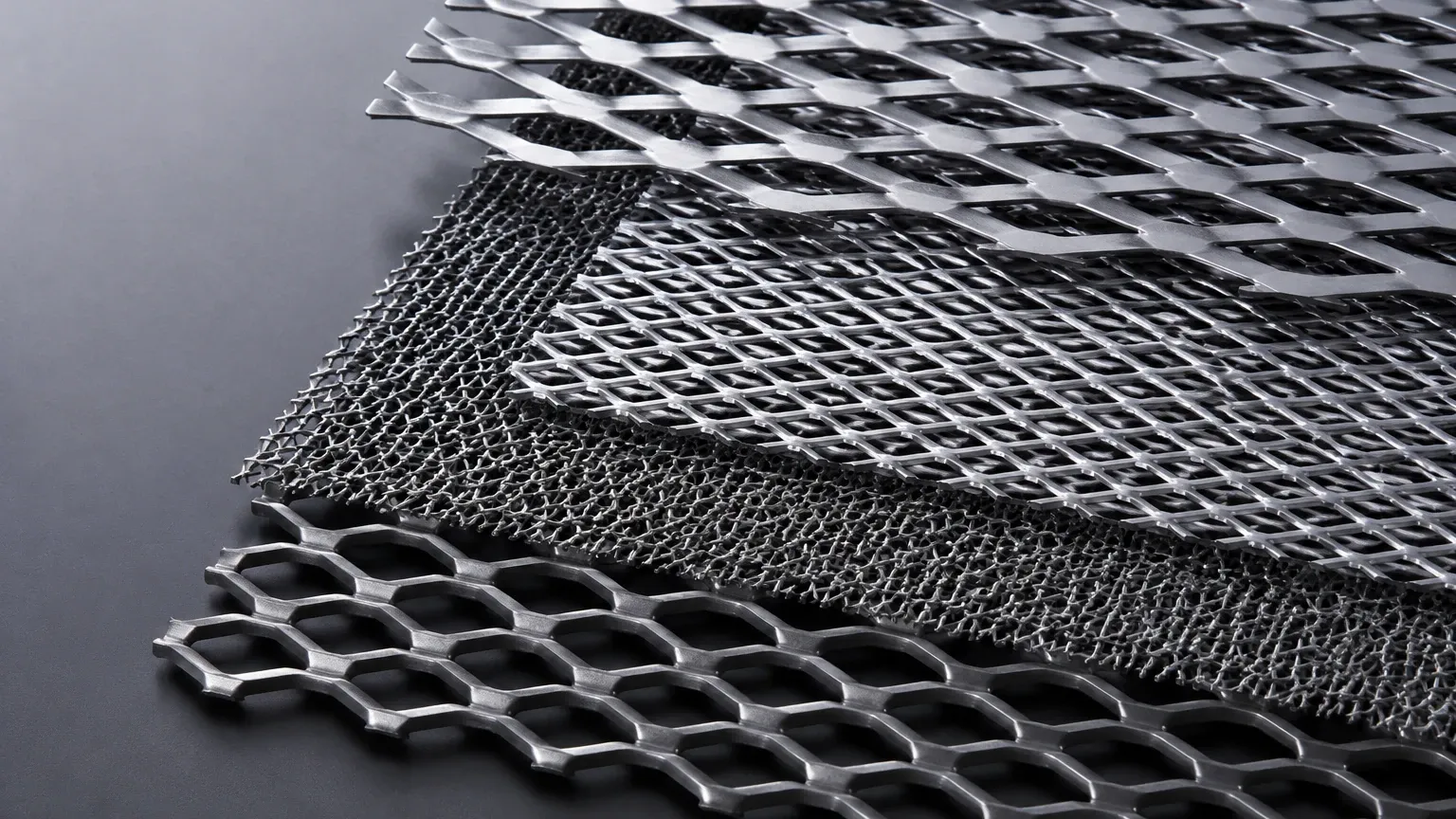
Expanded metal is a unique material produced by simultaneously slitting and stretching a solid metal sheet. Unlike perforated metal, which involves punching out "slugs" or waste material, the expansion process creates a diamond-shaped pattern without any material loss. This characteristic makes expanded metal an exceptionally efficient choice for industrial applications, but it also requires a specific approach to weight calculation and specification.
The Relationship Between Base Material and Expanded Weight
The most fundamental concept regarding expanded metal weight is that the total weight of the finished expanded sheet is equal to the weight of the original solid sheet from which it was produced. Because no material is removed during the manufacturing process, the mass remains constant; however, the surface area increases significantly.
When specifying Perforated & Expanded Metal for filtration or structural support, engineers typically look at the weight per unit area (e.g., kilograms per square meter or pounds per square foot). To determine this, one must consider the expansion ratio. If a solid sheet of stainless steel is expanded to twice its original length, the resulting expanded metal will weigh half as much per square foot as the original solid sheet.
For technical professionals, the weight calculation is not merely about the final mass but about the distribution of that mass across the mesh. The thickness of the base metal and the width of the resulting strands determine the structural rigidity and the open area percentage, both of which are vital for filtration efficiency and pressure drop considerations.
Technical Variables in Weight Calculation
To accurately calculate or verify expanded metal weight, several technical parameters must be defined. These variables are standard across the industry and form the basis of any engineering data sheet provided by manufacturers like Kaifil.
1. Material Density
Different alloys have different densities, which directly impacts the weight of the final product. In the context of industrial filtration, stainless steel is the preferred material due to its corrosion resistance and durability.
* Stainless Steel 304: Approximately 7,930 kg/m³
* Stainless Steel 316/316L: Approximately 8,000 kg/m³
2. Strand Width and Thickness
The strand width is the amount of metal between the openings, while the thickness refers to the gauge of the original solid sheet. These two dimensions are the primary drivers of the weight per square foot. Increasing the strand width while keeping the opening size constant will increase the overall weight and decrease the open area.
3. SWD and LWD (Short Way and Long Way of Diamond)
These dimensions define the size of the diamond opening. The SWD is the distance from the center of a bond to the center of the next bond across the short axis, while the LWD is the distance across the long axis. While these dimensions primarily dictate the filtration accuracy and flow rate, they also influence how many strands are present in a given area, thereby affecting the weight distribution.
4. The Weight Formula
For a quick estimation of expanded metal weight per square foot, engineers often use the following logic:
Weight = (Solid Sheet Weight) × (Strand Width / (SWD / 2))
This formula accounts for the fact that each diamond opening is formed by two strands. By understanding these variables, purchasing teams can cross-reference manufacturer specifications to ensure the material meets the design requirements for the intended application.
Flattened vs. Raised Expanded Metal Weight
Expanded metal is available in two primary forms: raised (standard) and flattened. Understanding the difference is crucial for weight-sensitive applications.
* Raised Expanded Metal: This is the product as it comes off the expanding machine. The strands and bonds are set at a uniform angle to the plane of the sheet. This adds structural depth and provides excellent grip or filtration turbulence, but the "apparent" thickness is much greater than the actual material thickness.
* Flattened Expanded Metal: This is raised expanded metal that has been passed through a cold-rolling flattening mill. This process reduces the thickness of the strands and levels them with the plane of the sheet.
Crucially, the expanded metal weight per square foot remains the same for both raised and flattened versions if they originate from the same base sheet and expansion specs. However, the flattening process increases the overall length and width of the sheet slightly (usually by about 5%), meaning the weight per square foot actually decreases slightly after flattening because the same mass is spread over a marginally larger area. Engineers must account for this slight variance when designing precision filter housings or support cages.
Engineering Considerations for Weight in Filtration
In industrial filtration systems, weight is often a proxy for other performance metrics. Kaifil’s engineering team frequently assists clients in balancing weight with mechanical requirements.
Structural Support and Pressure Differential
In high-pressure hydraulic or chemical processing systems, the filter media (such as fine wire mesh) requires a rigid support structure. Expanded metal is often used as a support tube or outer guard. The weight of the expanded metal is indicative of its ability to withstand pressure differentials. A heavier mesh with wider strands provides higher burst strength, preventing the filter element from collapsing under high flow rates or during viscosity spikes.
Open Area and Flow Dynamics
There is an inverse relationship between expanded metal weight and open area. A lighter mesh typically signifies a larger open area, which results in a lower pressure drop across the filter. For engineers, the goal is to select the lowest possible weight that still provides the necessary structural integrity. This optimization reduces the energy required for pumping and extends the service life of the filtration system.
Thermal Mass and Chemical Resistance
In high-temperature chemical reactions, the thermal mass of the filtration components (determined by their weight) can affect the heat distribution within the vessel. Furthermore, in corrosive environments, the weight of the material provides a "corrosion allowance." A heavier gauge of stainless steel expanded metal will naturally take longer to degrade to the point of structural failure than a lighter gauge, influencing the replacement cycle and total cost of ownership.
Logistics, Handling, and Total Cost of Ownership
From a procurement and logistics perspective, expanded metal weight is a primary factor in the total cost of a project. Accurate weight calculations are necessary for several reasons:
1. Shipping and Freight: Industrial filters are often shipped in bulk. Knowing the exact weight of the components allows logistics teams to calculate shipping costs accurately and select the appropriate freight methods, especially for international OEM orders.
2. Installation and Ergonomics: In large-scale water treatment plants or chemical refineries, filter baskets and cartridges must be manually handled during maintenance. Designing these components using optimized expanded metal weights ensures they are light enough for safe handling by maintenance crews without sacrificing durability.
3. Material Efficiency: Since expanded metal is produced without waste, it is inherently more cost-effective than perforated metal of the same material and thickness. By choosing the correct expansion ratio, engineers can achieve the desired structural performance with less raw material, leading to significant cost savings in large-scale production runs.
Customization and OEM Solutions
Every industrial application has unique requirements. A standard off-the-shelf expanded metal product may not provide the ideal balance of weight, strength, and open area for a specialized pharmaceutical filter or a heavy-duty hydraulic element.
Kaifil specializes in providing customized filtration solutions where expanded metal weight is tailored to the application. This involves:
* Precision Slitting: Adjusting the strand width to the fraction of a millimeter to hit specific weight targets.
* Alloy Selection: Choosing the right grade of stainless steel (e.g., 304, 316L, 310S) to balance weight with environmental resistance.
* Secondary Processing: Providing flattened or annealed expanded metal to meet specific formability requirements for cylindrical filter cartridges.
When engineers consult with a manufacturer, providing the target weight per square foot or the required burst pressure allows the manufacturer to reverse-engineer the ideal expansion parameters. This collaborative approach ensures that the final product is neither over-engineered (adding unnecessary cost and weight) nor under-engineered (risking system failure).
Conclusion: Making Informed Selection Decisions
Expanded metal weight is more than just a logistical data point; it is a fundamental engineering parameter that dictates the performance and longevity of industrial filtration components. By understanding the relationship between strand dimensions, material density, and the expansion process, technical professionals can make more informed decisions during the design and procurement phases.
Whether you are designing a support structure for a pleated filter or a heavy-duty strainer for water treatment, verifying the expanded metal weight ensures that your system will operate within its intended safety margins while remaining cost-effective. For those seeking precision-engineered components, working with a specialist manufacturer like Kaifil provides the technical expertise necessary to navigate these variables and achieve optimal filtration performance.
