


4×8 Sheet Expanded Metal Price Near Me
For procurement managers and industrial engineers, sourcing 4×8 expanded metal sheets involves more than just finding the lowest unit cost. While the search for a "4×8 sheet expanded metal price near me" often begins with a focus on local availability to minimize shipping lead times, the total cost of ownership (TCO) is dictated by material grade, manufacturing precision, and the specific requirements of the industrial application. In sectors such as chemical processing, pharmaceutical manufacturing, and water treatment, the structural integrity and chemical resistance of the metal often outweigh the convenience of local retail sourcing.
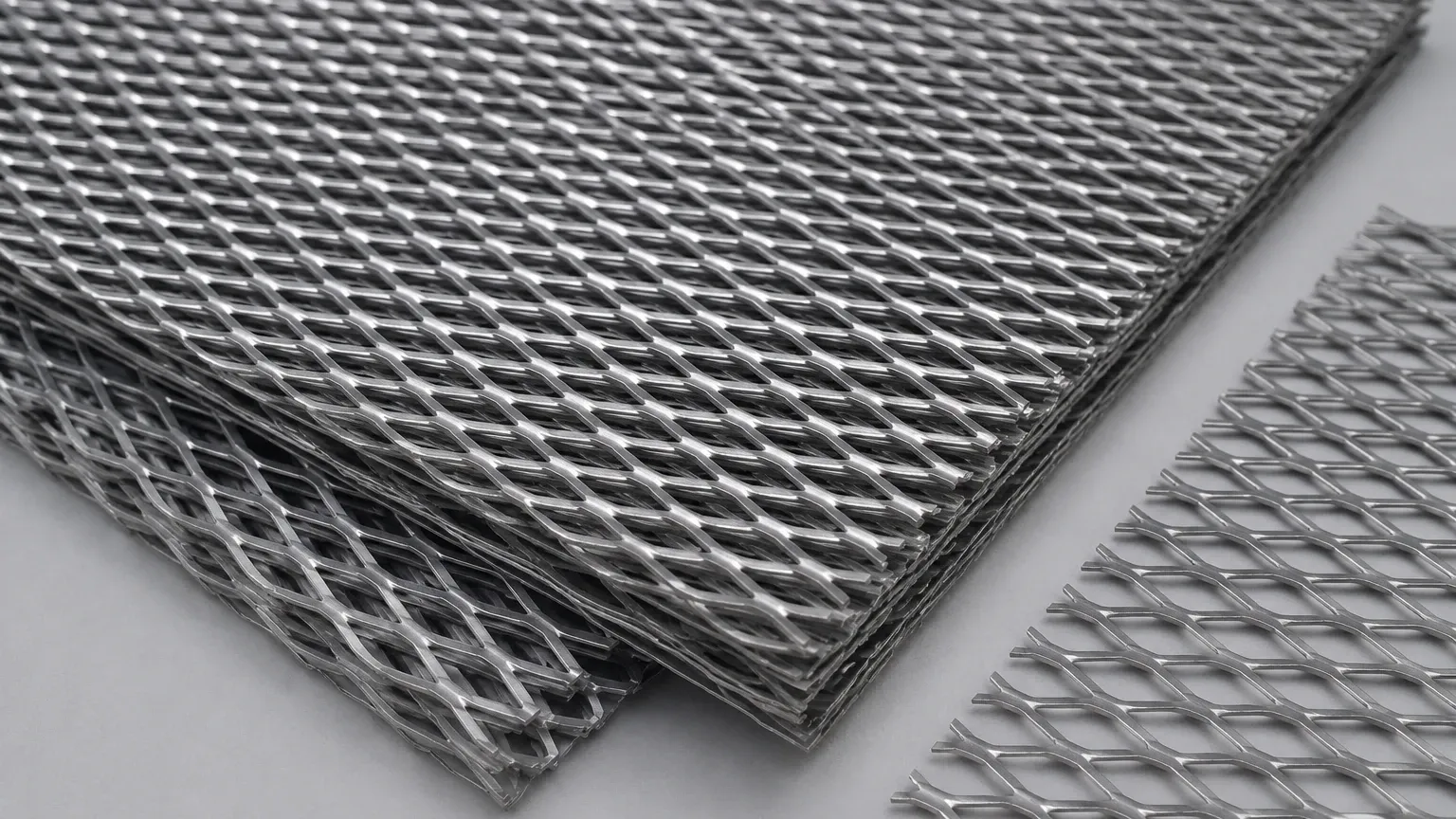
Expanded metal is a versatile material produced by simultaneously slitting and stretching a solid metal sheet. This process creates a diamond-shaped pattern of openings, resulting in a high strength-to-weight ratio. In industrial filtration and structural support, 4×8 sheets are the industry standard for large-scale fabrication, providing a balance between ease of handling and efficient coverage.
Factors Influencing the 4×8 Sheet Expanded Metal Price
When evaluating the price of expanded metal, several variables determine the final quote. Understanding these factors allows technical professionals to optimize their budgets without compromising on performance.
1. Material Selection
The choice of material is the primary driver of cost. Carbon steel is the most economical option, often used for walkways or secondary supports where corrosion is not a primary concern. However, for industrial filtration and harsh environments, stainless steel is the standard.
* 304 Stainless Steel: Offers excellent corrosion resistance and is suitable for most food and beverage or general industrial applications.
* 316 Stainless Steel: Contains molybdenum, providing superior resistance to chlorides and acids. This material carries a price premium but is essential for chemical processing and marine environments.
* Aluminum: Lightweight and corrosion-resistant, though typically less durable than stainless steel in high-pressure filtration systems.
2. Standard vs. Flattened Expanded Metal
Expanded metal is produced in two primary forms: standard (raised) and flattened.
* Standard Expanded Metal: The strands and bonds are set at a uniform angle to the plane of the sheet. This provides extra strength and rigidity, often used as a support structure for finer filter media.
* Flattened Expanded Metal: The standard sheet is passed through a cold-roll reducing mill, which flattens the strands and bonds into the same plane. This increases the surface area contact and is often preferred when the metal needs to be bonded to other layers or used in applications where a smooth surface is required. Flattening adds an extra step to the manufacturing process, which is reflected in the price.
3. Gauge and Opening Size
The thickness of the base metal (gauge) and the dimensions of the diamond opening (Long Way of Design – LWD and Short Way of Design – SWD) determine the weight of the sheet. Since metal is often priced by weight, a thicker gauge or a smaller opening (which uses more material per square foot) will result in a higher price per 4×8 sheet.
Technical Specifications for Industrial Filtration
In the context of Perforated & Expanded Metal, engineers must look beyond the dimensions of the sheet to the technical performance of the mesh. In filtration, expanded metal often serves as the "skeleton" for multi-layer filter elements, providing the necessary mechanical strength to withstand high differential pressures.
Opening Dimensions (LWD and SWD)
* LWD (Long Way of Design): The distance from a point on a diamond to the same point on the next diamond measured across the long diagonal.
* SWD (Short Way of Design): The distance measured across the short diagonal.
For filtration applications, the SWD is particularly important as it influences the flow rate and the size of particles that can be trapped if the expanded metal is used as a primary coarse filter.
Percent Open Area
The open area percentage is a critical calculation for engineers designing hydraulic or air filtration systems. It determines the pressure drop across the filter. A higher open area allows for higher flow rates but may reduce the structural rigidity of the 4×8 sheet. Finding the optimal balance is key to system efficiency.
Logistics and the "Near Me" Sourcing Paradox
While searching for a "4×8 sheet expanded metal price near me" is a logical step to reduce freight costs, it often leads to general metal service centers that stock standard architectural or construction-grade materials. For specialized industrial applications, local sourcing may present several risks:
1. Limited Material Traceability: Industrial filters often require Mill Test Reports (MTRs) to verify chemical composition, especially in the pharmaceutical and food industries. Local hardware or general suppliers may not provide the necessary documentation.
2. Lack of Customization: Standard 4×8 sheets from a local warehouse may require significant secondary processing (cutting, degreasing, or annealing) to be suitable for filter manufacturing.
3. Inconsistent Tolerances: Manufacturing precision is vital when expanded metal is integrated into high-performance filter cartridges. Local stock may have wider tolerances that lead to assembly failures in a production environment.
Sourcing directly from a manufacturer like Kaifil allows for technical consultation, ensuring that the material properties align with the operational demands of the project, even if the shipping distance is greater.
Perforated & Expanded Metal: Choosing the Right Support
When designing filtration solutions, engineers often compare expanded metal with perforated metal. Both serve as excellent support structures, but they offer different advantages.
* Expanded Metal Advantages: It is generally more cost-effective because the manufacturing process produces no scrap. It also offers a higher strength-to-weight ratio and provides a more "three-dimensional" surface that can help in mechanical bonding with other filter layers.
* Perforated Metal Advantages: Perforated metal offers more precise control over hole size and spacing. It is often used when a specific, uniform hole diameter is required for filtration accuracy.
In many high-pressure hydraulic systems, a combination of both may be used, with Perforated & Expanded Metal components providing the internal core and external cage for a pleated wire mesh filter element.
Engineering Considerations Before Purchasing
Before finalizing a purchase based on a 4×8 sheet expanded metal price, engineering teams should confirm the following technical parameters to ensure long-term performance:
Chemical Compatibility
Will the metal be exposed to corrosive cleaning agents or aggressive process fluids? In the chemical processing industry, even 304 stainless steel may fail where 316L or specialty alloys are required. Ensuring the material grade is correct at the time of purchase prevents costly premature replacements.
Pressure and Flow Requirements
What is the maximum differential pressure the sheet must withstand? In hydraulic applications, the expanded metal must support the filter media against collapsing under high pressure. The strand thickness and bond width must be engineered to handle these loads.
Surface Finish and Cleanliness
For food, beverage, and pharmaceutical applications, the expanded metal must be free of manufacturing oils and burrs. Standard industrial sheets often have sharp edges and residual lubricants. Specifying a "clean for oxygen service" or "food-grade" finish is essential, and this is a service typically provided by specialized manufacturers rather than local general suppliers.
Total Cost Considerations
The price of a 4×8 sheet is only one component of the total cost. When evaluating quotes, consider the following:
* Processing Costs: If the sheet needs to be cut into smaller discs or cylinders, does the supplier offer precision shearing or laser cutting?
* Waste Reduction: A manufacturer can often provide custom-sized sheets or parts that minimize the scrap generated from a standard 4×8 sheet, potentially lowering the overall project cost despite a higher unit price.
* Durability: A higher-quality stainless steel sheet may have a higher initial price but a significantly longer service life in a corrosive environment, reducing the frequency of replacement and system downtime.
Conclusion
Finding a competitive 4×8 sheet expanded metal price near me is a priority for many purchasing departments, but for industrial filtration and engineering projects, the technical specifications must lead the decision-making process. By focusing on material integrity, precise opening dimensions, and the specific needs of the application—whether it be chemical resistance or structural support—engineers can ensure they are selecting a product that delivers reliable performance.
For those requiring high-performance filtration components, working with a specialized manufacturer ensures access to technical expertise and customized solutions that standard local suppliers cannot match. Whether you need standard 4×8 sheets or custom-fabricated metal components, understanding the engineering nuances of expanded metal is the first step toward an optimized filtration system.
