


4×8 Sheet Expanded Metal Price Philippines
In the industrial landscape of the Philippines, expanded metal remains a cornerstone material for structural support, safety grating, and, most critically, high-performance filtration systems. For procurement managers and engineers, understanding the 4×8 sheet expanded metal price philippines involves more than just looking at a price tag; it requires a deep dive into material science, manufacturing tolerances, and the specific demands of the application environment.
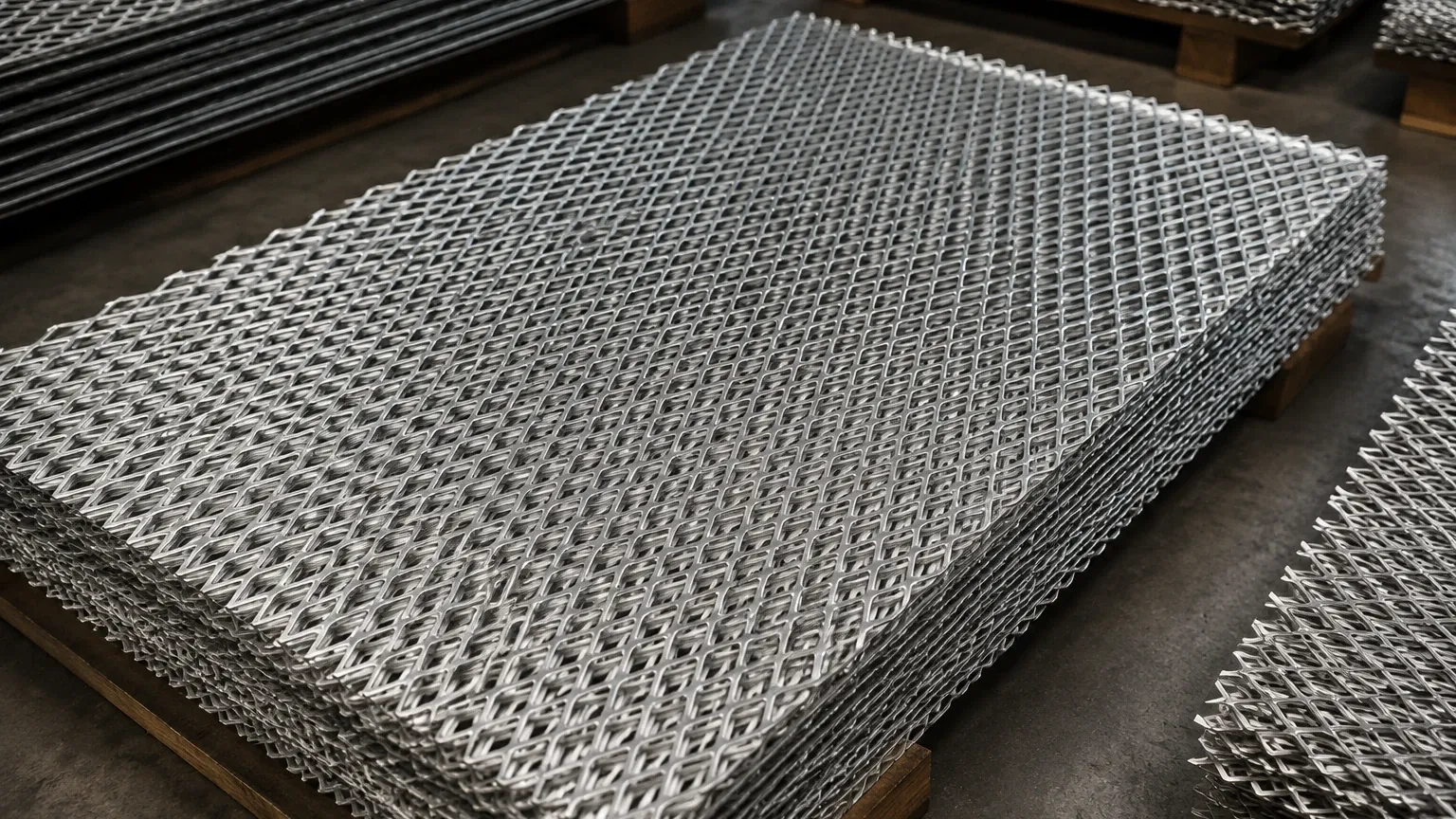
Expanded metal is produced by simultaneously slitting and stretching a single sheet of metal—typically stainless steel or carbon steel—to create a diamond-shaped pattern. Unlike perforated metal, which involves punching holes and generating scrap, expanded metal is a "zero-waste" product, making it an inherently cost-effective solution for large-scale industrial projects. However, the final cost in the Philippine market is influenced by a complex interplay of global material indices, shipping logistics, and technical specifications.
Understanding the Industrial Value of Expanded Metal Sheets
The 4×8 foot sheet (approximately 1220mm x 2440mm) is the global standard for industrial metal distribution. In the Philippines, this size is favored because it aligns with standard transport dimensions and fabrication equipment. When evaluating Perforated & Expanded Metal for industrial use, engineers must distinguish between the two based on structural requirements and filtration efficiency.
Expanded metal offers a unique strength-to-weight ratio. Because the metal is stretched rather than cut, the "bonds" (the intersections of the strands) remain intact, providing a continuous path for heat and electricity while maintaining rigid structural integrity. In filtration, expanded metal often serves as the outer protective cage or the inner support core for delicate filter media, ensuring that the filter can withstand high-pressure differentials without collapsing.
Key Factors Influencing 4×8 Sheet Expanded Metal Price Philippines
When requesting quotes for 4×8 sheets, several technical variables will dictate the final price. Understanding these variables allows engineers to optimize their specifications for both performance and budget.
1. Material Grade and Composition
Material selection is the primary driver of cost. In the Philippines' industrial sectors—such as food processing in Cebu or chemical plants in Batangas—stainless steel is often non-negotiable due to its corrosion resistance.
* Carbon Steel: The most economical option, suitable for indoor applications or where secondary coatings (like galvanizing) will be applied.
* Stainless Steel 304: The standard for food and beverage applications, offering excellent corrosion resistance at a mid-range price point.
* Stainless Steel 316: Highly recommended for marine environments or aggressive chemical filtration. While the 4×8 sheet expanded metal price philippines for SS316 is higher, its longevity in corrosive settings often results in a lower total cost of ownership.
2. Gauge and Strand Dimensions
The thickness of the original sheet (gauge) and the width of the resulting strands determine the weight of the 4×8 sheet. Since metal is priced by weight, a heavier gauge or wider strand will increase the cost. Engineers must balance the need for structural rigidity with the desire to maximize open area for flow efficiency.
3. Opening Size (LWD and SWD)
The diamond pattern is defined by the Long Way of the Design (LWD) and the Short Way of the Design (SWD). Smaller openings require more processing time and more "stretching" cycles per foot of material, which can influence the manufacturing cost even if the total weight remains similar to a larger pattern.
4. Surface Finish: Standard vs. Flattened
* Standard (Raised) Expanded Metal: This is the material as it comes off the machine. The strands are set at an angle to the plane of the sheet, providing maximum rigidity and a slip-resistant surface.
* Flattened Expanded Metal: The standard sheet is passed through a cold-rolling reducing mill. This flattens the strands and bonds into a single plane. Flattened metal is often preferred for filtration support because it provides a smooth surface that won't abrade the filter media, though the extra processing step may add to the cost.
Engineering Specifications and Selection Criteria
For technical professionals, selecting the right expanded metal involves calculating the "Percent Open Area." This is critical for filtration applications where pressure drop must be minimized. A 4×8 sheet with a 60% open area will behave very differently from one with a 40% open area in a hydraulic or water treatment system.
Technical Terminology for Procurement
To ensure accurate quoting and avoid compatibility issues, engineers should use standardized terminology when communicating with suppliers:
* Strand: The single metal strip that forms the border of the diamond.
* Bond: The point where two strands intersect.
* Pitch: The distance from a point on one diamond to the same point on the next diamond.
* Style: Often expressed as a combination of gauge and a designator (e.g., 1/2" #13), which refers to the SWD and the thickness.
In the context of Kaifil’s custom filtration solutions, expanded metal is often integrated into multi-layer filter elements. In these cases, the 4×8 sheet is merely the raw material that undergoes precision cutting, rolling, and welding to become a finished industrial component.
Comparing Expanded Metal with Perforated Metal for Filtration
While both materials fall under the category of Perforated & Expanded Metal, their performance characteristics differ significantly. Perforated metal offers more precise hole sizes and shapes (round, square, hexagonal), which is vital for fine particle separation. However, expanded metal is generally more cost-effective for support structures.
In high-pressure hydraulic applications, expanded metal is frequently used as a "pleat support." It is layered with wire mesh and pleated together. The expanded metal provides the mechanical strength to keep the pleats open under flow, while the wire mesh performs the actual filtration. When analyzing the 4×8 sheet expanded metal price philippines, engineers should consider whether the structural benefits of expanded metal allow for a reduction in the thickness of other, more expensive filtration layers.
Sourcing and Logistics in the Philippine Market
The Philippines relies heavily on a mix of local stockists and international manufacturers. For standard carbon steel 4×8 sheets, local hardware distributors in Metro Manila or Davao may offer the fastest turnaround. However, for specialized stainless steel filtration-grade expanded metal, sourcing from a manufacturer like Kaifil ensures higher quality control and material traceability.
Import Considerations
When sourcing internationally, the "price" must include more than just the FOB (Free on Board) cost. Factors include:
* Shipping and Freight: 4×8 sheets are bulky. Palletization and container space must be optimized.
* Customs and Duties: Depending on the material grade and its intended use (e.g., as a component for industrial machinery), different tariff rates may apply.
* Lead Times: While local stock may be available, custom-manufactured sheets or specific stainless steel grades may have a lead time of several weeks. Planning for these lead times is essential for maintenance and repair operations (MRO).
Total Cost of Ownership and Maintenance
A common mistake in procurement is focusing solely on the initial 4×8 sheet expanded metal price philippines. For industrial filtration, the total cost of ownership (TCO) includes installation, cleaning, and replacement frequency.
Durability in Corrosive Environments
In a Philippine coastal power plant or a chemical refinery, a cheaper carbon steel sheet may fail within months due to salt-air corrosion or chemical attack. Replacing that sheet involves labor costs, system downtime, and potential damage to downstream equipment. Investing in a high-grade stainless steel expanded metal sheet from the outset can extend the service life by years, significantly reducing the TCO.
Cleaning and Reusability
Unlike disposable synthetic filters, stainless steel expanded metal components are often cleanable. In food and beverage applications, the ability to withstand Clean-in-Place (CIP) cycles—involving high-temperature water and caustic chemicals—is a major advantage. The rigidity of expanded metal ensures that the filter structure remains stable even after multiple cleaning cycles.
Customization vs. Standard Sheets
While the 4×8 sheet is the most common purchasing unit, many industrial applications require custom sizes. Kaifil specializes in taking these raw materials and transforming them into precision-engineered filtration components.
For many OEMs (Original Equipment Manufacturers) in the Philippines, it is more cost-effective to order pre-cut or formed expanded metal parts rather than purchasing full 4×8 sheets and processing them in-house. This reduces local scrap rates and ensures that the filtration components meet strict dimensional tolerances required for high-performance machinery.
When to Buy 4×8 Sheets:
* General structural maintenance.
* On-site fabrication of safety guards or walkways.
* Large-scale architectural applications.
When to Request Custom Components:
* Integration into specialized filter cartridges.
* High-precision industrial machinery components.
* Applications requiring specific edge treatments (e.g., U-edging for safety).
Conclusion: Making an Informed Purchase
Navigating the 4×8 sheet expanded metal price philippines requires a balance of technical knowledge and market awareness. By focusing on material grade, gauge, and the specific needs of the filtration or structural environment, engineers can select a product that offers the best performance-to-cost ratio.
Whether you are designing a new water treatment system or maintaining a chemical processing plant, the choice of Perforated & Expanded Metal will impact the efficiency and longevity of your operations. Always verify material certifications and ensure that the supplier can meet the rigorous demands of industrial filtration standards. For those in the Philippines looking to optimize their filtration processes, understanding these technical nuances is the first step toward achieving reliable, long-term results.
Download 4×8 Sheet Expanded Metal Price Philippines as a PDF
