


6mm Expanded Metal Mesh Price Philippines
In industrial engineering and procurement, selecting the right structural components for filtration and screening systems requires a balance between technical performance and cost-efficiency. For professionals sourcing materials in the Southeast Asian market, understanding the variables that influence the 6mm expanded metal mesh price philippines is essential for project budgeting and system design.
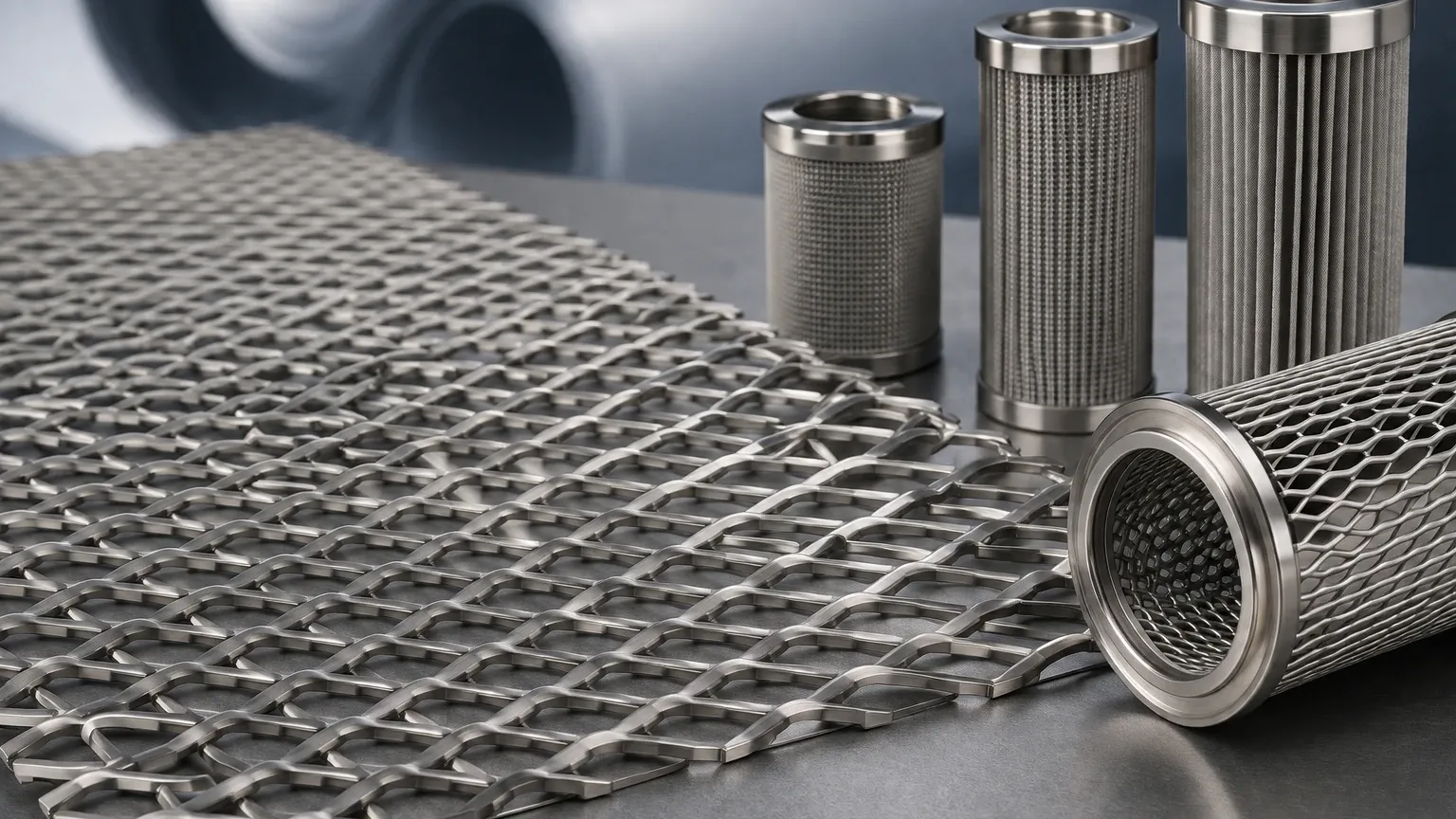
Expanded metal is a versatile material produced by simultaneously slitting and stretching a metal sheet, creating a diamond-shaped pattern without any waste of material. This process results in a high strength-to-weight ratio, making it an ideal choice for support structures in industrial filters, protective grilles, and architectural elements. When dealing with a 6mm specification, engineers typically refer to either the short way of the diamond (SWD) or the thickness of the material, both of which significantly impact the final price and performance characteristics.
Technical Specifications of 6mm Expanded Metal Mesh
Before evaluating costs, it is critical to define the technical parameters that constitute a "6mm" specification. In the context of Perforated & Expanded Metal, several measurements define the mesh geometry:
1. SWD (Short Way of Diamond): The distance from the center of a bond to the center of the next bond across the short axis.
2. LWD (Long Way of Diamond): The distance across the long axis of the diamond.
3. Strand Width: The amount of metal fed into the machine for each stroke.
4. Strand Thickness: The original thickness of the base metal sheet.
For many industrial applications in the Philippines, a 6mm expanded mesh often refers to a mesh with an SWD of approximately 6mm, which provides a fine enough aperture for debris exclusion while maintaining high airflow or fluid permeability. The thickness of the material—often ranging from 0.5mm to 3.0mm—will dictate the structural rigidity and the weight of the final product, both of which are primary drivers of the unit price.
Factors Influencing the 6mm Expanded Metal Mesh Price Philippines
Determining the exact 6mm expanded metal mesh price philippines requires an analysis of several market and manufacturing factors. Because the Philippines relies on a mix of local distribution and international imports, the following variables are the most influential:
Material Grade and Composition
The choice of material is the most significant factor in pricing.
* Stainless Steel (304 and 316): These are the standard for filtration and chemical processing due to their corrosion resistance. Grade 316 is more expensive than 304 because of its molybdenum content, which provides superior resistance to chlorides and marine environments—a common requirement for industrial sites in the Philippines.
* Carbon Steel: This is the most cost-effective option. However, it usually requires secondary treatments like galvanization or powder coating to prevent rust, which adds to the total cost.
* Aluminum: Lightweight and naturally corrosion-resistant, aluminum is priced higher than carbon steel but lower than high-grade stainless steel.
Manufacturing Complexity and Tolerances
Standard expanded metal is typically less expensive than flattened expanded metal. The flattening process involves passing the mesh through a cold-roll reducing mill, which levels the bonds and strands to a uniform thickness. For high-precision filtration applications, flattened mesh is often preferred to ensure a smooth surface that won't damage delicate filter media. The additional processing step increases the production cost.
Volume and Logistics
In the Philippine market, bulk procurement significantly reduces the price per square meter. Small-scale purchases from local hardware distributors often carry a high markup. Conversely, sourcing directly from a manufacturer like Kaifil allows for customized specifications and lower unit costs, though logistics and import duties must be factored into the landed price in Manila, Cebu, or Davao.
Industrial Applications in Filtration and Beyond
Engineers often specify 6mm expanded metal for its functional properties in demanding environments. Its role in industrial systems includes:
Support for Fine Filter Media
In liquid and gas filtration, fine wire mesh or synthetic membranes often lack the structural integrity to withstand high pressure. Expanded metal serves as a robust support cage or pleat support, preventing the filter media from collapsing or deforming under flow stress. The 6mm aperture is particularly effective for supporting medium-to-fine meshes used in hydraulic systems and chemical processing.
Pre-Filtration and Debris Screening
In water treatment and HVAC systems, 6mm expanded metal acts as a primary screen to remove large particulates before they reach more sensitive components. Its rigid structure allows for easy cleaning and high durability against mechanical impact.
Safety and Protective Barriers
Beyond filtration, the material is used for machine guards and security partitions. The 6mm diamond size offers a balance between visibility and protection, preventing fingers or tools from entering hazardous areas while allowing for adequate ventilation.
Evaluating Quality: Engineering Considerations
When comparing quotes for the 6mm expanded metal mesh price philippines, engineers should look beyond the bottom-line figure and evaluate the following quality indicators:
* Open Area Ratio: This is critical for calculating pressure drop in filtration systems. A higher open area allows for better flow rates but may reduce the structural strength of the mesh. Precise manufacturing ensures that the open area remains consistent across the entire sheet.
* Bond Integrity: In low-quality expanded metal, the bonds (where the strands intersect) can be weak points prone to cracking under vibration or pressure. High-quality manufacturing ensures uniform expansion without micro-fractures.
* Surface Finish: For pharmaceutical or food and beverage applications, the mesh must be free of burrs, oils, and sharp edges. Electropolishing or ultrasonic cleaning may be required, which will influence the final cost.
Procurement Strategy for the Philippine Market
To optimize the procurement process and ensure the best 6mm expanded metal mesh price philippines, purchasing teams should follow a structured approach:
1. Define Exact Specifications: Provide the manufacturer with the SWD, LWD, strand width, and thickness. Specify whether the mesh should be raised (standard) or flattened.
2. Confirm Material Certifications: Request Material Test Reports (MTRs) to verify that the stainless steel or alloy meets international standards (ASTM or DIN). This prevents the risk of using sub-standard materials that may fail prematurely in corrosive environments.
3. Assess Total Cost of Ownership (TCO): A cheaper carbon steel mesh may seem attractive initially, but if it requires frequent replacement due to corrosion in the humid Philippine climate, a stainless steel option may be more cost-effective over a five-year cycle.
4. Lead Time Management: Factor in the time required for manufacturing and international shipping. While local stock may be available for standard sizes, custom filtration components often require a 4-to-8 week lead time.
The Role of Customization in Cost Management
One of the advantages of working with a professional manufacturer like Kaifil is the ability to customize the Perforated & Expanded Metal to the exact needs of the application. Customization does not always mean higher costs; in many cases, it can lead to savings by:
* Reducing Material Waste: Ordering custom sheet sizes that match the dimensions of the filter housing reduces off-cut waste.
* Optimizing Performance: Adjusting the strand width can provide the necessary strength without over-specifying the base sheet thickness, potentially lowering the material weight and cost.
* Integrated Features: Manufacturers can provide expanded metal with solid borders or specific mounting holes, reducing the labor required for installation at the project site.
Conclusion
While the 6mm expanded metal mesh price philippines is subject to fluctuations in global metal markets and local logistics costs, a technical understanding of the material allows engineers to make informed decisions. By focusing on material grade, mesh geometry, and the specific requirements of the filtration or structural application, procurement teams can secure high-performance components that offer long-term reliability.
For industrial projects requiring precision and durability, stainless steel expanded metal remains the benchmark. Whether used as a support layer in a complex filtration system or as a protective barrier in a manufacturing plant, the value of the mesh is found in its structural integrity and its ability to perform under pressure. When sourcing these materials, partnering with an experienced manufacturer ensures that the technical specifications are met with the highest quality standards, providing a dependable solution for the most demanding industrial environments.
