


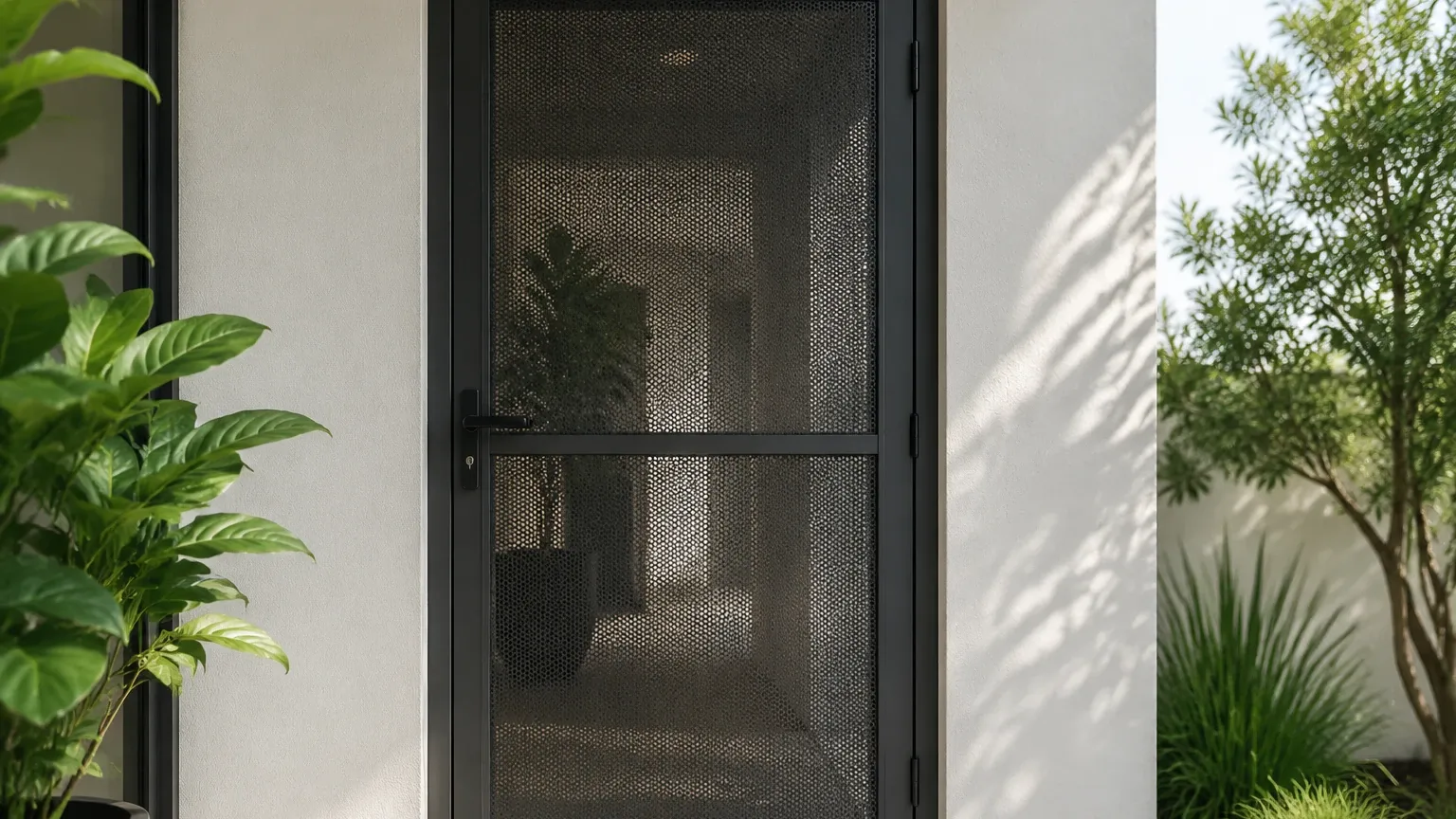
Perforated Metal Screen Door
In industrial and high-traffic commercial environments, the selection of barrier materials is a critical engineering decision that impacts security, ventilation, and structural longevity. A perforated metal screen door serves as more than just a physical entry point; it is a precision-engineered component designed to balance airflow requirements with protective shielding. Utilizing high-grade Perforated & Expanded Metal, these doors provide a robust alternative to traditional mesh or solid panels, offering superior resistance to mechanical impact and environmental corrosion.
For engineers and facility managers, understanding the technical specifications of perforated and expanded metal is essential for optimizing performance. Whether the application involves chemical processing plants, food production facilities, or heavy-duty industrial warehouses, the choice of material, hole pattern, and gauge thickness determines the effectiveness of the installation.
Understanding Perforated and Expanded Metal in Screen Door Applications
The core of a high-performance perforated metal screen door lies in the base material. Perforated metal is produced through a precision punching process where a series of holes are removed from a solid metal sheet. This process allows for exact control over the open area percentage, which is vital for maintaining specific airflow or light transmission levels.
Expanded metal, conversely, is manufactured by simultaneously slitting and stretching the metal sheet. This creates a diamond-shaped pattern without any material waste. While both materials are used in screen door construction, perforated metal is often preferred for applications requiring specific hole geometries (such as round, square, or hexagonal) and a flush, smooth surface finish. Expanded metal is frequently selected when a higher strength-to-weight ratio or a more slip-resistant, three-dimensional texture is required.
In the context of industrial doors, these materials provide a rigid structure that does not sag or tear like traditional woven wire screens. This rigidity is particularly important in large-scale industrial frames where the screen must withstand high pressure or frequent physical contact.
Material Selection for Industrial Environments
Material compatibility is the first technical hurdle in designing a perforated metal screen door. Industrial environments often expose metal components to moisture, chemicals, and temperature fluctuations. Kaifil specializes in stainless steel solutions, which are the industry standard for durability.
Stainless Steel 304 vs. 316
* Grade 304: This is the most common grade used for industrial screens. It offers excellent corrosion resistance and formability. It is suitable for most indoor and mild outdoor environments where exposure to harsh chemicals is limited.
* Grade 316: For facilities located near coastal areas or those involved in chemical processing and pharmaceuticals, Grade 316 is the preferred choice. The addition of molybdenum enhances its resistance to chlorides (pitting corrosion), making it the most reliable option for demanding industrial filtration and screening tasks.
Other materials, such as aluminum or galvanized steel, may be considered for weight reduction or cost-sensitive projects, but they generally lack the long-term structural integrity and chemical resistance provided by stainless steel in high-performance settings.
Engineering Considerations: Open Area and Airflow
One of the primary functions of a perforated metal screen door is to facilitate ventilation while maintaining a secure perimeter. Engineers must calculate the "Open Area Percentage" to ensure the door does not impede the facility's HVAC systems or natural pressure equalization.
Calculating Open Area
The open area is the ratio of the total area of the holes to the total area of the sheet, expressed as a percentage. For a standard round hole pattern with 60-degree staggered centers, the formula is:
Open Area % = (D² × 90.69) / P²
*(Where D = Hole Diameter and P = Pitch/Center-to-Center distance)*
A higher open area increases airflow but may reduce the structural rigidity of the panel. Conversely, a low open area provides maximum security and impact resistance but may cause significant pressure drops across the doorway. For most industrial screen doors, an open area between 40% and 60% provides an optimal balance between visibility, airflow, and strength.
Comparative Analysis: Perforated vs. Expanded Metal Screens
When specifying a screen door, the choice between perforated and expanded metal depends on the specific mechanical requirements of the site.
| Feature | Perforated Metal | Expanded Metal |
| :— | :— | :— |
| Hole Geometry | Highly customizable (Round, Square, Slotted) | Fixed Diamond/Hexagonal |
| Surface Profile | Flat and smooth | Raised (Standard) or Flat (Flattened) |
| Material Waste | Generates scrap (slugs) | Zero waste during expansion |
| Strength | High tensile strength; consistent across the sheet | High strength-to-weight ratio; directional strength |
| Filtration Capability | Precision hole sizes for debris exclusion | General-purpose screening |
For a perforated metal screen door, the precision of the punching process allows for the exclusion of specific sizes of pests or airborne debris, which is critical in food and beverage or pharmaceutical cleanroom transitions. Expanded metal is often used for heavy-duty security gates where the primary goal is a physical deterrent rather than precision filtration.
Security and Durability Factors
In B2B applications, security is a non-negotiable requirement. A perforated metal screen door provides a significant upgrade over standard mesh doors due to its resistance to cutting and blunt force.
Gauge Thickness and Impact Resistance
The thickness of the metal sheet, or gauge, is a major factor in durability. For industrial doors, gauges typically range from 18-gauge (approx. 1.2mm) to 11-gauge (approx. 3.0mm). A thicker gauge ensures that the door can withstand accidental impacts from forklifts, carts, or heavy machinery without deforming.
Edge Treatment and Framing
To ensure the longevity of the screen, the perforated panel must be properly integrated into the door frame. Kaifil recommends using a U-edging or a recessed frame design. This protects the edges of the perforated sheet from moisture ingress and prevents the sharp edges of the punched holes from being exposed, which is a safety consideration for personnel.
Customization and OEM Manufacturing
Every industrial facility has unique requirements based on its operational workflow. Standard off-the-shelf doors rarely meet the specific tolerances needed for high-performance environments. This is where custom manufacturing becomes essential.
Customization options for a perforated metal screen door include:
* Variable Hole Patterns: Utilizing different hole sizes in different sections of the door to manage airflow and privacy.
* Precision Dimensions: Manufacturing panels to exact tolerances to fit existing architectural frames or custom machinery enclosures.
* Finishing Processes: Beyond material selection, finishes such as electropolishing, powder coating, or passivation can be applied to enhance corrosion resistance and aesthetic integration.
As a professional manufacturer, Kaifil provides comprehensive support for OEM projects, ensuring that the Perforated & Expanded Metal components meet the rigorous standards of the chemical, hydraulic, and water treatment sectors.
Maintenance and Installation Best Practices
To maximize the ROI of an industrial screen door, proper installation and maintenance protocols must be followed. Unlike fabric or plastic screens, stainless steel perforated doors require minimal but specific care.
Installation
Ensure the door is hung with heavy-duty industrial hinges capable of supporting the weight of a solid metal panel. Misalignment during installation can lead to uneven wear on the latching mechanisms and may cause the perforated sheet to vibrate or rattle under high airflow conditions.
Cleaning and Inspection
In food-grade or pharmaceutical environments, the screen should be cleaned regularly to prevent the buildup of organic matter in the holes. Stainless steel screens can be pressure washed or cleaned with industrial detergents. Periodic inspections should focus on:
1. Integrity of Welds: Checking the points where the perforated sheet meets the frame.
2. Surface Corrosion: Identifying any signs of "tea staining" or pitting, especially in Grade 304 installations in harsh environments.
3. Hole Obstruction: Ensuring that the open area remains clear to maintain designed airflow rates.
Conclusion for Technical Purchasing Teams
Selecting a perforated metal screen door requires a deep dive into material science and mechanical engineering. By focusing on the specific needs of the application—whether it be the high-purity requirements of a pharmaceutical lab or the rugged demands of a chemical warehouse—purchasing teams can ensure they select a solution that offers the lowest total cost of ownership.
By prioritizing high-quality stainless steel and precision-engineered hole patterns, facilities can achieve a balance of security, ventilation, and durability. For those seeking specialized filtration or precision metal components, partnering with a manufacturer that understands the nuances of material selection and customization is the most effective path to a successful installation.
