


Tebal Perforated Metal
In industrial filtration and structural engineering, the thickness of a material—often referred to as "tebal" in various regional markets—is a primary specification that dictates the performance, durability, and manufacturability of a component. For perforated and expanded metal, thickness is not merely a dimensional attribute; it is a critical engineering variable that influences the structural integrity of filter cartridges, the efficiency of fluid flow, and the overall lifecycle of the equipment in demanding environments like chemical processing or hydraulic systems.
Selecting the correct tebal perforated metal requires a balance between mechanical strength and the functional requirements of the application. At Kaifil, we specialize in custom stainless steel filtration solutions where precision in material thickness ensures that every component meets the rigorous standards of industrial operations. This guide explores the technical considerations surrounding thickness in perforated metal production and how it affects the final filtration outcome.
Understanding Material Thickness (Tebal) in Perforated Metal Production
Material thickness in the context of perforated metal refers to the gauge or millimeter measurement of the sheet or coil before the punching process begins. In the B2B sector, thickness is typically specified in millimeters (mm) for precision, though US Standard Gauges are still frequently used in certain regions.
When discussing tebal perforated metal, engineers must distinguish between the nominal thickness of the raw material and the effective thickness of the finished part. The perforation process can slightly alter the flatness and internal stress of the metal. For industrial filtration, stainless steel (primarily Grades 304, 316, and 316L) is the preferred substrate due to its corrosion resistance and mechanical stability at various thicknesses.
Common thickness ranges for industrial perforated metal include:
* Light Gauge (0.5mm to 1.5mm): Used for fine filtration, decorative panels, and lightweight protective sleeves.
* Medium Gauge (2.0mm to 5.0mm): Standard for industrial baskets, strainers, and support cores in filter cartridges.
* Heavy Gauge (6.0mm and above): Utilized in high-pressure hydraulic systems, heavy-duty mining screens, and structural components requiring maximum rigidity.
The Relationship Between Thickness and Hole Diameter
One of the most critical engineering constraints in the production of perforated metal is the relationship between the material thickness and the hole diameter. In the manufacturing industry, this is often governed by the "1-to-1 Rule."
The 1-to-1 Rule
Generally, the hole diameter should not be smaller than the material thickness. For example, if you are specifying a tebal perforated metal of 5mm, the hole diameter should ideally be 5mm or larger. While advanced CNC punching and laser cutting technologies allow for slightly smaller holes in thicker materials, attempting to punch a 2mm hole through 5mm stainless steel significantly increases the risk of tool breakage, uneven hole edges, and material deformation.
Technical Implications
When the hole-to-thickness ratio is unfavorable, the punch pins experience extreme stress. This leads to frequent maintenance downtime and can result in "burrs" or sharp edges on the exit side of the hole. For filtration applications, these burrs can trap contaminants or damage secondary filter media (like fine wire mesh layers), making the deburring process essential but more costly.
Structural Integrity and Load-Bearing Capacity
In industrial filtration, perforated metal often serves as the "backbone" or support core for thinner filtration media. The thickness of this core determines the collapse pressure of the filter cartridge.
Resistance to Differential Pressure
In hydraulic and chemical processing applications, filters are subjected to high differential pressures (ΔP). If the tebal perforated metal is too thin, the support core may buckle or collapse inward as the filter becomes loaded with contaminants. Increasing the thickness provides the necessary moment of inertia to resist these radial forces.
Rigidity and Deflection
For large-scale industrial screens or vibrating separators, thickness is the primary factor in preventing excessive deflection. A thicker plate ensures that the screen remains flat under the weight of the processed material, maintaining a consistent gap between the screen and any rotating or moving parts within the machinery.
Impact of Thickness on Filtration Performance
While thickness provides strength, it also interacts with the fluid dynamics of the system. Engineers must consider how the depth of the hole (which is equal to the material thickness) affects the passage of liquids or gases.
Open Area and Transparency
The open area percentage is the ratio of the total area of the holes to the total area of the sheet. While thickness doesn't directly change the two-dimensional open area percentage, it does affect the "effective" open area when fluids enter at an angle. In thick materials, the walls of the holes can create a shadowing effect, slightly increasing the resistance to flow compared to a thinner material with the same hole pattern.
Pressure Drop Considerations
A thicker plate results in a longer path for the fluid to travel through each hole. In high-velocity systems, this can contribute to a slightly higher pressure drop. However, this is often a necessary trade-off for the structural benefits mentioned previously. When designing custom Perforated & Expanded Metal solutions, Kaifil's engineering team calculates these variables to ensure the filtration system operates within its designed energy efficiency parameters.
Material Selection and Corrosion Resistance
The choice of material thickness is inextricably linked to the environmental conditions of the application. In corrosive environments, such as marine or chemical processing, material loss due to oxidation or chemical attack must be factored into the initial thickness specification.
Corrosion Allowance
Engineers often include a "corrosion allowance" in their designs. If an application is expected to lose 0.1mm of material thickness over five years due to the acidity of the fluid, the initial tebal perforated metal might be specified as 3.2mm instead of 3.0mm to ensure the structural integrity remains intact throughout the component's service life.
Stainless Steel Grades
* Grade 304: Suitable for general industrial use and food processing where moisture is present.
* Grade 316/316L: Contains molybdenum, providing superior resistance to chlorides and acids. Because 316L is more expensive, optimizing the thickness is essential to balance cost and performance.
Customization Options and Engineering Specifications
Every industrial environment has unique requirements, which is why standardized off-the-shelf perforated metal often falls short. Customization allows engineers to specify the exact thickness required for their specific pressure and flow conditions.
Key Information for Specification
Before ordering or requesting a quote for custom perforated components, technical teams should confirm the following:
1. Exact Millimeter Thickness: Avoid ambiguous terms; specify the decimal thickness (e.g., 2.5mm).
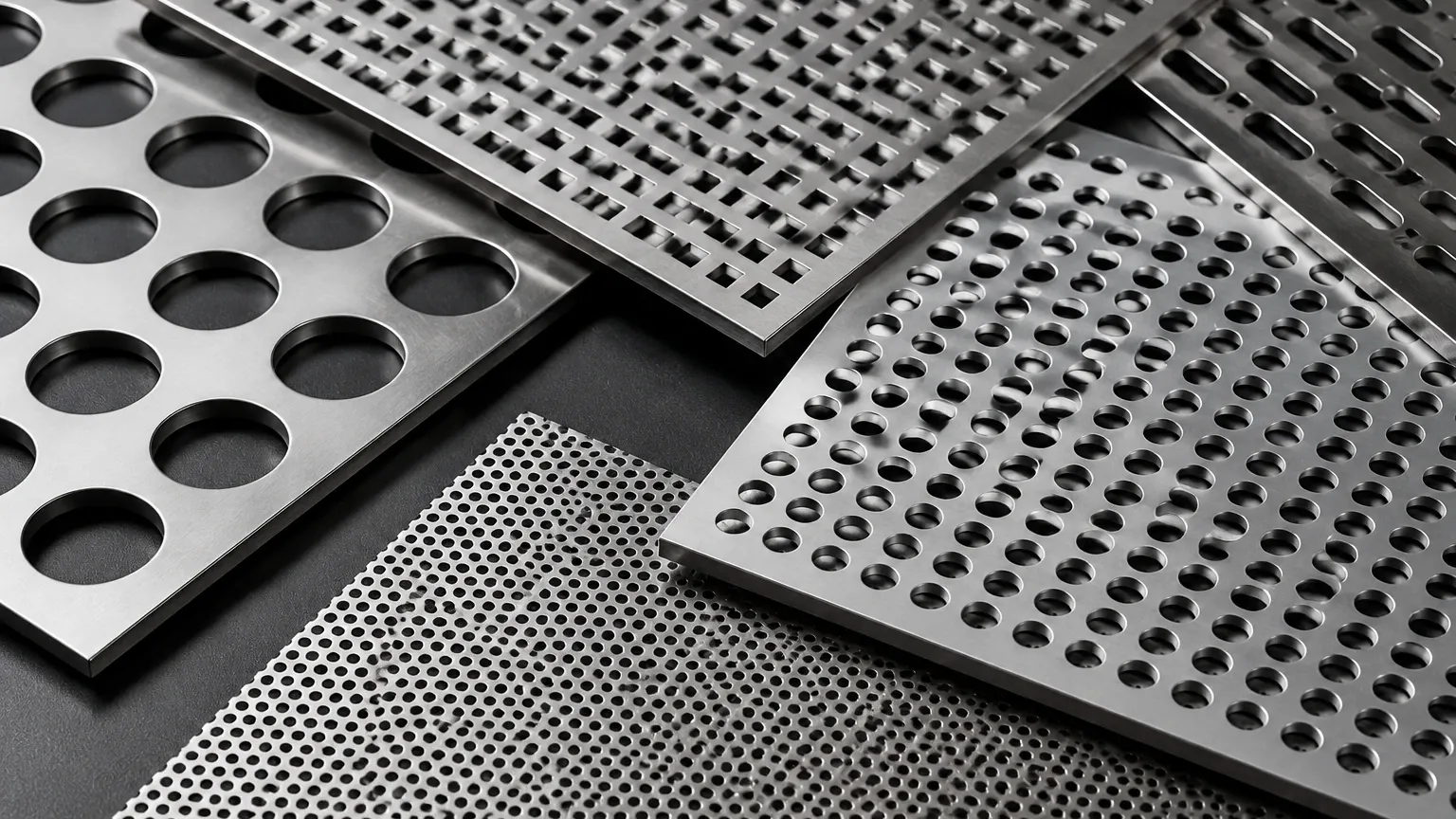
2. Hole Pattern and Pitch: Whether round, square, or slotted, and the distance between hole centers.
3. Margin Requirements: The unperforated areas around the edges of the sheet, which are vital for welding or mounting.
4. Flatness Tolerances: Thicker materials may require leveling after perforation to meet strict assembly tolerances.
Kaifil provides comprehensive OEM support, helping clients navigate these specifications to develop filtration components that are both durable and cost-effective.
Cost Implications of Selecting Specific Thicknesses
In B2B procurement, the total cost of ownership is a vital metric. The thickness of the metal impacts the cost in two primary ways: material weight and processing difficulty.
Material Weight
Metal is typically sold by weight. Increasing the tebal perforated metal from 2mm to 4mm effectively doubles the raw material cost per square meter. For large-scale projects, this can represent a significant capital expenditure. Therefore, over-engineering the thickness is as detrimental to the project's budget as under-engineering is to its safety.
Machining and Tooling Wear
Thicker materials require more powerful presses and result in faster wear on the punching dies. This may lead to higher fabrication surcharges. However, using a thicker, more durable material can lead to longer replacement cycles, reducing the long-term maintenance costs and downtime associated with filter failures.
Why Precision Matters in Industrial Filtration
In the context of Kaifil’s manufacturing expertise, the precision of perforated metal thickness is a foundational element of quality control. Whether the metal is used as a standalone coarse filter or as a support structure for a multi-layered stainless steel mesh cartridge, the consistency of the thickness ensures that the assembly fits perfectly within the filter housing.
Variations in thickness can lead to gaps in the seal or difficulty in welding the longitudinal seams of a filter cylinder. By maintaining strict tolerances on the tebal perforated metal, we ensure that the final product performs reliably under the most demanding industrial conditions.
Conclusion
Selecting the appropriate thickness for perforated metal is a nuanced decision that affects every aspect of an industrial filtration system, from its ability to withstand high pressures to its long-term resistance to corrosion. By understanding the mechanical limits of the punching process and the structural requirements of the specific application, engineers can optimize their designs for both performance and cost.
When evaluating your next project involving Perforated & Expanded Metal, consider the interplay between hole size, material grade, and thickness. For specialized applications requiring custom dimensions and high-performance stainless steel, working with an experienced manufacturer like Kaifil ensures that your filtration components are engineered to exact technical standards. Confirming your thickness requirements early in the design phase will lead to more efficient production, lower maintenance costs, and a more robust industrial solution.
