


Texture Perforated Metal
In the landscape of industrial filtration and structural engineering, texture perforated metal represents a specialized category of materials where the surface geometry and hole patterns are engineered to meet specific functional requirements. Unlike standard perforated sheets used for basic ventilation, texture perforated metal involves precise mechanical configurations that influence fluid dynamics, structural rigidity, and surface interaction. For engineers and procurement professionals, understanding the technical nuances of these materials is essential for optimizing system performance in demanding environments such as chemical processing, pharmaceutical manufacturing, and high-pressure hydraulic systems.
Defining Texture in Industrial Perforated Metal
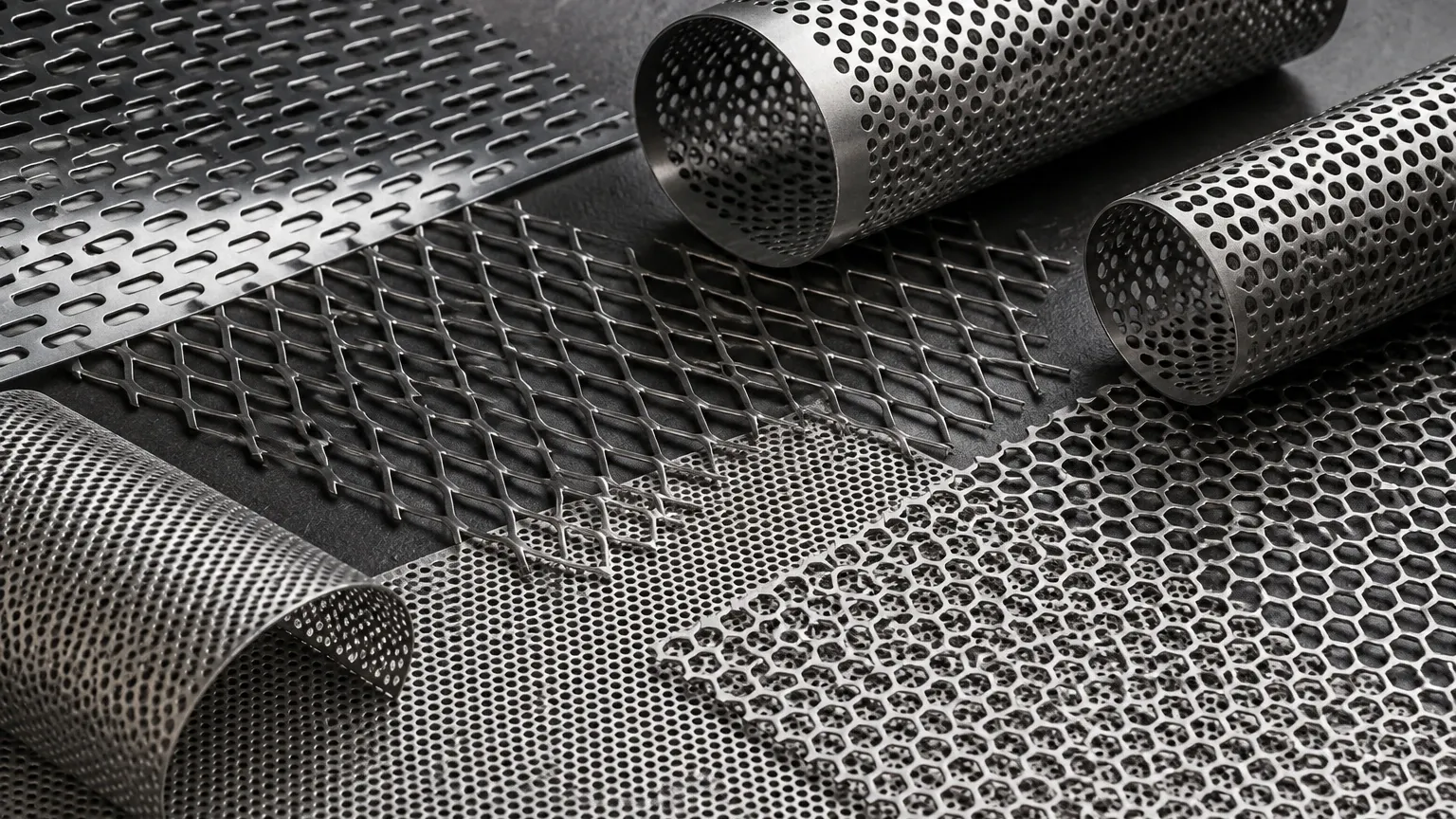
The term "texture" in the context of perforated metal refers to the three-dimensional quality of the sheet surface and the specific arrangement of apertures. While traditional perforation focuses on simple hole-punching, texture perforated metal often incorporates embossed patterns, staggered alignments, or varied hole shapes that create a functional topography. This topography can serve several purposes: increasing the surface area for filtration, providing mechanical grip in industrial flooring, or creating specific turbulence patterns in heat exchange applications.
When evaluating Perforated & Expanded Metal solutions, it is critical to distinguish between aesthetic textures and functional textures. In B2B industrial sectors, functional texture is prioritized for its ability to manage flow resistance and structural load. The manufacturing process involves high-precision CNC punching or laser cutting, followed by secondary processes such as leveling, de-burring, or forming to achieve the desired textural profile. These characteristics ensure that the metal can withstand the rigors of industrial use while maintaining precise filtration tolerances.
Pattern Geometry and Mechanical Performance
The performance of texture perforated metal is fundamentally dictated by its geometric configuration. Engineers must select patterns based on the intended application's mechanical stresses and filtration requirements. Common patterns include:
* Round Hole Staggered: This is the most versatile pattern, offering a high strength-to-weight ratio and consistent flow characteristics. The staggered arrangement provides a "texture" that resists bending in multiple axes.
* Square and Slotted Patterns: These are often used for high-volume flow or for screening materials with specific shapes. Slotted patterns create a directional texture that can assist in the movement of solids across a screen.
* Embossed Perforations: In some applications, the metal around the hole is raised. This creates a high-friction texture perforated metal surface, which is vital for safety platforms or specialized filtration stages where fluid must be diverted or swirled.
Selecting the right pitch (the distance between the centers of adjacent holes) and the bridge (the material remaining between holes) is a balancing act. A smaller bridge increases the open area but reduces the structural integrity of the sheet. Conversely, a larger bridge provides more support but may increase pressure drop in filtration systems. Technical teams must calculate the "open area percentage" to ensure the material meets the flow rate specifications of the project.
Material Engineering: The Role of Stainless Steel
Material selection is the cornerstone of durability for any industrial filtration component. Texture perforated metal is most commonly fabricated from stainless steel due to its inherent resistance to corrosion, oxidation, and mechanical wear. At Kaifil, the focus remains on high-grade alloys that can survive aggressive chemical environments and extreme temperatures.
1. AISI 304 Stainless Steel: This is the standard grade for general industrial use. It offers excellent formability and is resistant to most atmospheric conditions. It is frequently used in food and beverage processing where sanitation is a priority.
2. AISI 316/316L Stainless Steel: Containing molybdenum, this grade provides superior resistance to chlorides and acids. It is the preferred choice for marine environments, pharmaceutical manufacturing, and chemical processing plants where texture perforated metal will be exposed to corrosive agents.
3. Specialty Alloys: For high-temperature applications or highly specialized chemical reactors, materials like Duplex stainless steel or Monel may be used to ensure the perforated structure does not suffer from stress corrosion cracking or pitting.
The choice of material also affects the "punchability" and the resulting texture. Harder alloys may require specialized tooling to prevent edge deformation, ensuring that the apertures remain precise and the surface texture remains consistent across the entire production run.
Calculating Open Area for Filtration Efficiency
In filtration and separation, the open area is the most critical technical metric. It determines the flow capacity and the pressure drop across the texture perforated metal screen. The calculation varies depending on the pattern geometry:
* For Round Holes (Staggered 60°): The formula is typically (D² x 90.69) / P², where D is the hole diameter and P is the pitch. This pattern provides the most uniform distribution of stress and flow.
* For Square Holes: The formula is (D² x 100) / P². This provides a higher open area but may compromise the structural stability of the sheet under high-pressure pulses.
When designing a system, engineers must consider the "effective filtration area." In many cases, texture perforated metal serves as a support structure for finer wire mesh or as a primary coarse filter. If the texture is too restrictive, it can lead to cavitation in pumps or mechanical failure of the filter housing due to excessive differential pressure. Therefore, confirming the precise open area during the design phase is a mandatory step for technical procurement teams.
Manufacturing Precision and Customization Options
Standard off-the-shelf perforated sheets rarely meet the exacting needs of specialized industrial equipment. Customization is often required to integrate the texture perforated metal into existing assemblies. Key customization parameters include:
* Margin Specifications: Industrial filters often require "blank margins" (unperforated areas) along the edges to facilitate welding or mechanical fastening into a frame or cartridge. Precise margin control ensures that the structural integrity of the filter housing is maintained.
* Forming and Shaping: Perforated sheets can be rolled into cylinders for filter cartridges, pleated for increased surface area, or formed into conical shapes for basket strainers. The texture must remain uniform even after these forming processes.
* Surface Finishing: To enhance performance and longevity, various finishes can be applied. Electropolishing is common in the pharmaceutical and food industries to remove microscopic burrs and create a smooth, passive surface that resists bacterial growth. For abrasive environments, specialized coatings can be applied to the texture perforated metal to extend its service life.
Kaifil’s manufacturing capabilities allow for the production of precision metal filter components that adhere to tight tolerances, ensuring that every custom component fits seamlessly into the client's industrial process.
Installation and Maintenance Protocols for Industrial Systems
The longevity of texture perforated metal components depends significantly on correct installation and a rigorous maintenance schedule. Because these materials often operate in high-load or high-flow environments, mechanical fatigue is a potential risk.
Installation Considerations:
* Orientation: In many texture patterns, the direction of the staggered holes or the orientation of the slots can affect flow efficiency. Installation must align with the engineering drawings to ensure the fluid dynamics match the design intent.
* Support Structures: While perforated metal is inherently strong, large spans may require additional support ribs to prevent sagging or vibration-induced cracking.
Maintenance and Cleaning:
* Cleaning Cycles: Texture perforated metal used in filtration will eventually accumulate debris. Depending on the texture, materials may be cleaned via backwashing, ultrasonic cleaning, or chemical soaking. The material's chemical compatibility with cleaning agents must be verified beforehand.
* Inspection for Wear: Regular inspections should look for signs of erosion around the hole edges, which can change the filtration rating, or stress fractures in the bridges between perforations. Early detection of these issues prevents catastrophic system failure and reduces the total cost of ownership.
Conclusion: Selecting the Right Solution
Texture perforated metal is a sophisticated engineering material that bridges the gap between structural support and high-performance filtration. By selecting the appropriate material grade, hole pattern, and open area, engineers can significantly improve the efficiency and reliability of their industrial systems. Whether the application involves chemical separation, food processing, or hydraulic protection, the technical specifications of the perforated media must be the primary driver of the procurement process.
For technical teams looking to integrate these components into their projects, working with a manufacturer that understands the complexities of Perforated & Expanded Metal is vital. Precision in manufacturing, coupled with an understanding of industrial application requirements, ensures that the final product delivers the durability and performance expected in demanding B2B environments.
