


Perforated Metal Vent Cover
In industrial engineering and facility management, ventilation systems are critical for maintaining air quality, regulating temperature, and ensuring the safe operation of machinery. A perforated metal vent cover serves as the primary interface between the internal environment of a machine or building and the external atmosphere. Unlike standard plastic or light-duty mesh alternatives, industrial-grade metal vent covers are engineered to withstand harsh environments while providing precise control over airflow and protection.
Selecting the right Perforated & Expanded Metal solution requires a deep understanding of material properties, hole patterns, and structural requirements. This guide examines the technical considerations essential for engineers and purchasing teams when specifying perforated metal vent covers for industrial applications.
Understanding the Engineering of Perforated Metal Vent Covers
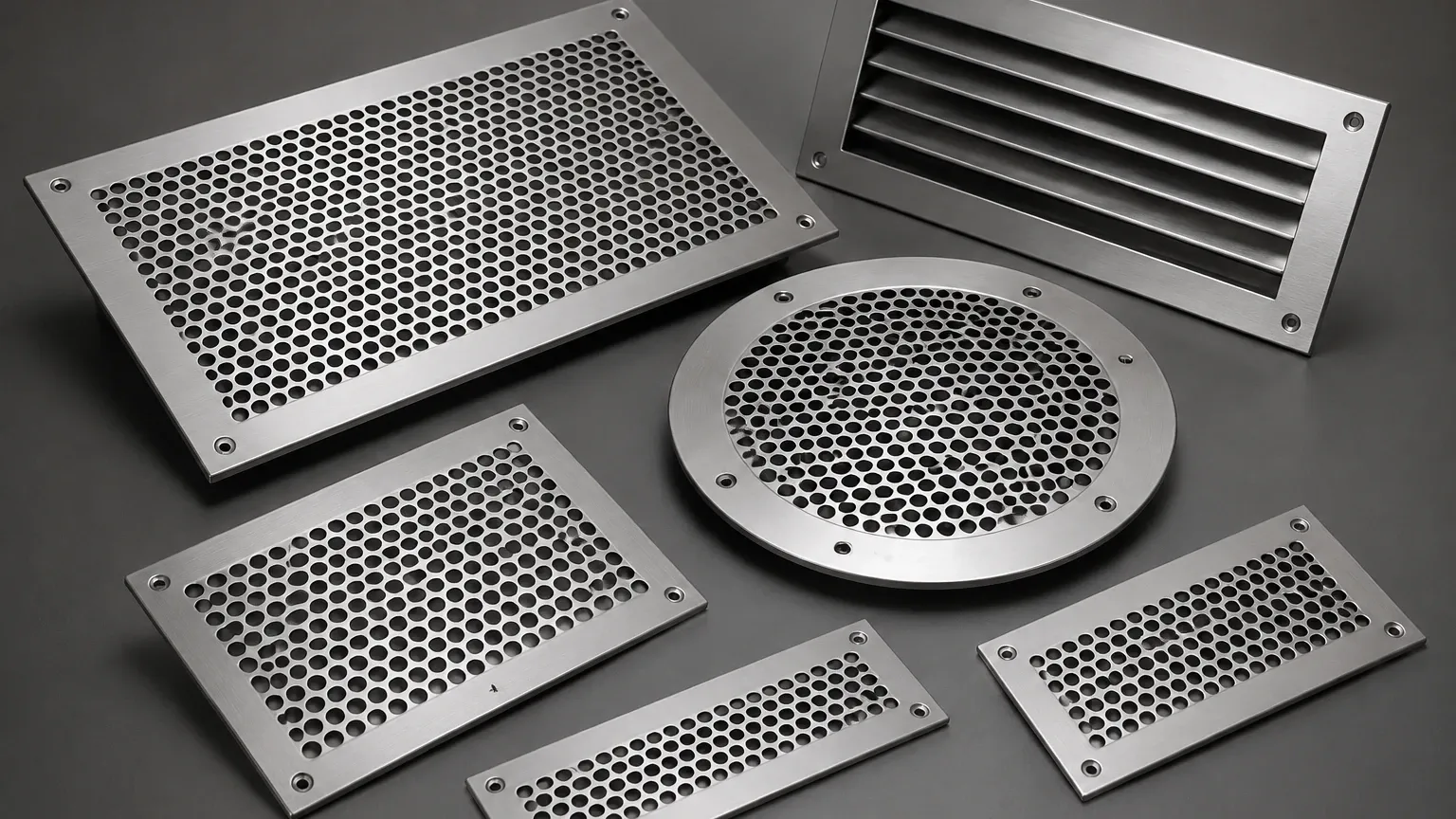
A perforated metal vent cover is a sheet of metal that has been mechanically stamped or punched to create a pattern of holes, slots, or decorative shapes. In B2B and industrial contexts, these covers are not merely aesthetic; they are functional components designed to meet specific airflow (CFM) requirements while preventing the ingress of debris, pests, or unauthorized fingers into moving parts.
The manufacturing process involves high-speed punching presses that can handle various gauges of metal. For filtration and ventilation specialists like Kaifil, the precision of these perforations is paramount. The accuracy of the hole size and the "pitch" (the distance between the centers of adjacent holes) determines the "open area" percentage, which is the most critical metric for any ventilation component.
Material Selection for Industrial Environments
The choice of material for a perforated metal vent cover directly impacts its service life, corrosion resistance, and structural integrity. Industrial applications often demand materials that can survive exposure to chemicals, moisture, and extreme temperatures.
Stainless Steel (304 and 316)
Stainless steel is the gold standard for industrial ventilation. Grade 304 offers excellent corrosion resistance for most indoor and light outdoor applications. However, for chemical processing plants, marine environments, or pharmaceutical facilities, Grade 316 is preferred due to its added molybdenum content, which provides superior resistance to chlorides and acidic environments. Stainless steel vent covers are also easy to sanitize, making them ideal for the food and beverage industry.
Aluminum
Aluminum is favored for its high strength-to-weight ratio and natural resistance to atmospheric corrosion. It is an excellent choice for HVAC systems in large-scale commercial buildings or weight-sensitive machinery. While not as hard as stainless steel, aluminum can be anodized to increase surface hardness and provide additional environmental protection.
Carbon Steel and Galvanized Steel
For applications where cost is a primary driver and the environment is relatively dry, carbon steel is a viable option. To prevent rust, these covers are often galvanized (coated in zinc) or powder-coated. Galvanized perforated metal is frequently used in heavy industrial equipment where ruggedness is required at a lower price point than stainless steel.
Key Design Parameters: Airflow and Open Area
When an engineer specifies a perforated metal vent cover, the most important calculation is the percentage of open area. This figure represents the total area of the holes divided by the total area of the sheet.
If the open area is too small, the vent cover will act as a restriction, causing backpressure in the HVAC system or overheating in electronic enclosures. If the open area is too large, the structural integrity of the cover may be compromised, or it may fail to block specific contaminants. Common configurations include:
* Round Holes (60-degree staggered): This is the most popular pattern due to its inherent strength and high open area potential (up to 79%). It provides uniform airflow and is the most cost-effective to manufacture.
* Square Holes: Square patterns offer a higher open area than round holes of the same diameter but have lower structural rigidity. They are often used when a modern aesthetic or maximum airflow is required.
* Slotted Holes: Slotted perforations are ideal for applications involving the movement of bulky materials or where specific directional airflow is needed. They are common in drying racks and certain types of industrial strainers.
Perforated vs. Expanded Metal for Ventilation
While perforated metal is created by punching holes out of a solid sheet, expanded metal is produced by slitting and stretching the material simultaneously. Both are types of Perforated & Expanded Metal used in ventilation, but they offer different performance characteristics.
Expanded metal is often more cost-effective because the process involves no waste (no metal is punched out). It creates a diamond-shaped pattern that is naturally rigid and provides a three-dimensional surface that can deflect light or rain. However, perforated metal is generally preferred for high-precision ventilation because it allows for exact control over hole size and placement, which is necessary for calculating precise pressure drops in sophisticated air handling units.
Customization and OEM Capabilities
Standard off-the-shelf vent covers rarely meet the specific needs of complex industrial machinery. Customization is often necessary to ensure a perfect fit and optimal performance. Professional manufacturers like Kaifil provide OEM services that include:
1. Custom Dimensions: Tailoring the length, width, and thickness to fit existing ductwork or machine housings.
2. Margins and Blank Areas: Designing the cover with solid metal borders (margins) to facilitate easier welding or bolting without damaging the perforated pattern.
3. Forming and Fabrication: Bending the perforated sheet into L-shapes, U-shapes, or cylinders to create 3D vent covers or protective shrouds.
4. Bolt Hole Integration: Pre-drilling mounting holes based on the customer’s CAD drawings to reduce installation time on the assembly line.
5. Surface Finishing: Options such as electropolishing for stainless steel (to improve hygiene and corrosion resistance) or specialized powder coatings for color-coding and UV protection.
Performance Evaluation and Selection Criteria
Before finalizing a purchase order for a perforated metal vent cover, technical teams should evaluate the following criteria to ensure the component is fit for purpose:
Structural Integrity and Gauge
The thickness of the metal (gauge) must be sufficient to withstand the physical demands of the environment. In high-traffic areas, a vent cover might be stepped on or hit by equipment. In these cases, a heavier gauge stainless steel is required. Conversely, for a small electronic vent, a thin gauge aluminum might suffice.
Acoustic Properties
In HVAC applications, the passage of air through a perforated screen can generate noise. Engineers must consider the "velocity of air" through the holes. Generally, larger holes and a higher open area percentage result in lower noise levels. If noise reduction is a priority, specific hole patterns can be engineered to dampen sound waves.
Filtration and Protection Levels
If the vent cover is also intended to act as a primary filter (e.g., keeping out insects or large dust particles), the hole size must be smaller than the smallest object intended to be blocked. For finer filtration, a perforated metal plate can serve as a support structure for a fine wire mesh layer.
Maintenance and Longevity in Demanding Applications
Industrial vent covers are subject to the buildup of dust, grease, and environmental pollutants. If left unmaintained, this buildup reduces the open area, leading to system inefficiency.
* Cleaning Cycles: In food processing or chemical plants, vent covers should be designed for easy removal and cleaning. Stainless steel covers are particularly advantageous here as they can withstand high-pressure washing and harsh cleaning agents.
* Inspection for Fatigue: Over years of operation, constant vibration from machinery can cause stress cracks in the metal bridges between the perforations. Selecting a staggered hole pattern helps distribute these stresses more evenly than a straight-line pattern.
* Corrosion Monitoring: Even stainless steel can show signs of tea-staining or pitting in extreme environments. Regular inspections ensure that the structural integrity of the vent remains intact, preventing unexpected failures.
Conclusion
A perforated metal vent cover is a vital component in the ecosystem of industrial filtration and ventilation. By selecting the appropriate material, optimizing the open area for airflow, and leveraging custom manufacturing capabilities, engineers can significantly improve the efficiency and safety of their operations.
Whether the application involves protecting sensitive electronics in a telecommunications cabinet or ensuring proper air exchange in a chemical reactor, the quality of the Perforated & Expanded Metal used is the determining factor in long-term performance. Working with an experienced manufacturer like Kaifil ensures that every design parameter—from material grade to hole pitch—is precisely aligned with the technical requirements of the project, delivering a reliable solution that minimizes maintenance and maximizes equipment uptime.
