


Perforated Metal White
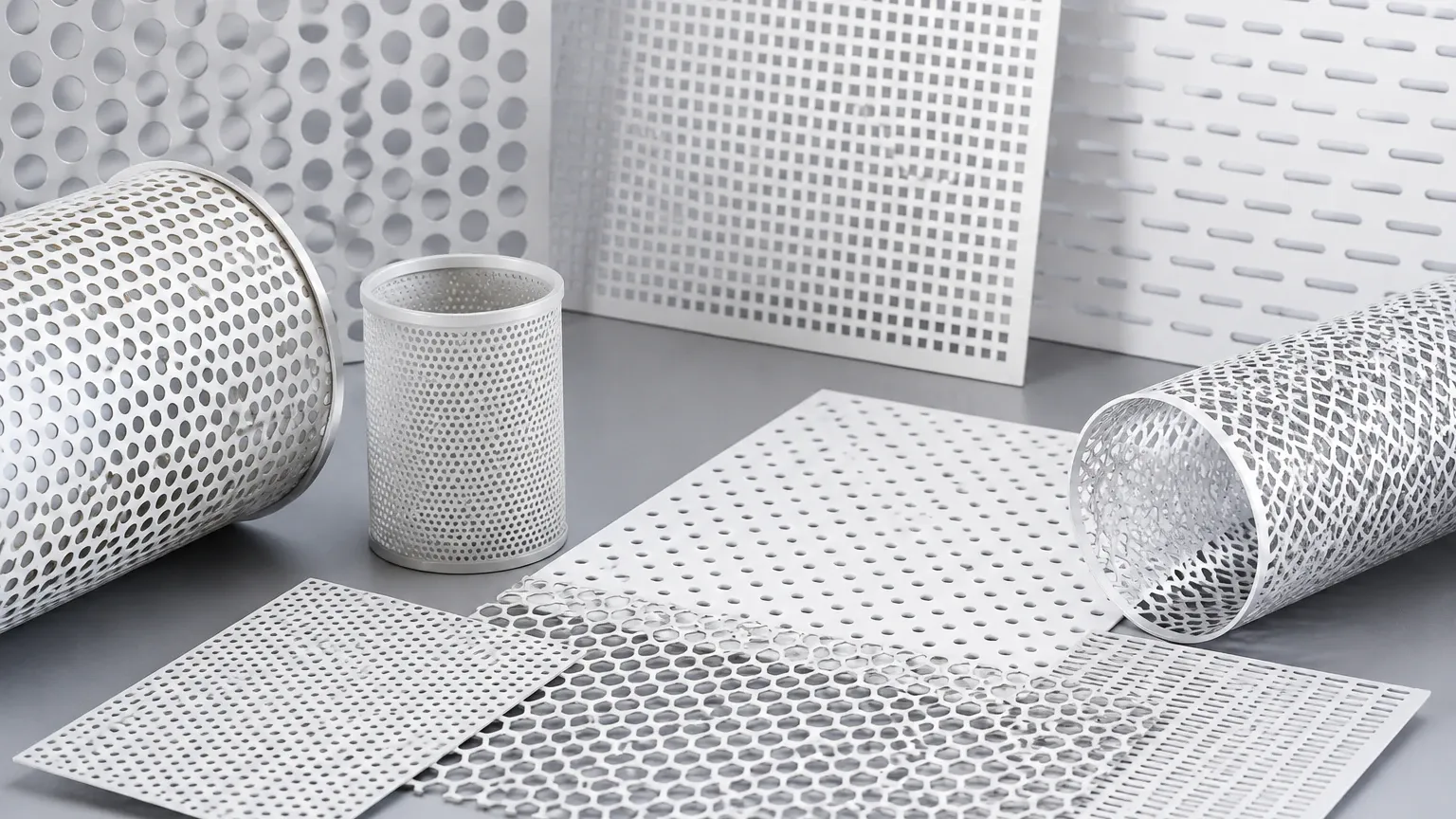
In industrial engineering and filtration design, the selection of materials often extends beyond structural integrity to include surface finish and environmental compatibility. Perforated metal white refers to perforated metal sheets or components—typically manufactured from stainless steel, aluminum, or carbon steel—that have been treated with a high-durability white coating. While frequently associated with architectural aesthetics, the choice of a white finish in industrial contexts such as chemical processing, food production, and cleanroom environments is driven by functional requirements including visibility, hygiene, and thermal regulation.
When specifying Perforated & Expanded Metal with a white finish, engineers must account for how the coating thickness affects the final aperture size and filtration efficiency. This guide examines the technical considerations, material substrates, and application-specific benefits of perforated metal white from an industrial manufacturing perspective.
Understanding the Substrates and Coating Processes
The performance of perforated metal white is fundamentally dependent on the underlying substrate and the method used to apply the finish. Because the perforation process involves shearing and punching metal, the resulting edges are raw and susceptible to corrosion if not properly treated.
Material Selection
1. Stainless Steel (304/316): Often used in pharmaceutical and food-grade applications. While stainless steel is naturally corrosion-resistant, a white coating may be applied for color-coding in complex systems or to meet specific light-reflectance standards in laboratory settings.
2. Carbon Steel: This is the most common substrate for white-coated perforated metal in dry industrial environments. The white coating, usually a powder-coated finish, provides the necessary barrier against oxidation that raw carbon steel lacks.
3. Aluminum: Preferred for lightweight applications or environments where moisture is a concern. Aluminum substrates with white PVDF (Polyvinylidene Fluoride) coatings offer exceptional UV resistance and durability.
Coating Technologies
The most prevalent method for achieving a "perforated metal white" finish is electrostatic powder coating. In this process, dry powder is applied to the metal and then cured under heat to form a hard, continuous skin. Unlike liquid paint, powder coating provides superior coverage on the inner edges of the perforations, ensuring that the entire surface area is protected from the elements. For high-performance industrial use, PVDF coatings are also utilized, particularly when the component will be exposed to harsh chemicals or extreme weather.
Engineering Specifications: Hole Patterns and Open Area
One of the most critical aspects of designing perforated metal white components is the calculation of the open area. The open area determines the flow rate of air, liquid, or light through the panel. When a coating is applied, the effective diameter of each hole decreases.
Calculation Adjustments
If an engineer specifies a 5.0mm round hole with a 60-degree staggered pitch, the initial punch size is calculated based on the raw metal. However, a standard industrial powder coating can add between 60 to 120 microns of thickness to the surface. Since the coating accumulates on the inner circumference of the hole, the final aperture may be reduced by as much as 0.2mm. In high-precision filtration applications, this reduction must be compensated for during the initial perforation stage to ensure that the required flow characteristics are maintained.
Common Patterns
* Round Holes: The most versatile and structurally sound pattern, offering the best balance between open area and sheet strength.
* Square Holes: Often used when a higher open area is required, though they may be more prone to stress concentrations at the corners.
* Slotted Holes: Frequently utilized in sorting and sifting applications where the white finish helps in visual inspection of the material being processed.
Industrial Applications and Functional Benefits
Beyond simple aesthetics, perforated metal white serves several critical functions across various industrial sectors. The color choice is often a strategic decision based on the operational environment.
Food and Beverage Processing
In food production facilities, hygiene is paramount. White surfaces are preferred because they make the detection of contaminants, dust, or biological buildup significantly easier during routine inspections. Perforated screens used in drying or sorting processes are often finished in white to comply with sanitary design principles, ensuring that any deviation from cleanliness is immediately visible to quality control personnel.
HVAC and Air Filtration
Perforated metal white is a standard in cleanroom air diffusers and HVAC grilles. The white finish reflects light, contributing to the overall brightness of the workspace without requiring additional lighting fixtures. Furthermore, the smooth, non-porous nature of the powder-coated white surface prevents the accumulation of particulate matter and allows for easier sterilization compared to raw or brushed metal surfaces.
Heat Reflection and Thermal Management
In outdoor industrial enclosures or protective housings for sensitive electronic equipment, white is chosen for its high Albedo effect. A white perforated panel reflects a significant portion of solar radiation, reducing the thermal load on the internal components. This is particularly important for Perforated & Expanded Metal used as sunshades or protective screens for outdoor machinery.
Selection Criteria for Engineers and Purchasing Teams
When sourcing perforated metal white, purchasing teams and engineers should evaluate several technical factors to ensure the product meets the long-term demands of the application. Total cost of ownership is often influenced more by the quality of the finish and the substrate than by the initial purchase price.
Coating Adhesion and Durability
In environments subject to vibration or mechanical impact, the adhesion of the white coating is vital. Poorly applied coatings can chip or delaminate, leading to two major risks: the introduction of coating flakes into the process stream (a critical failure in food or pharma) and the exposure of the underlying metal to corrosion. Specifying a cross-hatch adhesion test (ASTM D3359) can help verify the quality of the finish.
Chemical Compatibility
If the perforated component will be cleaned with caustic agents or exposed to industrial solvents, the white finish must be chemically resistant. Epoxy-based powders offer excellent hardness but may chalk under UV exposure, whereas polyester or PVDF coatings provide better resistance to environmental degradation and chemical cleaning cycles.
Tolerance and Precision
Industrial filtration often requires tight tolerances. It is essential to confirm whether the manufacturer measures tolerances before or after the coating process. For components integrated into complex assemblies, the added thickness of the white coating can affect fitment, especially in slide-in tracks or gasketed frames.
Maintenance and Replacement Cycles
While perforated metal white is designed for durability, its maintenance requirements differ from those of unfinished stainless steel. To preserve the integrity of the white finish and the functionality of the perforations, a structured maintenance schedule is recommended.
1. Cleaning Protocols: Use pH-neutral cleaners and soft brushes. Abrasive cleaning tools or highly acidic/alkaline chemicals can dull the white finish and eventually erode the protective layer.
2. Inspection for Wear: Regular visual inspections should focus on the edges of the holes, as these are the areas most susceptible to coating wear. In filtration applications, checking for "blinding" or clogging of the holes is essential, as the white background can sometimes mask clear-colored residues.
3. Replacement Indicators: If the coating begins to show signs of yellowing (indicating thermal degradation) or cracking, the component should be evaluated for replacement to prevent contamination risks.
Customization and OEM Solutions
Manufacturing custom perforated metal white components requires a deep understanding of both metallurgy and coating technology. At Kaifil, the production process is integrated to ensure that the perforation pattern and the final finish work in harmony.
Customization options include:
* Variable Pitch and Pattern: Designing specific hole layouts to manage pressure drops across a filter or screen.
* Custom White Shades: Matching specific RAL or Pantone white shades for brand consistency or specific light-reflectance requirements.
* Post-Perforation Treatment: Ensuring all burrs are removed before coating to provide a smooth, snag-free surface that is essential for both safety and flow efficiency.
By working closely with a manufacturer that understands the nuances of Perforated & Expanded Metal, engineering teams can develop solutions that balance the clean appearance of a white finish with the rigorous performance standards of industrial filtration and protective screening. Whether for a food-grade sorting tray or a high-efficiency air diffuser, the technical execution of the perforation and the coating process determines the ultimate reliability of the component in the field.
