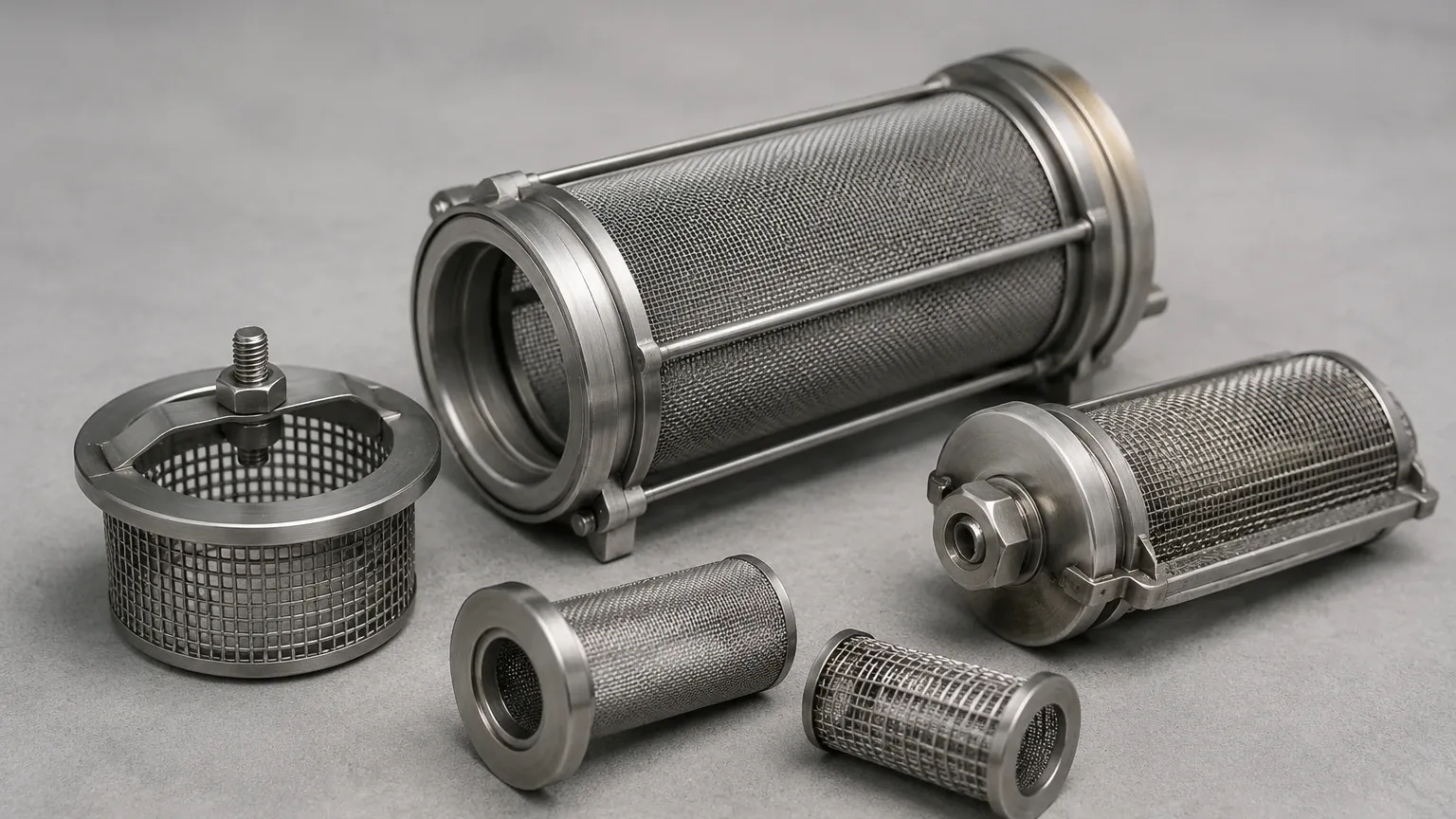
Strainers for Electric Fence
In the realm of perimeter security and livestock management, the structural integrity of an electric fence is entirely dependent on the consistent tension of its conductive wires. To achieve this, engineers and facility managers rely on specialized mechanical components known as strainers. While the term "strainer" in many industrial contexts refers to filtration components, in the field of fencing and wire management, it describes the tensioning devices used to eliminate slack and ensure the system remains effective over long distances and varying temperatures. High-quality strainers for electric fence applications are essential for maintaining both the physical barrier and the electrical continuity required for modern security and containment.
The Engineering Necessity of Wire Tensioning
Wire tension is not merely a matter of aesthetics; it is a critical performance parameter. An electric fence works by delivering a high-voltage, low-amperage shock to any object that completes the circuit between the wire and the ground. If the wire is slack, it can sway in the wind, leading to mechanical fatigue, or it can come into contact with vegetation or the ground, causing a short circuit that drains the energizer's power.
Strainers for electric fence systems solve these issues by providing a controlled method to pull the wire taut. This tensioning serves several engineering purposes:
1. Compensation for Thermal Expansion: Metal wires expand and contract with temperature fluctuations. Without a strainer, a wire that is tight in the winter will sag significantly in the summer heat.
2. Load Distribution: Properly tensioned wires distribute the impact load of an animal or intruder more effectively across the fence posts, reducing the risk of structural failure.
3. Electrical Efficiency: Maintaining a consistent distance between wires and preventing contact with non-conductive surfaces ensures the electrical pulse travels efficiently across the entire perimeter.
Material Selection: The Role of Stainless Steel and Alloys
When selecting components for outdoor infrastructure, material science is the primary determinant of the total cost of ownership. Because electric fences are exposed to the elements 24/7, corrosion resistance is non-negotiable. This is where the expertise involved in manufacturing industrial Strainers & Baskets translates directly to fencing components.
Most high-performance strainers are manufactured from galvanized steel, aluminum, or stainless steel. For industrial facilities or coastal environments where salt spray and chemical pollutants are present, stainless steel is the preferred choice. Stainless steel 304 or 316 provides superior resistance to oxidation and electrolytic corrosion, which can occur when different metals are used in the same electrical circuit.
Precision manufacturing is required to ensure that the ratchet mechanisms and locking pins within the strainer do not seize over time. A failure in the mechanical assembly of a strainer can lead to a sudden loss of tension, compromising the entire security perimeter. Therefore, sourcing components from manufacturers with experience in precision metal filtration and mechanical assemblies ensures that the tolerances and material grades meet industrial standards.
Types of Strainers for Electric Fence Systems
There are several designs of strainers, each suited for specific installation requirements and wire types. Understanding these variations is crucial for engineering a reliable fence system.
1. Ratchet Strainers (In-Line)
Ratchet strainers are the most common type used in permanent electric fencing. They consist of a spool and a ratchet-and-pawl mechanism. The wire is threaded through the spool, and a handle or wrench is used to turn the spool, winding the wire until the desired tension is reached. The pawl then locks the spool in place. These are typically installed "in-line," meaning they are placed along the span of the wire rather than at the posts.
2. End-Post Strainers
As the name suggests, these are mounted directly to the terminal or corner posts of a fence. They are designed to handle the highest levels of tension, as they act as the anchor points for long runs of wire. These often require heavy-duty bolts and reinforced frames to prevent the post from leaning under the constant pull of the wire.
3. Spring-Loaded Tensioners
While not a strainer in the traditional sense, spring tensioners are often used in conjunction with strainers for electric fence setups. The spring acts as a shock absorber and a visual indicator of tension. By measuring the compression of the spring, an engineer can determine exactly how many Newtons of force are being applied to the wire, allowing for precise calibration across the entire system.
Mechanical Evaluation and Load Capacity
When specifying strainers for an industrial or high-security project, engineers must calculate the expected load. This includes the static tension required for the wire type (e.g., high-tensile steel wire usually requires approximately 100-150 kg of tension) and the dynamic loads caused by wind, snow, or physical impact.
High-quality strainers are rated based on their breaking strain. A common failure point in lower-grade components is the spindle or the locking pin. In a professional B2B context, it is advisable to select strainers that exceed the wire's breaking strength. This ensures that in the event of an extreme impact, the wire breaks before the strainer mechanism is destroyed, making repairs faster and more cost-effective.
Furthermore, the diameter of the spool in the strainer matters. A spool that is too small can cause excessive bending stress on the wire, leading to work-hardening and eventual brittle failure. Precision-engineered strainers feature smooth, rounded internal surfaces to protect the integrity of the wire's galvanization or coating.
Installation Best Practices for Long-Term Reliability
Proper installation is as important as component selection. For facility managers overseeing large-scale installations, the following technical guidelines should be followed:
* Strategic Placement: In-line strainers should be placed in the middle of a long run rather than near a post. This allows for more even tension distribution on both sides of the device.
* Avoid Over-Tensioning: One of the most common mistakes is over-tightening the wire. This puts unnecessary stress on corner posts and can lead to the wire snapping during cold snaps when the metal contracts. Use tension indicators or spring-loaded components to verify the load.
* Insulation Integrity: Since these strainers are metal and are in direct contact with the live wire, they must be isolated from the fence posts (if the posts are conductive) using high-strain insulators. The insulation must be rated for the peak voltage of the energizer, often exceeding 10,000V.
* Regular Calibration: Tension should be checked at least twice a year—once before the peak of summer and once before the peak of winter. This proactive maintenance prevents sagging and reduces the risk of mechanical failure.
The Intersection of Filtration and Tensioning Engineering
While the primary function of industrial Strainers & Baskets is the removal of particulates from fluid streams, the manufacturing principles remain the same: precision, durability, and material integrity. A manufacturer capable of producing high-accuracy stainless steel mesh and filter housings possesses the technical infrastructure to produce fence strainers that withstand corrosive environments and high mechanical stress.
For engineers, the common thread is the reliance on high-grade alloys and exact tolerances. Whether a component is filtering a chemical catalyst or maintaining the tension on a 5-kilometer security fence, the failure of a single metal part can lead to system-wide downtime. Sourcing from manufacturers who understand the nuances of stainless steel fabrication ensures that the components will not rust, seize, or deform under pressure.
Conclusion: Confirming Technical Requirements
Before purchasing strainers for electric fence projects, procurement teams and engineers should confirm several key factors with their suppliers:
1. Material Grade: Is the component 304 or 316 stainless steel, or is it hot-dip galvanized?
2. Max Load Rating: What is the maximum tension the ratchet mechanism can sustain before deformation?
3. Wire Compatibility: Is the strainer designed for high-tensile wire, poly-wire, or braided cable?
4. Corrosion Resistance: Has the component undergone salt spray testing for outdoor longevity?
By focusing on these technical specifications rather than just the initial purchase price, organizations can ensure their perimeter security systems remain functional for decades. The use of high-quality strainers is a small but vital investment in the overall reliability of industrial and agricultural infrastructure.