


Fencing Wire Strainers
In the realm of industrial containment and perimeter security, the structural integrity of a wire fence is entirely dependent on the tension of the wire. Fencing wire strainers are the mechanical components designed to apply and maintain this tension, ensuring that the fence remains effective against physical impact, environmental stressors, and the natural tendency of metal to elongate over time. For engineers and procurement specialists, selecting the correct fencing wire strainers involves a deep understanding of metallurgy, mechanical load capacities, and the specific environmental conditions of the installation site.
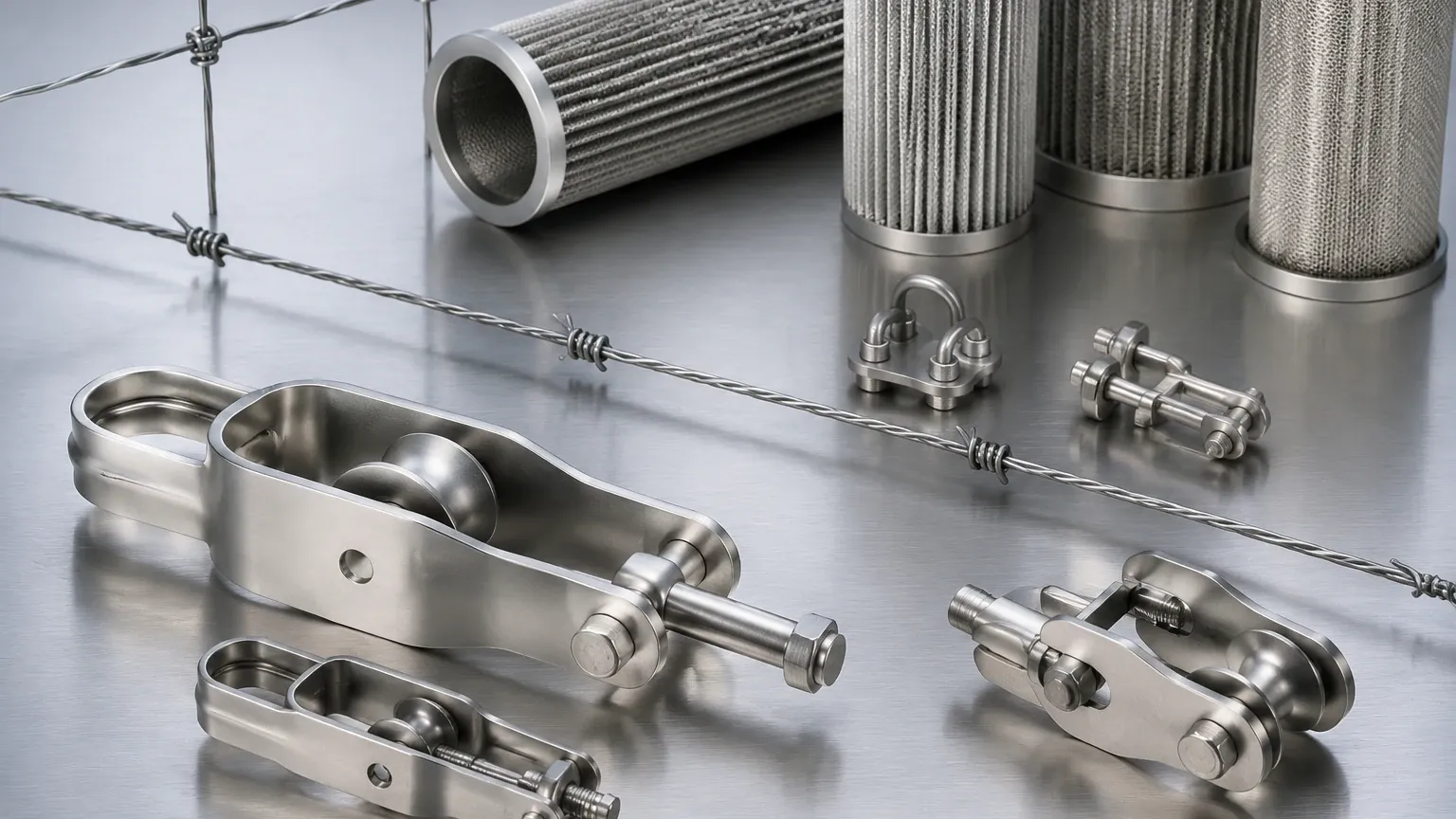
While the term "strainer" is frequently associated with fluid filtration systems, in the context of fencing, it refers to a tensioning device. However, the engineering principles—such as material durability, resistance to corrosion, and the ability to withstand high pressure—remain consistent with high-performance Strainers & Baskets used in industrial processing. This article provides a technical overview of fencing wire strainers, their mechanical variations, and the criteria necessary for professional selection.
Understanding the Role of Fencing Wire Strainers in Industrial Infrastructure
The primary function of a fencing wire strainer is to take up the slack in a wire line and provide a mechanism for periodic adjustment. Without proper tensioning, wire fences sag, lose their structural rigidity, and become susceptible to failure. In industrial applications, such as securing chemical plants, power substations, or large-scale agricultural facilities, the failure of a fence line can lead to significant security breaches or safety hazards.
Fencing wire strainers are typically installed at the end of a fence run (end-post strainers) or mid-way through a long stretch of wire (in-line strainers). The mechanics of the device allow the user to tighten the wire using a wrench or a specialized handle, locking it into place once the desired tension is achieved. This tension is critical for high-tensile wire, which relies on its elastic properties to absorb impact without permanent deformation.
Mechanical Design and Tensioning Principles
There are several distinct designs of fencing wire strainers, each suited to different wire types and installation requirements. Understanding these mechanical differences is essential for ensuring long-term performance.
Ratchet-Style Strainers
Ratchet strainers are among the most common in industrial and agricultural settings. They consist of a frame and a rotating spool equipped with a ratchet and pawl mechanism. The wire is threaded through a hole in the spool, and as the spool is turned, the wire wraps around it, increasing tension. The pawl locks into the teeth of the ratchet, preventing the spool from unwinding. These are favored for their ease of adjustment and high load-bearing capacity.
Bolt-and-Nut (Wind-Up) Strainers
These strainers utilize a threaded bolt to pull a tensioning bracket. They are often used in permanent installations where a high degree of precision is required. While they may take longer to install than ratchet types, they offer a very secure lock that is less prone to tampering or accidental release.
In-Line Wire Strainers
In-line fencing wire strainers are designed to be placed anywhere along the length of the wire without cutting it. This is particularly useful for retrofitting existing fences that have lost tension over time. They typically use a spring-loaded or cam-lock mechanism to grip the wire and allow for incremental tightening.
Material Selection: Evaluating Corrosion Resistance and Load Capacity
The longevity of a fencing system is largely dictated by the materials used in its components. Fencing wire strainers are exposed to the elements 24/7, making corrosion resistance a primary engineering concern.
Galvanized Steel
Most standard fencing strainers are made from hot-dipped galvanized steel. The zinc coating provides a sacrificial layer that protects the underlying steel from oxidation. For inland environments with low humidity, galvanized components offer a cost-effective solution with a reasonable service life. However, in industrial zones with high chemical exposure or coastal areas with salt spray, galvanization may fail prematurely.
Stainless Steel (Grade 304 and 316)
For demanding industrial environments, stainless steel is the preferred material. Grade 304 provides excellent durability, but for maximum corrosion resistance, Grade 316 is recommended. Grade 316 contains molybdenum, which significantly enhances its resistance to pitting and crevice corrosion in chloride-rich environments. Just as stainless steel is the standard for high-durability Strainers & Baskets in chemical processing, it is also the gold standard for critical fencing infrastructure.
Aluminum and Die-Cast Alloys
Some light-duty strainers are made from aluminum or die-cast zinc alloys. While these are lightweight and naturally resistant to rust, they generally lack the tensile strength required for high-tensile industrial fencing. They are more prone to mechanical failure under extreme loads or temperature fluctuations.
Critical Engineering Considerations for Selection
When specifying fencing wire strainers for a project, engineers must consider several technical variables to ensure the system meets safety and performance standards.
1. Breaking Strain and Working Load: Every strainer has a rated breaking strain. It is vital to select a component that exceeds the maximum tension the wire will exert, including additional loads from wind, snow, or potential impacts.
2. Wire Gauge Compatibility: The spool or gripping mechanism must be compatible with the diameter (gauge) of the wire being used. Using a strainer designed for thin wire on a heavy-gauge cable can lead to slipping or mechanical damage to the wire itself.
3. Environmental Factors: Consider the pH of the soil, the presence of industrial pollutants, and the proximity to the ocean. These factors will dictate whether galvanized steel is sufficient or if stainless steel is mandatory.
4. Tensioning Frequency: In areas with high temperature swings, wire expands and contracts significantly. Selecting a strainer that allows for easy, tool-assisted adjustment is necessary for maintaining consistent tension throughout the seasons.
Installation Best Practices and Maintenance Cycles
Proper installation is as important as the quality of the component itself. Fencing wire strainers should be installed at heights that allow for easy access for maintenance. For long fence runs (exceeding 200 meters), it is often recommended to install an in-line strainer at the midpoint to ensure tension is distributed evenly across the entire length.
Maintenance Protocols
Industrial maintenance schedules should include a periodic inspection of all tensioning points. Over time, wire can undergo "creep"—a slow, permanent elongation under constant stress.
* Annual Tension Check: Using a tension gauge to ensure the wire remains within its optimal range.
* Lubrication: For ratchet-style strainers, a light application of weather-resistant lubricant can prevent the pawl from seizing.
* Visual Inspection: Checking for signs of stress cracking in the frame or significant corrosion that could compromise the integrity of the unit.
Procurement and Customization for Large-Scale Projects
For large-scale industrial projects, off-the-shelf solutions may not always meet the specific engineering requirements of the site. Customization options often include specific material grades, reinforced frames for high-load applications, or specialized locking mechanisms to prevent unauthorized adjustment.
When sourcing fencing wire strainers, purchasing teams should confirm the following with their supplier:
* Material Certification: Ensuring the stainless steel or galvanized coating meets ASTM or ISO standards.
* Load Testing Data: Requesting technical data sheets that confirm the breaking strain and recommended working loads.
* Compatibility: Verifying that the strainers will work seamlessly with the specific wire type (e.g., barbed wire, high-tensile smooth wire, or woven mesh).
In many industrial contexts, the requirements for perimeter fencing are as stringent as those for internal process components. Whether you are dealing with fluid filtration through Strainers & Baskets or securing a facility with high-tensile wire, the focus must remain on precision manufacturing and material integrity. By selecting high-quality fencing wire strainers, engineers can ensure the longevity and reliability of their containment systems, reducing total cost of ownership and minimizing the risk of structural failure.
