


Strainers in Water Rescue
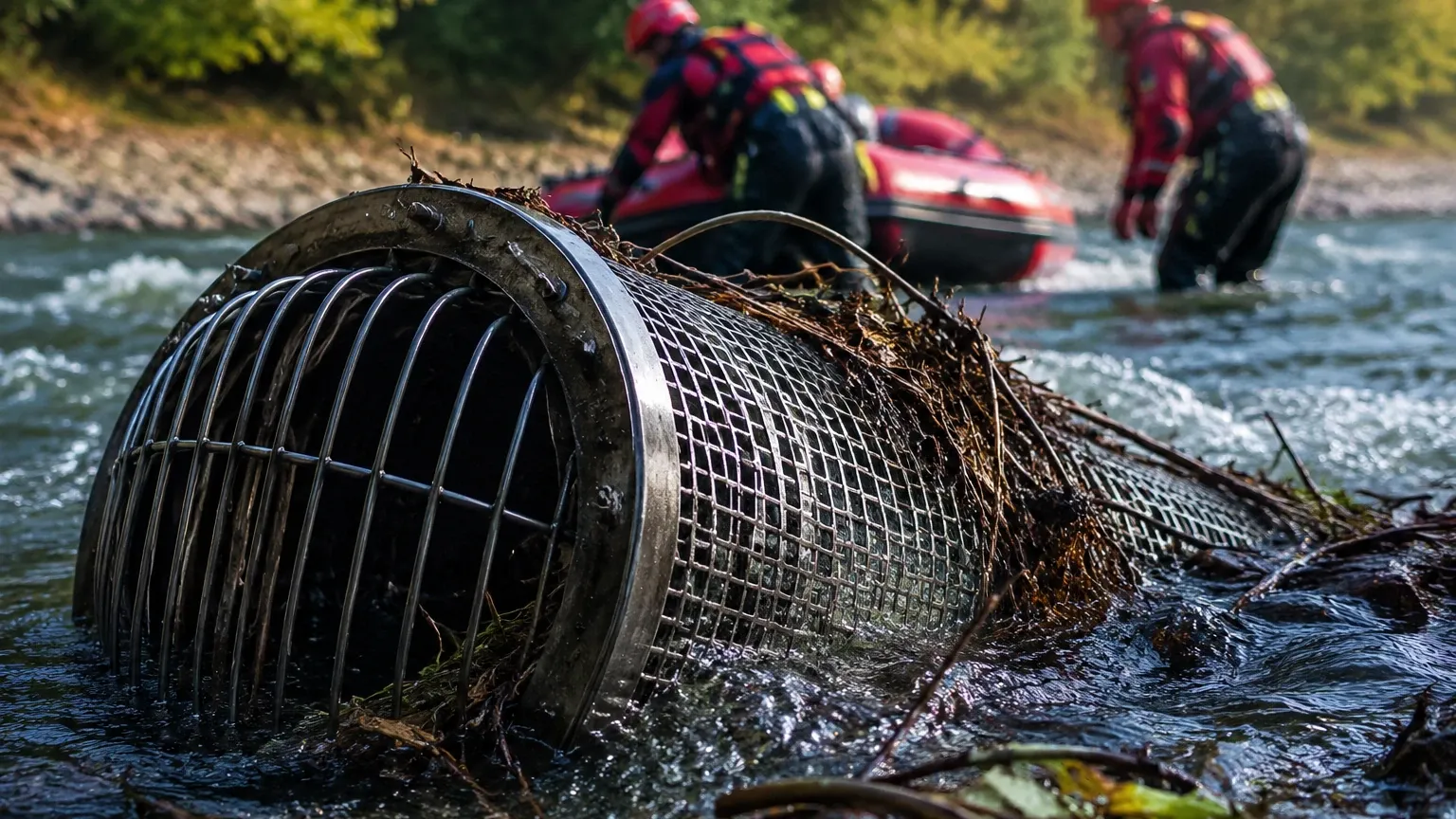
In the specialized field of water rescue and hydraulic engineering, the term "strainer" carries a dual significance. For search and rescue (SAR) teams, a strainer represents one of the most lethal natural hazards found in moving water—an obstruction that allows liquid to pass through while trapping solid objects. Conversely, for the engineers and technical professionals designing the equipment used in these environments, such as high-volume pumps, intake systems, and filtration units, mechanical Strainers & Baskets are critical components that ensure operational reliability and equipment longevity.
Understanding the intersection of fluid dynamics, debris management, and mechanical filtration is essential for developing robust solutions for water treatment, emergency response, and industrial intake applications. This article explores the technical principles of strainers, the engineering requirements for high-performance filtration in demanding aquatic environments, and how precision-manufactured components support critical water management operations.
Understanding Hydraulic Strainers: Principles and Hazards
In hydrological terms, a strainer is formed when an object—typically a fallen tree, a fence, or a pile of debris—becomes lodged in a moving body of water. The physics of a natural strainer are identical to those of an industrial filter: the water pressure forces the fluid through the gaps in the obstruction, but the openings are too small for larger masses to pass.
For water rescue personnel, the danger of a strainer lies in the relentless force of the current. Because the water continues to flow through the object, it creates a high-pressure zone on the upstream side. If a person or piece of equipment becomes pinned against the strainer, the force of the water makes self-extrication nearly impossible.
From an engineering perspective, this phenomenon illustrates the importance of the "Open Area Ratio" (OAR). In industrial Strainers & Baskets, the OAR determines the efficiency of the flow and the rate of pressure drop across the filter media. When designing filtration systems for water rescue equipment or industrial intakes, engineers must calculate the optimal balance between mesh density (to trap debris) and open area (to prevent excessive pressure build-up and potential structural failure).
Engineering Durable Strainers & Baskets for Emergency Water Intake
When water rescue operations involve the use of high-capacity pumps—whether for dewatering flooded areas or providing water for fire suppression—the intake system must be protected by a mechanical strainer. These components, often referred to as suction strainers or basket strainers, are the first line of defense for expensive pumping equipment.
Protecting Pump Internals
Centrifugal pumps used in water rescue and industrial applications are highly sensitive to particulate matter. Large debris, such as gravel, woody material, or trash, can cause catastrophic failure of the impeller or clog the internal volute. A precision-engineered basket strainer ensures that only particles below a specific micron rating enter the system.
Low-Profile and Floating Designs
In shallow water rescue scenarios, standard cylindrical strainers may draw in air, leading to pump cavitation. Engineers often specify low-profile or "box" strainers that can operate in just a few inches of water. These designs require a high surface area to maintain flow rates while minimizing the risk of vortex formation. For deeper water applications, floating strainers are used to draw water from the surface, avoiding the heavy silt and bed load found at the bottom of a river or basin.
Material Selection for Harsh Aquatic Environments
Equipment used in water rescue and industrial water treatment is frequently exposed to corrosive environments, including brackish water, chemical runoff, and extreme weather conditions. Material selection is therefore a primary concern for engineering teams.
1. Stainless Steel 304: The industry standard for general industrial applications. It provides excellent strength and good corrosion resistance for freshwater environments.
2. Stainless Steel 316/316L: Specified for marine environments or applications involving corrosive chemicals. The addition of molybdenum enhances resistance to pitting and crevice corrosion in chloride-rich environments.
3. Specialty Alloys: In highly specialized rescue equipment or chemical processing, alloys like Monel or Hastelloy may be required to withstand aggressive pH levels or high temperatures.
Kaifil specializes in the fabrication of custom stainless steel filtration solutions, ensuring that every basket and strainer is built to withstand the mechanical stresses of high-velocity water flow while resisting the long-term effects of oxidation and chemical exposure.
Technical Specifications for High-Flow Filtration Efficiency
When selecting or designing Strainers & Baskets for water management, several technical parameters must be evaluated to ensure the component meets the application's demands.
Micron Rating and Mesh Count
The micron rating defines the size of the smallest particle the strainer will retain. In water rescue and raw water intake, the goal is typically to remove "macro-debris" rather than fine silt. Therefore, mesh counts are generally lower, and the wire diameter is thicker to provide structural integrity against the impact of large objects.
Pressure Drop (Delta P)
As a strainer collects debris, the resistance to flow increases, leading to a pressure drop. If the pressure drop becomes too high, it can starve a pump of fluid (leading to cavitation) or cause the strainer basket to collapse. Engineering teams must confirm the "clean pressure drop" and establish a maintenance schedule based on the "dirty pressure drop" limits.
Flow Velocity and Turbulence
High-velocity currents, such as those found in swift-water rescue scenarios or industrial discharge pipes, exert significant kinetic energy on the strainer assembly. The housing and the internal basket must be reinforced to prevent vibration-induced fatigue and structural deformation.
Customization and Maintenance for Industrial Reliability
No two water management challenges are identical. While off-the-shelf strainers may suffice for standard plumbing, specialized industrial and emergency applications often require customized designs.
OEM and Customized Designs
Customization allows engineers to specify the exact dimensions, connection types (flanged, NPT, or quick-connect), and reinforcement structures needed for a specific environment. For example, a strainer used in a water rescue vehicle may need to be lightweight yet capable of handling 1,500 GPM (gallons per minute). Kaifil’s manufacturing capabilities allow for the development of bespoke filtration components that integrate seamlessly into existing hardware.
Maintenance and Replacement Cycles
In the context of water rescue, equipment must be ready for immediate deployment. This requires strainers that are easy to inspect and clean. Quick-release covers and swing-bolt closures are common features in industrial basket strainers that facilitate rapid debris removal.
For technical professionals, establishing a replacement cycle is vital. Even high-grade stainless steel components will eventually show signs of wear, especially in high-abrasion environments where sand and grit are constantly passing through the mesh. Regular inspection for wire breakage, mesh blinding, and gasket integrity is essential for maintaining system safety.
The Role of Precision Filtration in Safety and Performance
Whether the goal is to navigate the hazards of natural strainers in water rescue or to implement mechanical strainers in an industrial process, the underlying principle remains the same: the controlled separation of solids from liquids.
For purchasing teams and engineers, the selection of Strainers & Baskets is a decision that impacts the entire system's reliability. A poorly designed strainer can lead to pump failure, increased downtime, and, in emergency scenarios, the inability to perform life-saving operations. By focusing on high-quality materials, precise manufacturing tolerances, and application-specific designs, organizations can ensure that their water management systems perform optimally under pressure.
As a professional manufacturer, Kaifil provides the technical expertise and manufacturing depth required to produce reliable filtration solutions. From material selection to the final quality control of the mesh weave, every step is aimed at delivering a product that meets the rigorous demands of industrial and emergency water applications. When the integrity of your equipment and the success of your operation depend on clean, controlled water flow, choosing the right filtration partner is the most critical step in the engineering process.
