


Strainers on River
River water serves as a critical resource for various industrial processes, including cooling systems, power generation, municipal water treatment, and large-scale irrigation. However, utilizing raw river water presents significant engineering challenges due to the presence of suspended solids, organic matter, and seasonal debris. Implementing effective strainers on river intake systems is the first line of defense in protecting downstream infrastructure such as pumps, heat exchangers, and sensitive filtration membranes.
Selecting the appropriate Strainers & Baskets requires a deep understanding of fluid dynamics, material science, and the specific environmental conditions of the water source. This guide examines the technical considerations, design parameters, and maintenance requirements for river-based filtration systems.
Technical Challenges of River Water Intake
Unlike controlled industrial fluids, river water is a highly variable medium. The debris profile changes based on geography, weather events, and seasonal cycles. Engineers must account for several types of contaminants when designing strainers on river systems:
1. Macro-Debris: Large objects such as branches, leaves, plastic waste, and stones can cause immediate mechanical damage to pump impellers or completely block intake pipes.
2. Suspended Solids: Silt, sand, and grit can be highly abrasive. If not removed early, these particles cause premature wear on seals and valves.
3. Biological Growth: Algae, zebra mussels, and other aquatic organisms can colonize the internal surfaces of filtration components, leading to biofouling and restricted flow.
4. Seasonal Fluctuations: During spring runoffs or heavy rain events, the concentration of organic matter increases significantly. A strainer system designed only for "average" conditions will likely fail during these peak loading periods.
To mitigate these risks, the filtration system must be robust enough to handle high-impact debris while maintaining a consistent flow rate to the facility.
Engineering Parameters for Strainer Design
When specifying Strainers & Baskets for river applications, several engineering metrics dictate the performance and reliability of the installation.
Open Area Ratio (OAR)
The Open Area Ratio is the relationship between the total area of the openings in the strainer element and the internal cross-sectional area of the inlet pipe. For river applications where the debris load is high, a higher OAR is essential. While a standard industrial strainer might use a 4:1 ratio, river intake strainers often require a 6:1 or even 8:1 ratio. This ensures that even as the mesh begins to collect debris, the pressure drop across the unit remains within acceptable limits, preventing pump cavitation.
Pressure Drop (Delta P)
The clean pressure drop is the initial resistance to flow caused by the strainer. Engineers must calculate the maximum allowable pressure drop before cleaning is required. In river systems, the rate of pressure increase can be rapid during storm events. Monitoring this via differential pressure sensors is a standard requirement for automated systems.
Filtration Accuracy (Micron Rating)
Choosing the right mesh size is a balance between protection and maintenance frequency. If the mesh is too fine, the strainer will clog almost instantly with silt. If it is too coarse, it may allow particles through that damage downstream equipment. Often, a multi-stage approach is used: a coarse bar screen or trash rack followed by a finer basket strainer.
Material Selection for Longevity
The environment of a river—often involving varying pH levels, dissolved oxygen, and abrasive sediments—demands high-performance materials. Stainless steel is the industry standard for these applications due to its mechanical strength and corrosion resistance.
* Grade 304 Stainless Steel: Suitable for many freshwater river applications where corrosion levels are low to moderate.
* Grade 316/316L Stainless Steel: Preferred for brackish water or rivers with high industrial chemical runoff. The addition of molybdenum provides superior resistance to pitting and crevice corrosion.
* Duplex Stainless Steel: In highly aggressive environments or where high structural strength is required for large-scale intake screens, duplex alloys offer enhanced resistance to stress corrosion cracking.
Beyond the alloy type, the physical construction of the mesh—whether it is woven wire, perforated plate, or wedge wire—impacts the durability of the strainer. Wedge wire, in particular, is favored for strainers on river intakes because its V-shaped profile is less prone to "plugging" or "blinding" by near-sized particles.
Common Types of Strainers in River Systems
Depending on the flow requirements and the level of automation desired, different strainer configurations are utilized.
Simplex Basket Strainers
These are used in batch processes or systems where the flow can be temporarily halted for manual cleaning. They feature a single basket that is removed and washed. In river applications, these are usually reserved for secondary filtration stages where the bulk of the debris has already been removed.
Duplex Basket Strainers
For continuous industrial processes that cannot be shut down, duplex strainers are essential. They consist of two separate strainer chambers connected by a diverting valve. When one side becomes clogged, the flow is diverted to the clean side, allowing the operator to service the first basket without interrupting the process.
T-Type and Y-Type Strainers
These are typically used for smaller diameter pipes or where space is limited. While they offer a smaller debris-holding capacity than basket strainers, they are effective for protecting specific sensitive components like flow meters or control valves further down the line from the main intake.
Custom Intake Screens
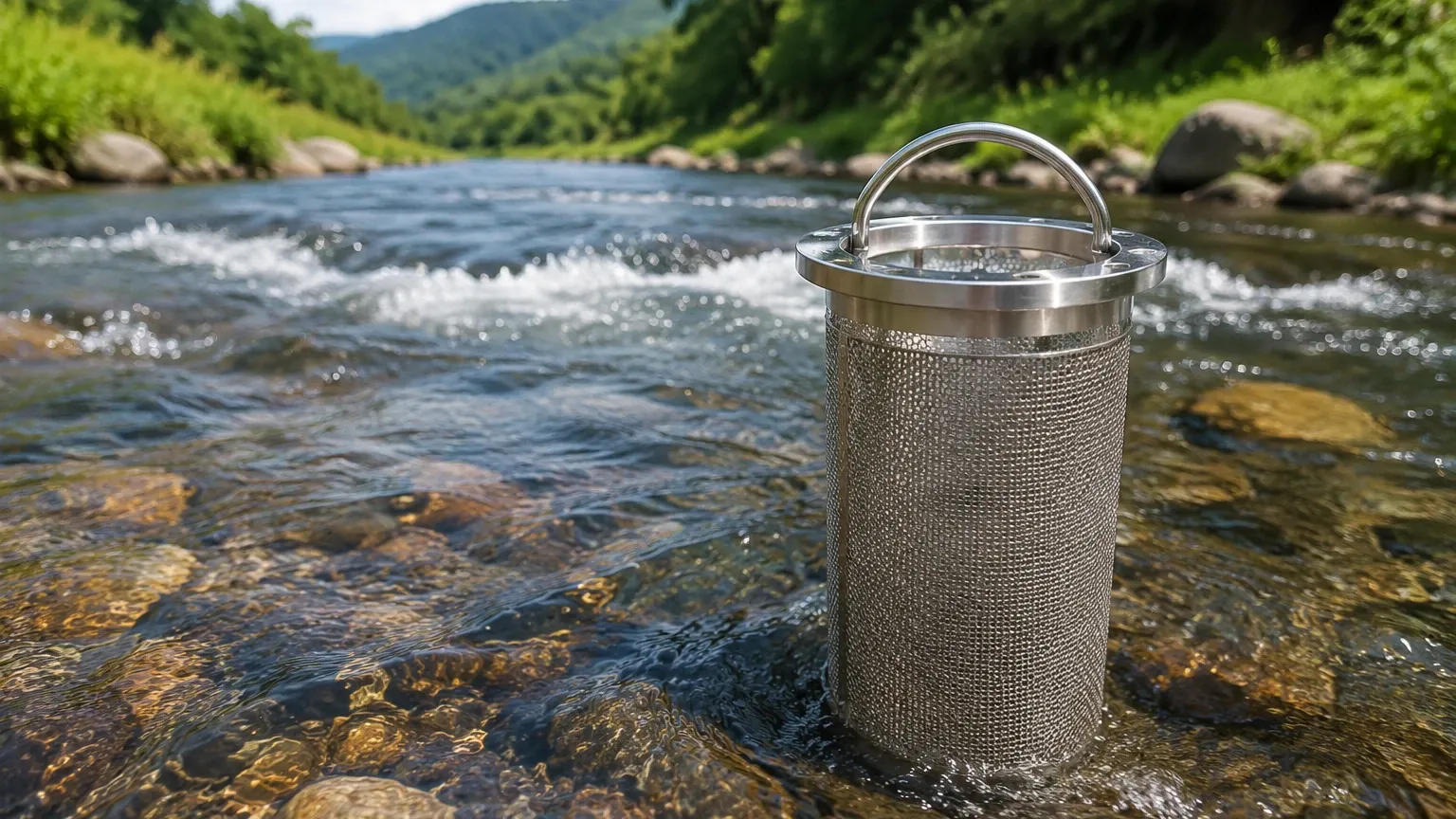
For the primary intake point directly in the river, custom-engineered screens are often required. These may include passive intake screens designed to protect aquatic life (meeting EHS regulations) while effectively filtering out large debris. These often utilize wedge wire technology to provide a high open area and low intake velocity.
Mitigating Biofouling and Clogging
One of the most persistent issues with strainers on river systems is biological growth. Zebra mussels, for instance, can attach to the interior of the strainer housing and the mesh itself, eventually solidifying into a mass that is difficult to remove.
To combat this, engineers may specify:
* Specialty Coatings: Non-stick or copper-based coatings that discourage biological attachment.
* Backwashing Mechanisms: Automatic self-cleaning strainers use a portion of the filtered fluid to back-flush the mesh, dislodging debris and organic buildup without manual intervention.
* Chemical Dosing: In some systems, biocides are introduced at the intake point, though this is strictly regulated to prevent environmental contamination of the river.
Maintenance and Total Cost of Ownership
While the initial purchase price of Strainers & Baskets is a factor, the total cost of ownership (TCO) is heavily influenced by maintenance requirements and the cost of downtime. A poorly specified strainer that requires daily manual cleaning can quickly become more expensive than a high-quality, self-cleaning system.
Maintenance teams should establish a clear inspection schedule. For river-based systems, this includes checking for:
* Erosion of the Mesh: High-velocity silt can eventually thin the wires of a mesh, leading to a structural failure.
* Gasket Integrity: Frequent opening of the strainer housing for cleaning can wear out seals, leading to leaks.
* Structural Deformation: Large debris impacts during flood stages can dent or crush strainer baskets if they are not designed with sufficient mechanical reinforcement.
Selection Criteria for Engineers
Before purchasing or specifying a strainer for a river-based application, engineers should confirm the following data points with the manufacturer:
1. Maximum and Minimum Flow Rates: To ensure the strainer operates within its design velocity.
2. Debris Loading Characteristics: Is the debris primarily organic (leaves/algae) or inorganic (sand/gravel)?
3. Available Footprint: River intake structures often have limited space, requiring compact or custom-oriented designs.
4. Regulatory Compliance: Ensure the intake design meets local environmental standards regarding fish protection and water velocity.
5. Customization Requirements: Standard off-the-shelf units may not fit existing flange configurations or specialized mounting needs.
By addressing these factors during the design phase, industrial operators can ensure that their river water intake system remains reliable, efficient, and capable of protecting the facility's most critical assets. High-quality Strainers & Baskets are not just components; they are essential insurance against the unpredictable nature of raw river water.
