


Y Strainers Suppliers South Africa
In the industrial landscape of South Africa, where sectors such as mining, water treatment, chemical processing, and food production drive the economy, the reliability of piping systems is paramount. One of the most critical yet often overlooked components in these systems is the Y strainer. For engineers and procurement specialists searching for y strainers suppliers south africa, the challenge lies not just in finding a vendor, but in identifying a partner capable of providing high-performance filtration solutions that meet specific technical demands.
Protecting expensive downstream equipment—such as pumps, valves, and meters—from particulate damage requires a deep understanding of strainer design, material compatibility, and filtration accuracy. This guide examines the technical considerations for selecting Strainers & Baskets and evaluating suppliers to ensure long-term operational efficiency.
The Role of Y Strainers in Industrial Piping Systems
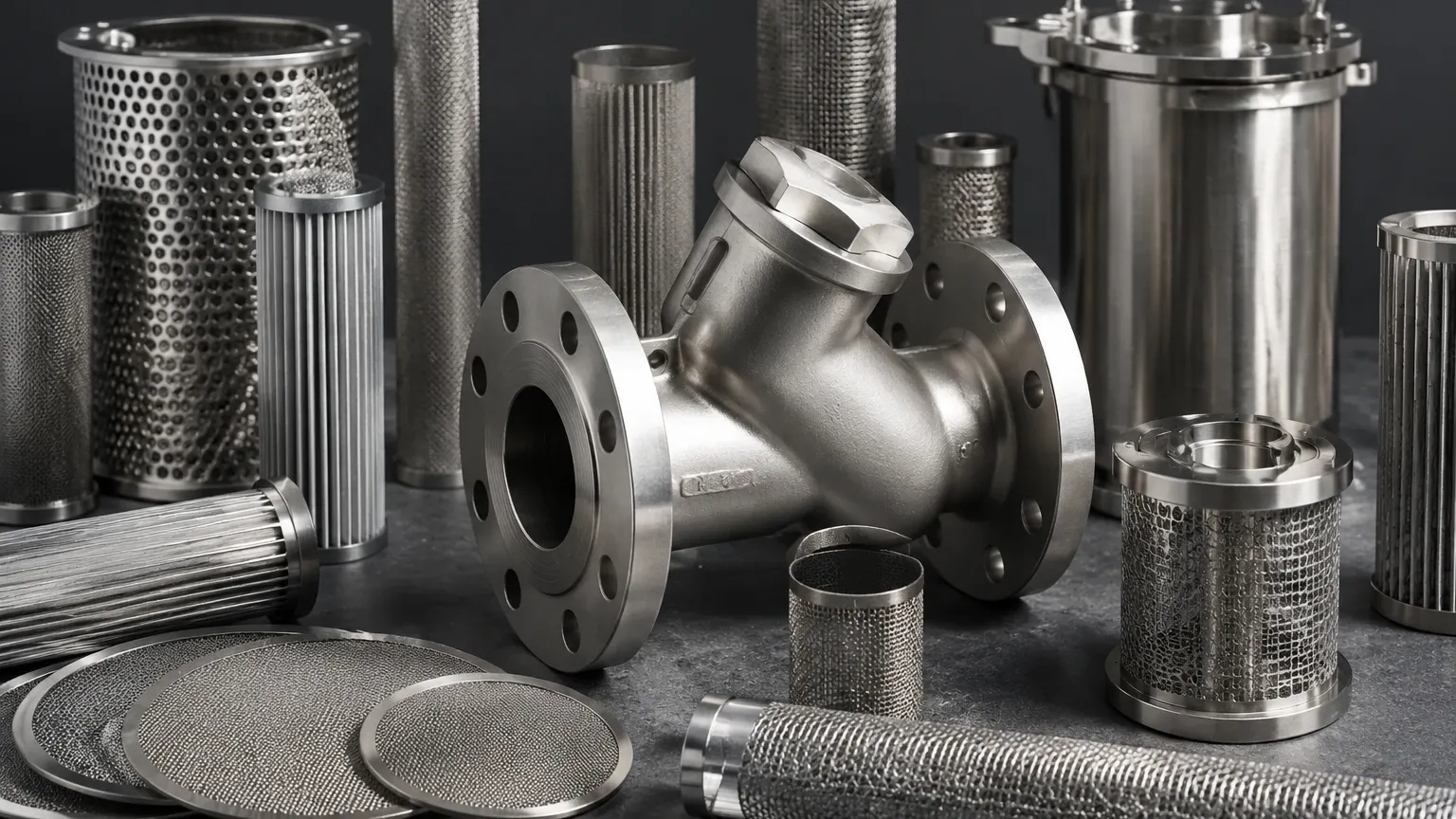
A Y strainer is a mechanical device used to remove unwanted solids from liquid, gas, or steam lines by means of a perforated or wire mesh straining element. The "Y" shape allows the strainer to be installed in either a horizontal or vertical (downward flow) orientation, making it a versatile choice for compact piping layouts common in South African industrial plants.
The primary function of these components is the protection of mechanical equipment. In mining operations, for example, process water often contains abrasive grit that can erode pump impellers. In the food and beverage industry, ensuring the purity of ingredients requires the removal of any scale or debris from the supply lines. By integrating high-quality Y strainers, facilities can significantly reduce maintenance costs and prevent unplanned downtime.
Technical Criteria for Selecting Y Strainers
When evaluating options from various y strainers suppliers south africa, technical professionals must look beyond the initial price point. The performance of a strainer is dictated by its engineering specifications and the quality of its internal components.
Material Selection and Corrosion Resistance
The choice of material is the first line of defense against system failure. While carbon steel may be suitable for some oil and gas applications, stainless steel (typically Grade 304 or 316) is the industry standard for corrosive environments. In South Africa’s coastal regions or in chemical processing plants, 316 stainless steel offers superior resistance to pitting and crevice corrosion.
Kaifil specializes in manufacturing stainless steel filtration components that withstand high-pressure and high-temperature environments. For engineers, confirming the material grade through Material Test Reports (MTRs) is a critical step in the procurement process to ensure the strainer body and the internal mesh can handle the fluid chemistry.
Filtration Accuracy: Mesh vs. Micron
The effectiveness of a Y strainer depends on the straining element. This is usually a perforated metal sheet or a woven wire mesh.
- Perforated Screens: Best for removing larger particles and providing structural strength.
- Wire Mesh: Used for finer filtration requirements.
Suppliers should provide detailed information on the mesh count or micron rating. Selecting a mesh that is too fine can lead to rapid clogging and excessive pressure drops, while a mesh that is too coarse will allow damaging particles to pass through. A balanced approach involves calculating the maximum particle size the downstream equipment can tolerate and selecting a screen slightly finer than that threshold.
Evaluating Y Strainers Suppliers in South Africa
South Africa serves as a hub for industrial supply across the Southern African Development Community (SADC). However, the market is a mix of local distributors, stockists, and international manufacturers. When vetting y strainers suppliers south africa, consider the following evaluation criteria:
1. Technical Support and Engineering Expertise
A reliable supplier should do more than just ship a part number. They should be able to assist with flow rate calculations and pressure drop analysis. If a system experiences a high differential pressure ($ΔP$), the supplier should provide guidance on whether a larger strainer body or a different screen configuration is required.
2. Customization and OEM Capabilities
Standard off-the-shelf Y strainers do not always fit the unique requirements of specialized machinery. Many South African mining and industrial projects require custom flange ratings (such as SANS 1123 or ASME B16.5), non-standard dimensions, or specific mesh linings. Suppliers with OEM capabilities, like Kaifil, can develop bespoke filtration components that integrate seamlessly into existing infrastructure.
3. Quality Assurance and Certification
In high-pressure applications, the integrity of the strainer housing is a safety concern. Engineers should verify that the supplier adheres to international standards such as ISO 9001 and that the products undergo rigorous pressure testing. For the pharmaceutical and food industries, compliance with hygienic standards is non-negotiable.
Engineering Considerations: Pressure Drop and Flow Area
One of the most common mistakes in strainer selection is undersizing the unit based on the pipe size rather than the flow requirements. A Y strainer introduces a restriction in the flow path, which inherently causes a pressure drop.
The Open Area Ratio
The ratio of the total open area of the strainer screen to the internal cross-sectional area of the inlet pipe is a key performance indicator. A higher ratio (typically 4:1 or higher) ensures that the strainer can accumulate a significant amount of debris before the pressure drop becomes critical. This extends the service interval and protects the system from cavitation or flow starvation.
When discussing requirements with y strainers suppliers south africa, ask for the Cv (flow coefficient) values of their products. This data allows engineers to model the system's performance accurately and ensure that the pump head is sufficient to overcome the resistance provided by the strainer.
Maintenance and Total Cost of Ownership
The initial purchase price of a Y strainer is often a fraction of its total cost over its operational life. High-quality Strainers & Baskets are designed for ease of maintenance, which directly impacts labor costs and downtime.
Blow-off Connections
Most industrial Y strainers feature a blow-off port in the cover. By installing a blow-off valve, operators can flush out accumulated debris without stopping the flow or dismantling the strainer. This is particularly useful in systems with high levels of sediment. Suppliers should offer various cover options, including bolted covers for high-pressure safety or quick-opening covers for applications requiring frequent manual cleaning.
Replacement Cycles
The durability of the internal mesh is vital. Inexpensive strainers often use thin mesh that can collapse under high differential pressure. Investing in reinforced screens or high-grade stainless steel components from a reputable manufacturer ensures that the internal elements do not become a source of contamination themselves through breakage.
Sourcing Strategy: Local vs. Global Manufacturers
While local stockists in South Africa provide the advantage of immediate availability for standard sizes, global manufacturers like Kaifil offer technical depth and customization that are essential for complex projects. Many South African firms adopt a hybrid sourcing strategy: maintaining a stock of standard units for emergency repairs while partnering with specialized manufacturers for large-scale projects or custom filtration needs.
When sourcing internationally, it is important to confirm that the manufacturer understands the local standards used in South Africa. Whether the project follows British, European, or American piping standards, the supplier must be able to provide compatible connections and documentation.
Conclusion: Making an Informed Decision
Selecting the right Y strainer is a critical decision for the health of any industrial fluid system. For those navigating the options provided by y strainers suppliers south africa, the focus should remain on technical excellence, material integrity, and the supplier's ability to support the specific engineering challenges of the application.
By prioritizing factors such as the open area ratio, stainless steel grade, and the availability of custom OEM solutions, procurement teams can ensure they are not just buying a component, but investing in the long-term reliability of their plant. Whether you are upgrading a water treatment facility in Gauteng or maintaining a chemical plant in KwaZulu-Natal, the right filtration partner will provide the technical clarity needed to optimize performance and minimize costs.
For engineers seeking detailed specifications or custom-engineered solutions, reviewing the available range of Strainers & Baskets is the recommended next step to ensure your filtration system meets the highest industrial standards.
